The Dialectical Relationship Between Emotion and Rationality | Jingjia Chen | TEDxNFLS Xianlin Youth
TL;DR
The interplay of emotion and reason shapes human actions and beliefs, influencing moral decisions and social behaviors.
Transcript
hi everyone before I start let's have a look at this picture what are you thinking about when looking at it the river seems very dirty smelly and what if I tell you people will burn bodies beside the river and sure remains into it I guess your answers May the same like mine at first I saw the river was disgusting however my SS have changed soon las... Read More
Key Insights
- 🙈 Perceptions can change significantly when cultural and emotional contexts are understood, as seen with the river in Nepal.
- 🖐️ Emotion plays a fundamental role in shaping human actions, often driving decisions where reason may suggest otherwise.
- 🫒 Societal attitudes towards animals can reflect emotional beliefs, such as the equality of all living beings, influencing behaviors towards homelessness and compassion.
- ✊ Heroic actions often stem from emotional impulses that challenge traditional rational self-preservation instincts, showcasing the power of empathy.
- 🥺 Aristotle's insights highlight that true virtue requires a balance of appropriate emotions in ethical considerations, refuting the notion that feelings lead to irrationality.
- 🤩 Self-awareness and emotional acceptance are key to effectively integrating reason and emotion in our daily actions and decisions.
- 🤔 Cultivating critical thinking helps individuals navigate the complexities of emotional and rational influences, leading to more balanced choices.
Install to Summarize YouTube Videos and Get Transcripts
Explore YouTube Video Summarizer or Get YouTube Transcript Extractor
Questions & Answers
Q: What initial impression did the speaker have of the river in Nepal?
The speaker initially viewed the river as disgusting and polluted, noting its dirty and smelly appearance. However, after interacting with local guides and understanding cultural beliefs, the perception shifted to recognizing the river’s significance as a divine entity where locals believe in its purifying abilities, illustrating how context alters perspective.
Q: How does the speaker differentiate between emotion and reason?
The speaker differentiates between emotion and reason by explaining that reason represents logical thinking and analysis, while emotion encompasses feelings that drive ideas and motivations. They argue that while reason can guide behavior, emotions enrich life experiences, making them essential for understanding human actions and decisions.
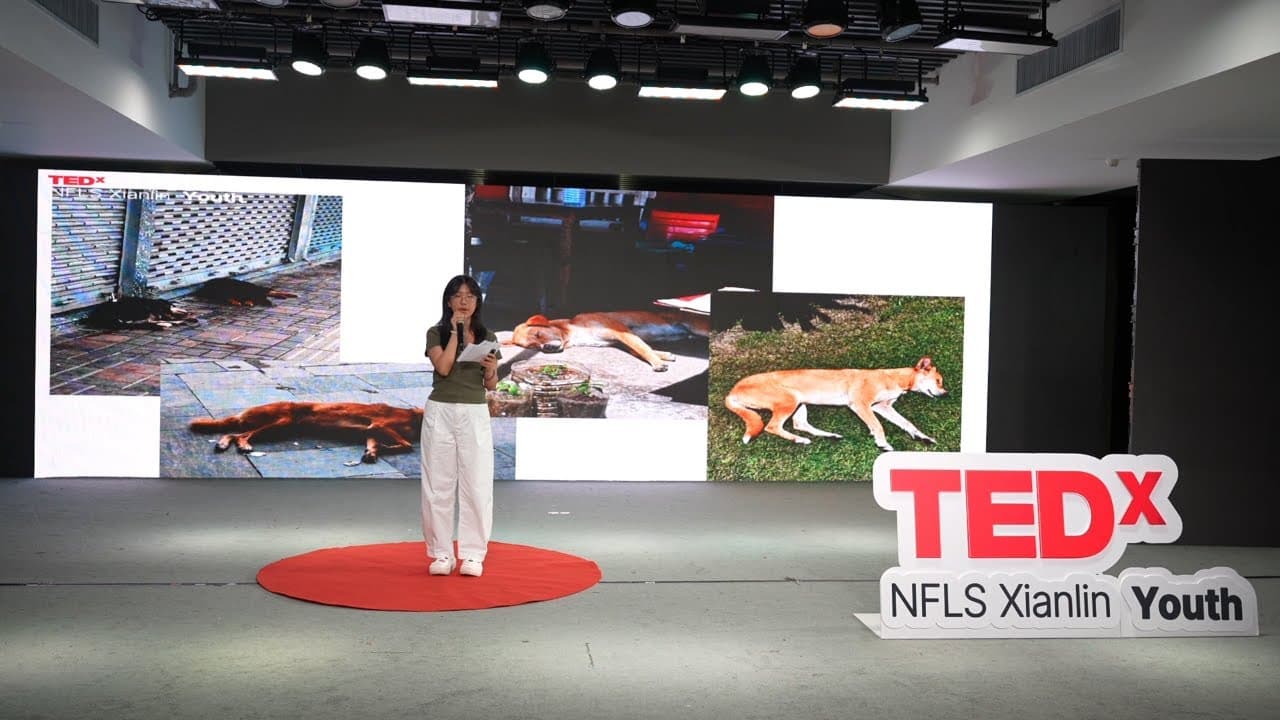
Q: What cultural attitudes did the speaker observe regarding homeless dogs in Nepal?
The speaker noticed that many homeless dogs roamed freely and were treated kindly in Nepal, unlike in China where the subject is controversial. This reflects a cultural belief among Nepalese, primarily influenced by Buddhism, that all beings are equal, fostering empathy and emotional connections that allow dogs to live without significant societal concern.
Q: How does Aristotle view the relationship between emotion and virtue?
Aristotle emphasizes that to be virtuous, one must experience emotions appropriately, feeling the right things at the right times for the right reasons. He argues that courage does not stem from a lack of fear but from feeling an appropriate level of fear, signifying that emotion must align with ethical actions and intentions to cultivate virtue.
Q: What role do emotions play in heroic acts, according to the speech?
The speech suggests that emotions are crucial during heroic acts, as they inspire individuals to take selfless actions even in perilous situations. For instance, the spontaneous decision to save children demonstrated that emotions can override self-preservation instincts, leading to noble outcomes fueled by compassion and a sense of duty.
Q: How does the speaker propose balancing emotion and reason in decision-making?
The speaker proposes enhancing self-awareness and critically managing emotions as a means to balance both facets in decision-making. By reflecting on past actions, accepting emotions, and developing critical thinking skills, individuals can achieve a better understanding of their motivations and the impact of their choices, leading to more informed actions.
Q: Why does the speaker argue that emotion enriches life?
The speaker argues that emotion makes life more meaningful and fulfilling. Rather than relying solely on reason, which can lead to a mundane existence, emotions provide depth and stimulate connections with others, facilitating a richer human experience and more empathetic societal interactions.
Q: What conclusion does the speaker reach about the relationship between emotion and reason?
The conclusion emphasizes that emotion and reason are interdependent and together form the basis of human experience. While reason guides our understanding and decisions, emotion adds richness and beauty to our lives, creating a harmonious balance that enhances our overall well-being and happiness.
Summary & Key Takeaways
-
The narrative begins with a vivid observation of a polluted river in Nepal, highlighting the initial discomfort felt by the observer, which transforms upon learning about the local beliefs associating the river with divinity.
-
The speaker contrasts the roles of emotion and reason in decision-making, suggesting that actions are often driven by a combination of both, challenging the traditional notion that rationality solely governs behavior.
-
Through examples from personal observations in Nepal, including attitudes towards homeless dogs and an act of heroism, the speaker emphasizes that emotions enhance life’s meaning and promote selfless acts, advocating for a balance between emotion and reason.
Read in Other Languages (beta)
Share This Summary 📚
Summarize YouTube Videos and Get Video Transcripts with 1-Click
Try YouTube Summary with ChatGPT & Claude or YouTube Transcript Generator
Explore More Summaries from TEDx Talks 📚

Summarize YouTube Videos and Get Video Transcripts with 1-Click
Try YouTube Summary with ChatGPT & Claude or YouTube Transcript Generator