How To Fix an Economic Crisis
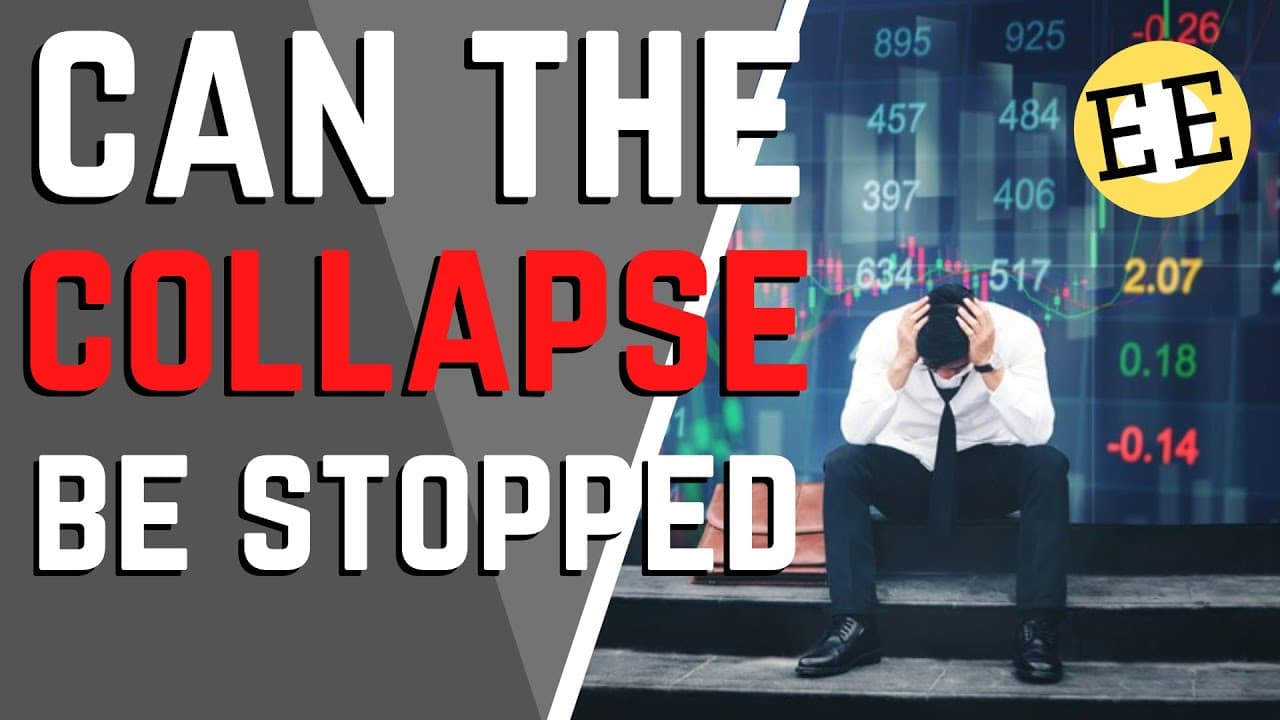
TL;DR
Guide for heads of state to manage economic crises.
Transcript
okay so let's say you find yourself as the head of state of some country during an impending economic crash share markets are down businesses are closing unemployment is rising and everybody is looking to you to provide economic guidance on how to weather this turmoil there is so much to consider every economic downturn is similar but always very d... Read More
Key Insights
- Interest rates are set by central banks to manage inflation and economic growth, and are crucial during downturns.
- Deflation can lead to a vicious cycle of reduced spending, unemployment, and further economic decline.
- Lowering interest rates can encourage consumer spending and borrowing, but the effects may be slow to manifest.
- Fiscal policy allows governments to adjust taxes and spending quickly to stimulate the economy.
- Expansionary fiscal policy involves reducing taxes and increasing government spending to boost economic activity.
- Direct fiscal stimulus, like cash handouts, can have a strong multiplier effect and quickly boost spending.
- Supply-side crises pose unique challenges, as monetary policy is less effective when inflation is already high.
- Moral hazard arises when corporations expect government bailouts, leading to risky financial behavior.
Install to Summarize YouTube Videos and Get Transcripts
Explore YouTube Video Summarizer or Get YouTube Transcript Extractor
Questions & Answers
Q: What role do interest rates play during an economic crisis?
Interest rates, set by central banks, are crucial during economic crises as they influence borrowing and spending. Lowering rates can make credit more accessible, encouraging consumer spending and investment. However, the effects of rate changes can be slow, and may not address immediate supply-side issues.
Q: How does deflation impact the economy during a downturn?
Deflation leads to lower prices, which may seem beneficial, but it causes reduced consumer spending as people expect prices to fall further. This results in decreased business revenue, job losses, and further economic decline, creating a vicious cycle that exacerbates the downturn.
Q: What is the difference between monetary and fiscal policy?
Monetary policy involves central bank actions, like adjusting interest rates, to control inflation and stimulate growth. Fiscal policy, managed by the government, involves changing tax rates and public spending to influence economic activity directly, offering more precise and immediate effects.
Q: How can fiscal policy stimulate economic growth during a crisis?
Fiscal policy stimulates growth by reducing taxes and increasing government spending, which puts more money in consumers' hands and boosts demand. Direct cash transfers and infrastructure projects are common measures, with the former offering quick results and the latter providing long-term benefits.
Q: What challenges do supply-side crises present?
Supply-side crises, where production and distribution are disrupted, challenge traditional demand-side solutions. They can lead to inflation, making monetary policy less effective. Governments must focus on keeping businesses operational and managing inflation without exacerbating supply shortages.
Q: What is moral hazard and how does it affect economic policy?
Moral hazard occurs when companies expect government bailouts, leading to risky behavior. This expectation can undermine financial stability, as firms may not maintain emergency reserves. Policymakers must balance providing essential support with discouraging reckless practices to ensure long-term stability.
Q: Why is infrastructure spending a common fiscal stimulus measure?
Infrastructure spending is favored for its dual benefits: it creates jobs and stimulates demand in the short term while providing valuable assets for long-term economic growth. However, its implementation can be slow, potentially delaying its impact during an immediate crisis.
Q: How can governments address the issue of corporate bailouts?
Governments can address corporate bailouts by ensuring that support measures include conditions that discourage risky behavior, such as limiting executive bonuses and shareholder payouts. They should also focus on maintaining essential services while promoting responsible corporate governance to prevent future crises.
Summary & Key Takeaways
-
Economic crises require strategic use of monetary and fiscal policies to stabilize markets and promote growth. Central banks adjust interest rates to manage inflation and stimulate borrowing, while governments use fiscal measures to influence spending.
-
Deflation and supply-side disruptions present significant challenges, necessitating precise fiscal interventions. Direct cash injections and infrastructure spending can boost demand, although the latter may take time to implement.
-
Addressing corporate moral hazard is critical to prevent reckless financial behavior. Governments must balance supporting essential services with discouraging risky practices, ensuring long-term economic stability.
Read in Other Languages (beta)
Share This Summary 📚
Summarize YouTube Videos and Get Video Transcripts with 1-Click
Try YouTube Summary with ChatGPT & Claude or YouTube Transcript Generator
Explore More Summaries from Economics Explained 📚





Summarize YouTube Videos and Get Video Transcripts with 1-Click
Try YouTube Summary with ChatGPT & Claude or YouTube Transcript Generator