How Are Indigenous Filipino Textiles Made?
TL;DR
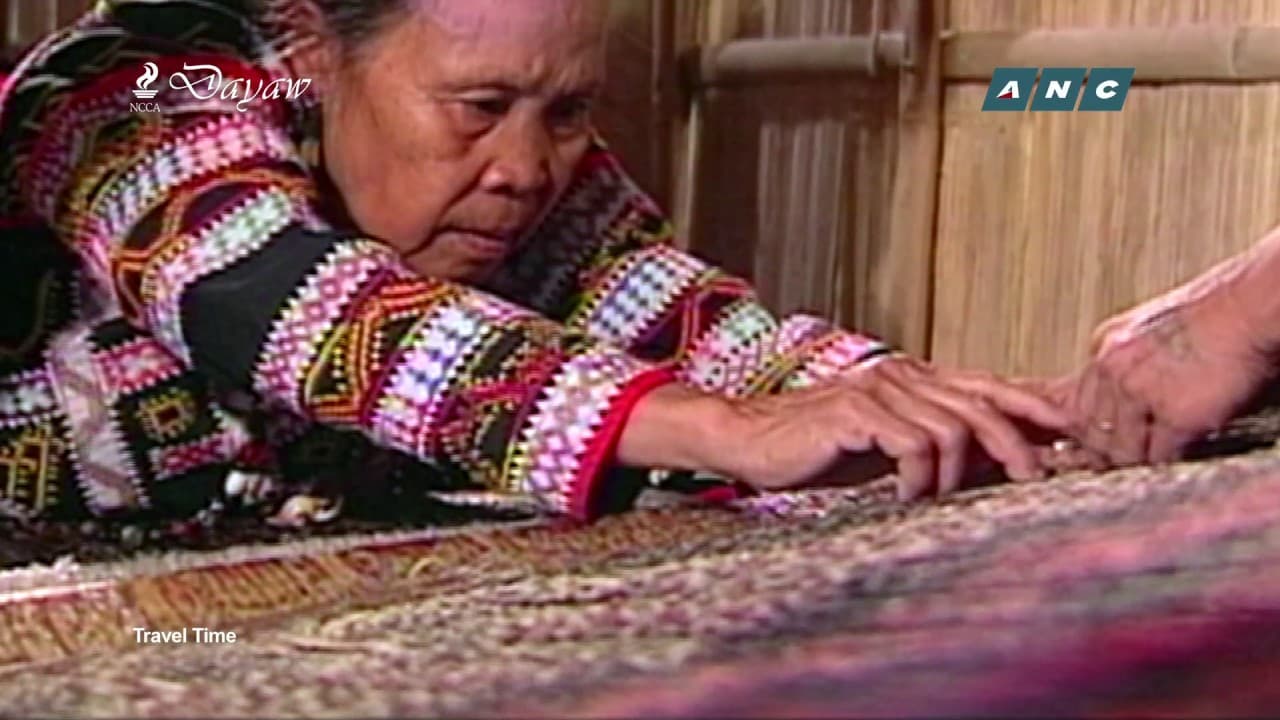
Indigenous Filipino craftsmen use natural materials like abaca, cotton, and pandan to create intricate textiles, baskets, and mats. These crafts are deeply tied to cultural identity and tradition, with techniques and designs passed down through generations. The process involves meticulous preparation and weaving, celebrating the artisans' skill and the cultural significance of their work.
Transcript
from the simplest to the rarest of materials from the barks and fibers of plants to the densest of hardwood from paper and clay and precious metals to that most wondrous substance a mind in Flight expressing itself in a torrent of words these are the materials from which our traditional Artisans and Craftsmen have built solid and grounded Tradition... Read More
Key Insights
- Indigenous Filipino craftsmen use natural fibers like abaca, cotton, and pandan to create textiles, baskets, and mats.
- Abaca fiber is labor-intensive to process and requires precision in weaving to create intricate designs.
- The ikat technique involves tying and dyeing threads before weaving, a method used by many Mindanao cultures.
- Natural dyes are preferred over commercial ones, preserving traditional methods and enhancing cultural authenticity.
- Mat weaving is a widespread tradition in the Philippines, with materials like pandan and buri being commonly used.
- The vakul, a traditional headgear of the Ivatan, is crafted from abaca fibers and serves as protection against rain and sun.
- Respect for nature is integral to the craft, with materials harvested sustainably and the natural appearance preserved.
- Crafts like the banig and palaspas, though often overlooked, play significant roles in daily life and cultural rituals.
Install to Summarize YouTube Videos and Get Transcripts
Explore YouTube Video Summarizer or Get YouTube Transcript Extractor
Questions & Answers
Q: How is abaca fiber used in Filipino weaving?
Abaca fiber, derived from the fibrous sheath of a banana plant, is used in Filipino weaving for its strength and durability. The process involves labor-intensive preparation, where fibers are extracted, cleaned, and dyed before being woven into textiles. The ikat technique, popular among some Mindanao cultures, requires precise tying and dyeing to create intricate patterns, showcasing the weaver's skill.
Q: What is the ikat technique in textile weaving?
The ikat technique is a method of textile weaving where threads are tied and dyed before weaving to create intricate patterns. This technique is used by various cultures, including those in Mindanao, Philippines. It demands high precision in tying the threads and careful dyeing to ensure the patterns emerge correctly during weaving. The resulting textiles are known for their vibrant colors and complex designs.
Q: Why is natural dye preferred in traditional Filipino crafts?
Natural dye is preferred in traditional Filipino crafts because it preserves the authenticity and cultural heritage of the craft. Using natural dyes, derived from plants and other organic sources, ensures that the colors are vibrant yet harmonious with the natural fibers. This practice reflects a deep respect for nature and a commitment to sustainable and environmentally friendly methods, maintaining the cultural integrity of the crafts.
Q: What role do mats play in Filipino culture?
Mats, or banig, play a significant role in Filipino culture as they are used for sleeping, sitting, and various rituals. Made from natural materials like pandan or buri, they are intricately woven and often feature colorful designs. Each region has its unique style and technique, reflecting local traditions and resources. Mats are not just functional items but also embody cultural stories and communal ties.
Q: How is the vakul headgear made and used?
The vakul is a traditional headgear of the Ivatan people, made from abaca fibers. It is crafted by weaving these fibers into a protective covering that shields the wearer from rain and sun. The vakul is a practical item that reflects the Ivatan's ingenuity in using available natural resources to adapt to their environment, providing comfort and protection in varying weather conditions.
Q: What materials are commonly used in Filipino mat weaving?
Filipino mat weaving commonly uses natural materials such as pandan, buri, and rattan. These materials are abundant in the Philippines and are chosen for their durability and flexibility. The weaving process involves stripping, dyeing, and drying the fibers before they are woven into mats. Each region may use different materials based on local availability, resulting in diverse styles and patterns.
Q: How does Filipino craft reflect respect for nature?
Filipino craft reflects respect for nature through the sustainable harvesting of materials and the preservation of their natural appearance. Craftsmen ensure that materials like fibers and leaves are collected without harming the environment, using only what is in excess. The natural look of materials is often maintained, highlighting their origin and promoting ecological balance, thus respecting both nature and cultural traditions.
Q: Why are traditional crafts important to Filipino communities?
Traditional crafts are important to Filipino communities as they embody cultural identity, heritage, and communal ties. These crafts, passed down through generations, preserve traditional knowledge and skills, fostering a sense of pride and continuity. They also serve functional purposes in daily life and rituals, reinforcing cultural narratives and providing economic opportunities for artisans, thus strengthening community resilience and cohesion.
Summary & Key Takeaways
-
Indigenous Filipino artisans utilize natural materials such as abaca, cotton, and pandan to craft textiles, baskets, and mats. These crafts are not only functional but also deeply connected to cultural identity and tradition. Techniques like ikat weaving involve intricate processes of tying, dyeing, and weaving, showcasing the artisans' skill and dedication to preserving cultural heritage.
-
The weaving of fibers into textiles and other items is a vital cultural practice among indigenous Filipino communities. Craftsmen employ traditional techniques, such as the ikat method, to produce complex designs. The use of natural dyes and sustainable harvesting methods reflects a deep respect for nature, with each crafted item embodying cultural stories and artistic expression.
-
Textiles and crafts made by indigenous Filipinos are celebrated for their intricate designs and cultural significance. The process involves meticulous preparation and weaving of natural fibers, with each piece reflecting the artisans' skill and the community's cultural identity. These crafts are more than just functional items; they are a testament to the resilience and creativity of the weavers.
Read in Other Languages (beta)
Share This Summary 📚
Summarize YouTube Videos and Get Video Transcripts with 1-Click
Try YouTube Summary with ChatGPT & Claude or YouTube Transcript Generator
Explore More Summaries from Loren Legarda 📚
Summarize YouTube Videos and Get Video Transcripts with 1-Click
Try YouTube Summary with ChatGPT & Claude or YouTube Transcript Generator