Why is the US Preparing for Conflict with China?
TL;DR
The United States is intensifying preparations for a potential conflict with China, driven by economic and military strategies. This involves increasing military budgets, aligning allies, and conducting war games. The underlying motives include maintaining global dominance as China's economic and technological advancements challenge the current world order.
Transcript
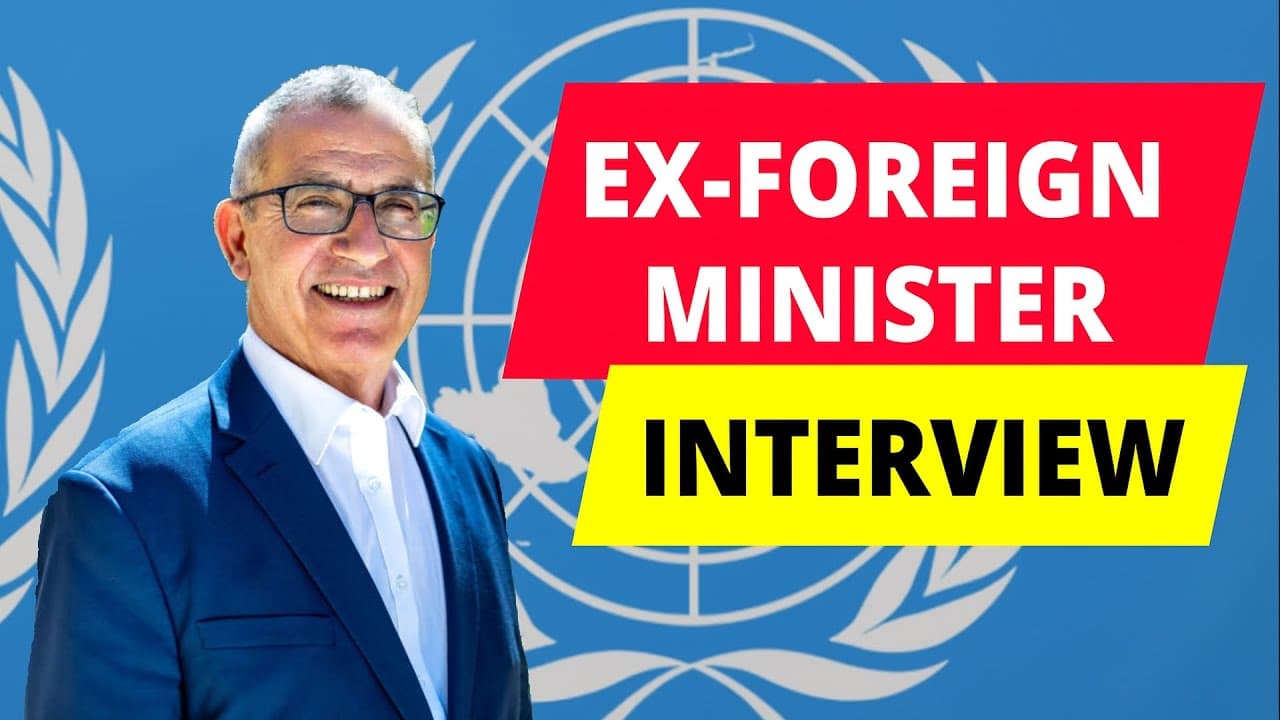
In the last 15 years, the United States more than ever before has lost all its democracy and has become a plutoaucracy. It's the wealthy people who run the United States. It's not Trump. It's not Biden. And and it has made the United States a dysfunctional state and a protocracy. This was Aberist Baralo. Aist was a career diplomat. He was former fo... Read More
Key Insights
- The US is actively increasing military budgets and preparing facilities for potential conflict with China.
- China's economic and technological advancements are seen as a threat to US dominance.
- The West's historical mindset of superiority and control influences its current geopolitical strategies.
- Diplomacy is being overshadowed by military strategies as tensions escalate.
- The concept of 'peace through strength' is critiqued as potentially leading to more conflict.
- China emphasizes its historical 'century of humiliation' to rally national sentiment against foreign dominance.
- Economic decline in the US contrasts with China's growth, fueling tensions.
- The US's internal socio-economic challenges are linked to its external military posturing.
Install to Summarize YouTube Videos and Get Transcripts
Explore YouTube Video Summarizer or Get YouTube Transcript Extractor
Questions & Answers
Q: How is the US preparing for potential conflict with China?
The US is preparing for potential conflict with China by increasing military budgets, aligning allies, and conducting war games. These preparations involve building and upgrading military facilities, training personnel, and enhancing military capabilities in the Asia-Pacific region. The strategy reflects a desire to maintain global dominance amidst China's rising economic and technological power.
Q: What are China's main concerns regarding the US's actions?
China is concerned that the US's military preparations signify an attempt to humiliate and contain its growth, reminiscent of the historical 'century of humiliation.' The presence of numerous US military bases encircling China and the rhetoric of China as an adversary contribute to fears of foreign dominance. China emphasizes its sovereignty and the need to protect its territorial integrity.
Q: Why does the West view China's rise as a threat?
The West views China's rise as a threat due to its rapid economic and technological advancements, which challenge the existing global order dominated by Western powers. China's ability to lift millions out of poverty and its leadership in various technologies highlight its growing influence. This shift threatens the West's historical dominance and prompts strategies to contain China's progress.
Q: How does the concept of 'peace through strength' relate to current US-China tensions?
The concept of 'peace through strength' relates to US-China tensions by advocating for military readiness as a deterrent against conflict. However, this approach is critiqued for potentially escalating tensions rather than fostering genuine peace. The emphasis on military power over diplomatic solutions raises concerns about the likelihood of conflict and the effectiveness of such strategies in achieving lasting peace.
Q: What historical factors influence the US's current geopolitical strategies?
The US's current geopolitical strategies are influenced by a historical mindset of Western superiority and control, rooted in centuries of colonialism and global dominance. This mindset shapes the perception of emerging powers like China as threats to the established order. The legacy of colonialism and the desire to maintain hegemony drive strategies that prioritize military strength over cooperative engagement.
Q: How do internal US socio-economic issues impact its foreign policy?
Internal US socio-economic issues impact its foreign policy by creating a need to project strength externally as a means of addressing domestic challenges. Economic decline, income inequality, and political polarization contribute to a focus on military solutions as a way to unify the nation and distract from internal problems. This dynamic complicates efforts to engage in constructive international relations.
Q: What role does China's 'century of humiliation' play in its current international stance?
China's 'century of humiliation' plays a significant role in its current international stance by serving as a rallying point for national unity and resistance against foreign dominance. This historical narrative emphasizes past injustices and fuels China's determination to protect its sovereignty and assert its place on the global stage. It influences China's approach to international relations and its response to perceived threats.
Q: What are the potential consequences of the US's military posturing towards China?
The potential consequences of the US's military posturing towards China include increased tensions and the risk of conflict escalation. The focus on military solutions over diplomacy may lead to misunderstandings and miscalculations, heightening the likelihood of confrontation. Additionally, this approach could strain alliances, divert resources from domestic needs, and perpetuate a cycle of hostility rather than fostering cooperative global relations.
Summary & Key Takeaways
-
The US is preparing for a potential conflict with China by increasing military budgets and conducting war games. This preparation is driven by the need to maintain global dominance as China's economic and technological growth challenges the current world order. The historical mindset of Western superiority continues to influence geopolitical strategies.
-
Diplomacy is increasingly sidelined in favor of military strategies, raising concerns about the potential for conflict escalation. The US's internal socio-economic issues are intertwined with its external military posturing, as economic decline contrasts with China's growth. The concept of 'peace through strength' is critiqued for potentially leading to more conflict.
-
China's emphasis on its historical 'century of humiliation' serves to rally national sentiment against foreign dominance. The US's approach to international relations is seen as obstructive, aiming to hinder China's progress rather than engage in fair competition. This dynamic is central to understanding the current geopolitical landscape.
Read in Other Languages (beta)
Share This Summary 📚
Summarize YouTube Videos and Get Video Transcripts with 1-Click
Try YouTube Summary with ChatGPT & Claude or YouTube Transcript Generator