How Does Pixar Use the Three Act Structure?
TL;DR
Pixar effectively utilizes the three act structure to craft compelling narratives, dividing stories into setup, confrontation, and resolution. This structure ensures character development and plot progression, creating universally engaging films. By analyzing Pixar's approach, one can understand how this narrative formula supports character arcs and emotional depth, making their movies resonate with audiences.
Transcript
If you didn’t know any better, you could be forgiven for thinking that most movies have wildly differing plots from one another. What does the plot of an action movie have in common with a horror movie, or an animated kids’ movie? But the truth is, there’s actually a secret formula of sorts to what makes almost all Hollywood movies tick. A certain ... Read More
Key Insights
- The three act structure divides a story into setup, confrontation, and resolution.
- Pixar excels at using this structure to create emotionally engaging stories.
- Act 1 introduces the characters, setting, and a flaw in the protagonist's world.
- Act 2 involves the protagonist facing obstacles, often highlighting their flaws.
- The midpoint raises stakes and shifts the protagonist's understanding or goals.
- Act 3 begins with an 'All Is Lost' moment, testing the protagonist's resolve.
- The climax resolves the main conflict through the protagonist's growth.
- The resolution shows the protagonist's world changed, addressing initial flaws.
Install to Summarize YouTube Videos and Get Transcripts
Explore YouTube Video Summarizer or Get YouTube Transcript Extractor
Questions & Answers
Q: How does Pixar use the three act structure?
Pixar uses the three act structure to create engaging narratives by dividing stories into three parts: setup, confrontation, and resolution. This structure allows for detailed character development and plot progression, ensuring that each scene contributes to the overall story arc. Pixar's films often start with an introduction of characters and their world, followed by a series of challenges that highlight character flaws, and conclude with a resolution that shows character growth and a new status quo.
Q: What is the purpose of Act 1 in the three act structure?
Act 1 in the three act structure serves to introduce the characters, setting, and the ordinary world. It establishes the protagonist's status quo and often highlights a flaw or problem in their life that needs to be addressed. This act sets the stage for the main conflict by providing context and background, ensuring that when the inciting incident occurs, the audience understands the significance of the changes and challenges that follow.
Q: What happens during Act 2 of a Pixar movie?
During Act 2 of a Pixar movie, the protagonist faces a series of obstacles that test their character and highlight their flaws. This act is typically the longest and is divided into two parts: the first half (2A) shows the protagonist struggling with new challenges, often using ineffective methods due to their flaws. The midpoint raises the stakes and shifts their understanding or goals, leading to the second half (2B) where they begin to adapt and grow, preparing for the climax.
Q: What is the 'All Is Lost' moment in the three act structure?
The 'All Is Lost' moment in the three act structure occurs in Act 3, before the climax. It's a point where the protagonist faces a significant setback or failure, making it seem like victory is impossible. This moment is crucial as it forces the protagonist to confront their deepest fears or flaws, often leading to a moment of realization or growth. It sets the stage for the protagonist to overcome their challenges in the climax, using their newfound understanding or strength.
Q: How does the climax resolve the story in Pixar films?
In Pixar films, the climax resolves the story by presenting the protagonist with the final and most challenging obstacle. This moment requires the protagonist to apply what they've learned throughout the story, often overcoming their initial flaws or fears. The climax is the peak of the narrative tension and drama, leading to a resolution where the main conflict is resolved, and the protagonist achieves a new understanding or growth, resulting in a changed world or perspective.
Q: What role does character development play in Pixar's storytelling?
Character development is central to Pixar's storytelling, as it ensures that the plot and characters are intricately linked. By focusing on character flaws and growth, Pixar creates emotionally resonant narratives where the audience can connect with the characters' journeys. Each act of the story contributes to the characters' development, with challenges and realizations that lead to personal growth and a satisfying resolution, making the films both engaging and impactful.
Q: Why is the three act structure effective in storytelling?
The three act structure is effective in storytelling because it provides a clear framework for plot and character development. By dividing the story into setup, confrontation, and resolution, it ensures that each scene contributes to the narrative arc, maintaining audience engagement. This structure allows for a balanced progression of events, where characters face challenges, grow, and ultimately resolve their conflicts, creating a satisfying and cohesive story that resonates with audiences.
Q: How can the three act structure be applied to writing?
The three act structure can be applied to writing by using it as a framework to organize the narrative into three distinct parts: setup, confrontation, and resolution. Writers can begin by establishing the characters and their world, introducing a central conflict that disrupts the status quo. The protagonist then faces escalating challenges, leading to a climax where they confront their main obstacle. The story concludes with a resolution that shows character growth and a new equilibrium, ensuring a cohesive and engaging narrative.
Summary & Key Takeaways
-
Pixar's mastery of the three act structure involves a setup where characters and conflicts are introduced, a confrontation where characters face challenges, and a resolution where conflicts are resolved and characters evolve. This structure supports character development, making Pixar films emotionally resonant.
-
The three act structure is a fundamental narrative tool, dividing stories into three parts: setup, confrontation, and resolution. Pixar uses this structure to ensure every scene contributes to character growth, creating cohesive and compelling narratives.
-
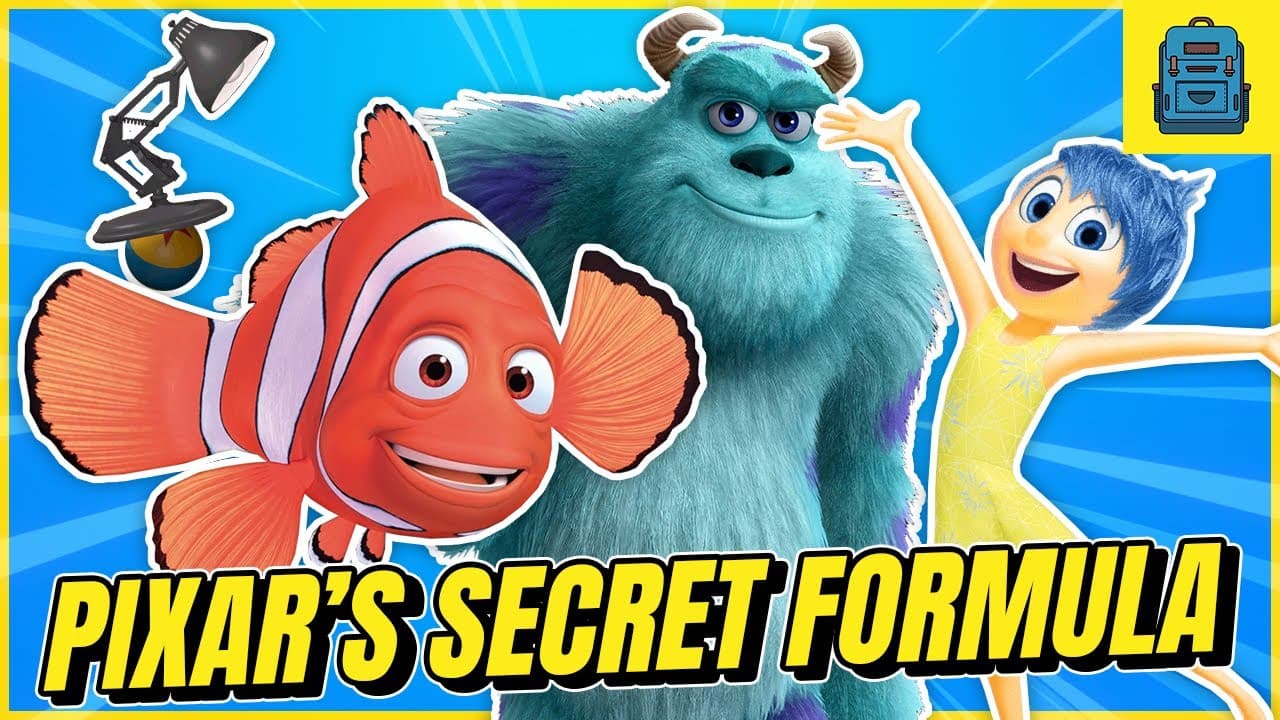
By analyzing films like Finding Nemo and Inside Out, we see how Pixar applies the three act structure to explore character flaws and drive emotional storytelling. This method ensures that plot and character development are intricately linked, making their films impactful.
Read in Other Languages (beta)
Share This Summary 📚
Summarize YouTube Videos and Get Video Transcripts with 1-Click
Try YouTube Summary with ChatGPT & Claude or YouTube Transcript Generator