How Do Thin Films Create Colorful Rainbow Patterns?
TL;DR
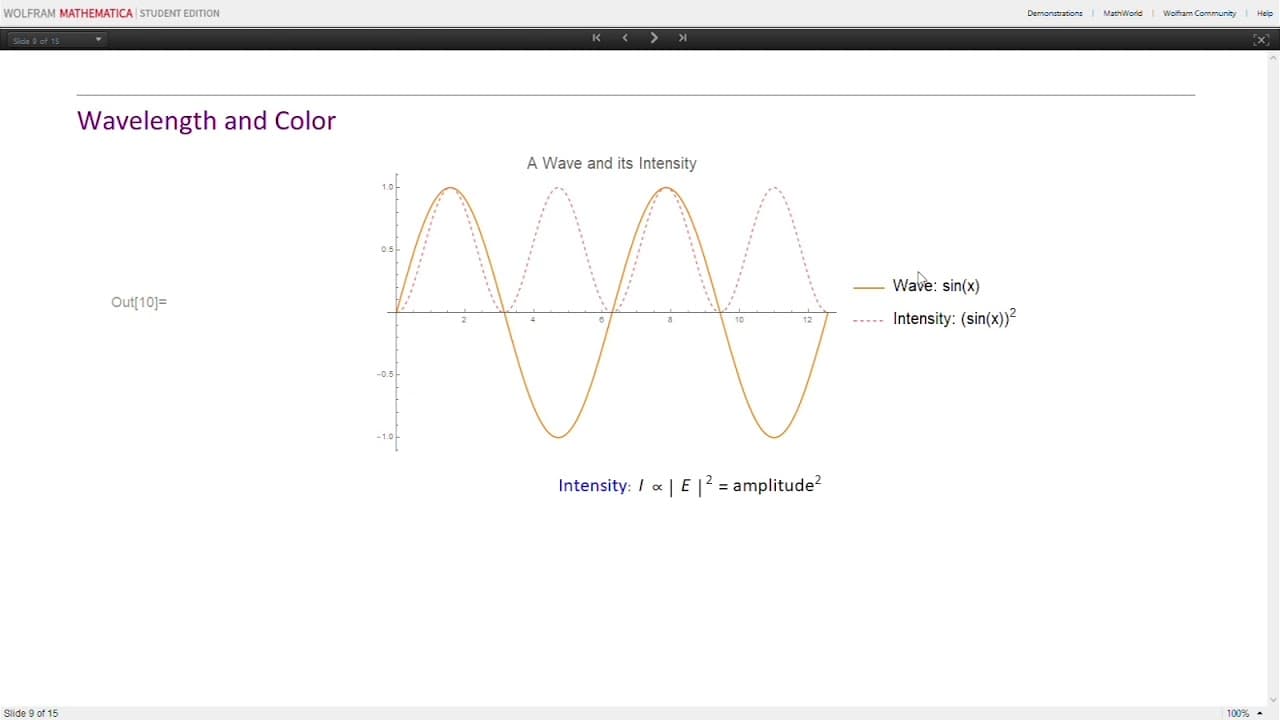
Thin films create colorful patterns, called rainbows, through light wave interference. When light reflects off the surfaces of thin films, the waves can interfere constructively or destructively, depending on their phase shifts. Snell's law explains how different materials affect light behavior, contributing to the vibrant colors seen in soap bubbles and oil puddles.
Transcript
STUDENT: Rainbows-- while we may not notice them, there are rainbows all around us as we go about our daily lives. They are hidden in the reflection of soap bubbles, the shine on a CD, and even in oily puddles on the street. In this video, we'll explore the phenomenon of light wave interference and how it creates the colors we see on the surfaces o... Read More
Key Insights
- 🙂 Light wave interference creates colorful patterns on the surfaces of thin films, such as soap bubbles and oil puddles.
- 🙂 Snell's law of refraction helps explain how light waves behave when traveling through different mediums.
- 👋 The phase shift between waves determines whether interference is destructive or constructive.
Install to Summarize YouTube Videos and Get Transcripts
Explore YouTube Video Summarizer or Get YouTube Transcript Extractor
Questions & Answers
Q: Why do soap bubbles and oil puddles have iridescence?
Soap bubbles and oil puddles are usually colorless, but when light waves reflect and interfere with each other on their surfaces, they create colorful patterns due to the phenomenon of light wave interference.
Q: What determines whether interference is destructive or constructive?
The phase shift between two waves determines whether interference is destructive or constructive. When the phase shift is approximately 180 degrees or a multiple of 2 pi radians, the waves cancel each other out, resulting in destructive interference. When the phase shift aligns perfectly, the waves combine to create constructive interference.
Q: How does Snell's law of refraction relate to thin films?
Snell's law of refraction states that the angle of light through different mediums is proportional to their velocities and inversely proportional to their refractive indices. For thin films, the equation can be rearranged to represent the refractive index of the film in terms of incident light angles and the refractive index of the thin film.
Q: How does changing the thickness, refractive index, incident angle, or wavelength affect the colors reflected off a thin film?
Changing these parameters alters the resulting wave that reflects back from the film. Different thicknesses result in shifts between reddish, greenish, and bluish colors. Varying the angle produces a more gradual gradient of colors. The wavelength affects the specific colors perceived because the human eye can only perceive three primary colors: red, green, and blue.
Summary & Key Takeaways
-
Rainbows can be found in everyday objects like soap bubbles and oil puddles, and this video explains why.
-
Light waves reflect and refract when they hit a surface, resulting in interference that can be destructive or constructive.
-
Snell's law of refraction and equations involving the refractive index and path difference help explain the phenomenon.
Read in Other Languages (beta)
Share This Summary 📚
Summarize YouTube Videos and Get Video Transcripts with 1-Click
Try YouTube Summary with ChatGPT & Claude or YouTube Transcript Generator
Explore More Summaries from MIT OpenCourseWare 📚


Summarize YouTube Videos and Get Video Transcripts with 1-Click
Try YouTube Summary with ChatGPT & Claude or YouTube Transcript Generator