How to Use ESP for Oil Well Lift in Prosper
TL;DR
Electrical submersible pumps (ESP) are used to artificially lift oil from wells with reduced pressure. By analyzing reservoir data and adjusting parameters like casing diameter and pump type, production can be optimized even with high water cut and varying pressures. Sensitivity analysis helps determine optimal operating conditions.
Transcript
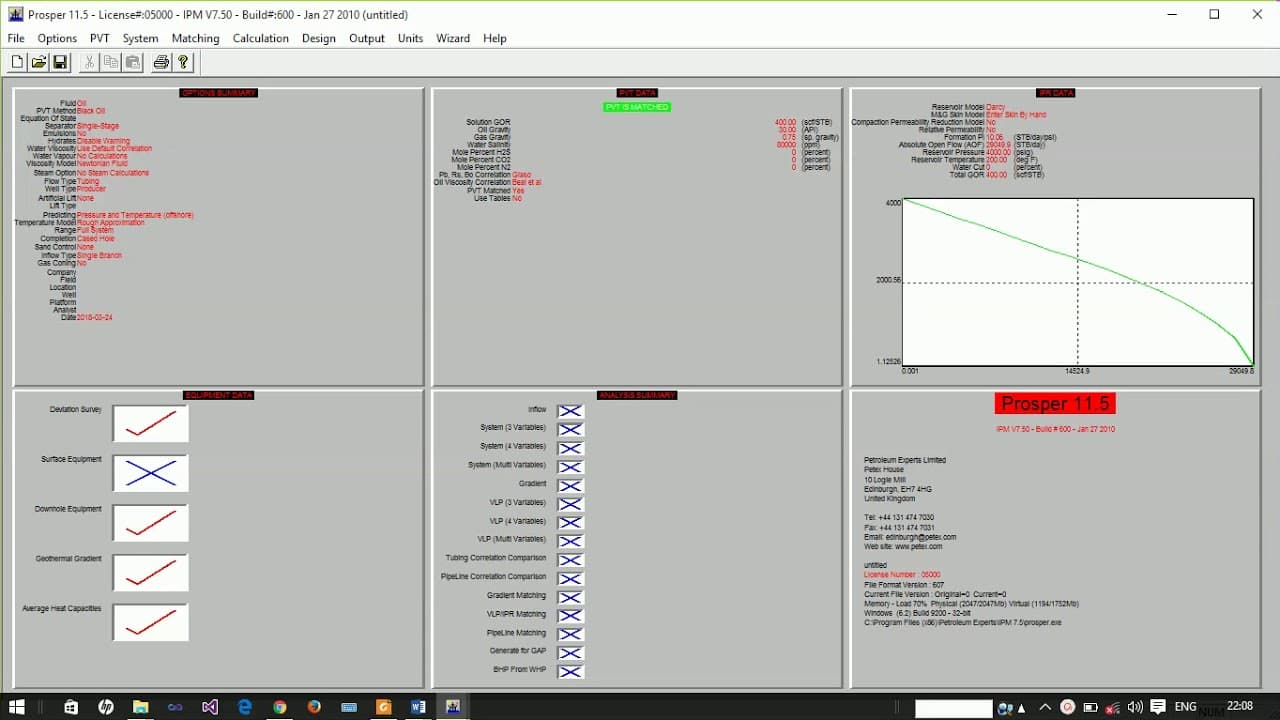
hello welcome to this part of the tutorial this is a platform and then we're going to use a electrical semester plan so that's officially lift oil from an oil well known we offer model here and then let me just show you the basic purposes of this model this is a model with solution Joe our castle ratio 400 standard lipid-based of Tom barrel all gra... Read More
Key Insights
- Electrical submersible pumps (ESPs) are used to lift oil from wells with reduced pressure.
- Reservoir data such as permeability, thickness, and pressure are crucial for ESP design.
- Sensitivity analysis helps determine production potential under varying conditions.
- Changing parameters like casing diameter and pump type can optimize production.
- Water cut and reservoir pressure significantly affect oil production rates.
- Optimal pump selection requires matching test points with best efficiency lines.
- Operating frequency adjustments can influence production rates significantly.
- ESP design must consider maximum frequency and power requirements for efficiency.
Install to Summarize YouTube Videos and Get Transcripts
Explore YouTube Video Summarizer or Get YouTube Transcript Extractor
Questions & Answers
Q: How to optimize oil production with an ESP?
Optimizing oil production with an ESP involves analyzing reservoir data like permeability, thickness, and pressure. Adjusting parameters such as casing diameter and pump type can enhance production. Sensitivity analysis helps determine optimal operating conditions, including the best frequency and pump selection, ensuring efficient oil extraction even with high water cut.
Q: What is the role of sensitivity analysis in ESP design?
Sensitivity analysis in ESP design helps evaluate how different variables, such as reservoir pressure and water cut, affect oil production. By simulating various scenarios, it identifies optimal operating conditions and guides adjustments in parameters like pump type and operating frequency, ensuring efficient and effective oil extraction.
Q: Why is reservoir data important for ESP installation?
Reservoir data, including permeability, thickness, and pressure, is crucial for ESP installation as it informs the design and selection of the pump. Accurate data ensures the ESP is tailored to the well's conditions, optimizing oil production and preventing issues like insufficient lift or equipment failure.
Q: How does water cut affect oil production with ESP?
Water cut significantly affects oil production with ESP by influencing the volume of fluid that needs to be lifted. High water cut can reduce the efficiency of oil extraction, requiring adjustments in pump design and operating conditions to maintain optimal production levels and prevent excessive wear on the equipment.
Q: What factors influence ESP pump selection?
ESP pump selection is influenced by factors such as reservoir pressure, water cut, and production rate requirements. The pump must match the well's conditions, with test points aligned to the best efficiency line. Additionally, power requirements and maximum operating frequency are considered to ensure efficient and reliable operation.
Q: How does operating frequency impact ESP performance?
Operating frequency impacts ESP performance by affecting the rate of fluid lift and overall production efficiency. Adjusting the frequency can optimize oil extraction under varying conditions, but it must be within the pump's design limits to prevent damage. Frequency adjustments should be guided by sensitivity analysis results.
Q: What is the significance of the best efficiency line in ESP design?
The best efficiency line in ESP design represents the optimal operating conditions for the pump, where it performs most efficiently. Ensuring the pump's test points are close to this line maximizes production and minimizes energy consumption, leading to cost-effective and sustainable oil extraction.
Q: Why is it important not to exceed maximum frequency in ESP operation?
Exceeding the maximum frequency in ESP operation can lead to equipment damage and reduced efficiency. Operating within the specified frequency range ensures the pump functions optimally, preventing mechanical failures and maintaining consistent oil production. Adhering to these limits prolongs the lifespan of the equipment.
Summary & Key Takeaways
-
Electrical submersible pumps (ESPs) are crucial for lifting oil from wells with reduced pressure. By analyzing reservoir data and adjusting parameters like casing diameter and pump type, production can be optimized even with high water cut and varying pressures. Sensitivity analysis helps determine optimal operating conditions, ensuring efficient oil extraction.
-
Reservoir data, including permeability, thickness, and pressure, are essential for designing an effective ESP system. Adjustments to operating frequency and pump selection can significantly influence production rates. Sensitivity analysis provides insights into how different variables impact oil extraction efficiency.
-
Optimal pump selection involves matching test points with best efficiency lines, ensuring the ESP operates effectively. The video emphasizes the importance of considering maximum frequency and power requirements in ESP design to maintain efficient oil production, even under challenging conditions with high water cut and pressure variations.
Read in Other Languages (beta)
Share This Summary 📚
Summarize YouTube Videos and Get Video Transcripts with 1-Click
Try YouTube Summary with ChatGPT & Claude or YouTube Transcript Generator