Why Your Brain Loves Feeling Outraged and Punishing People's Bad Behavior | Molly Crockett
TL;DR
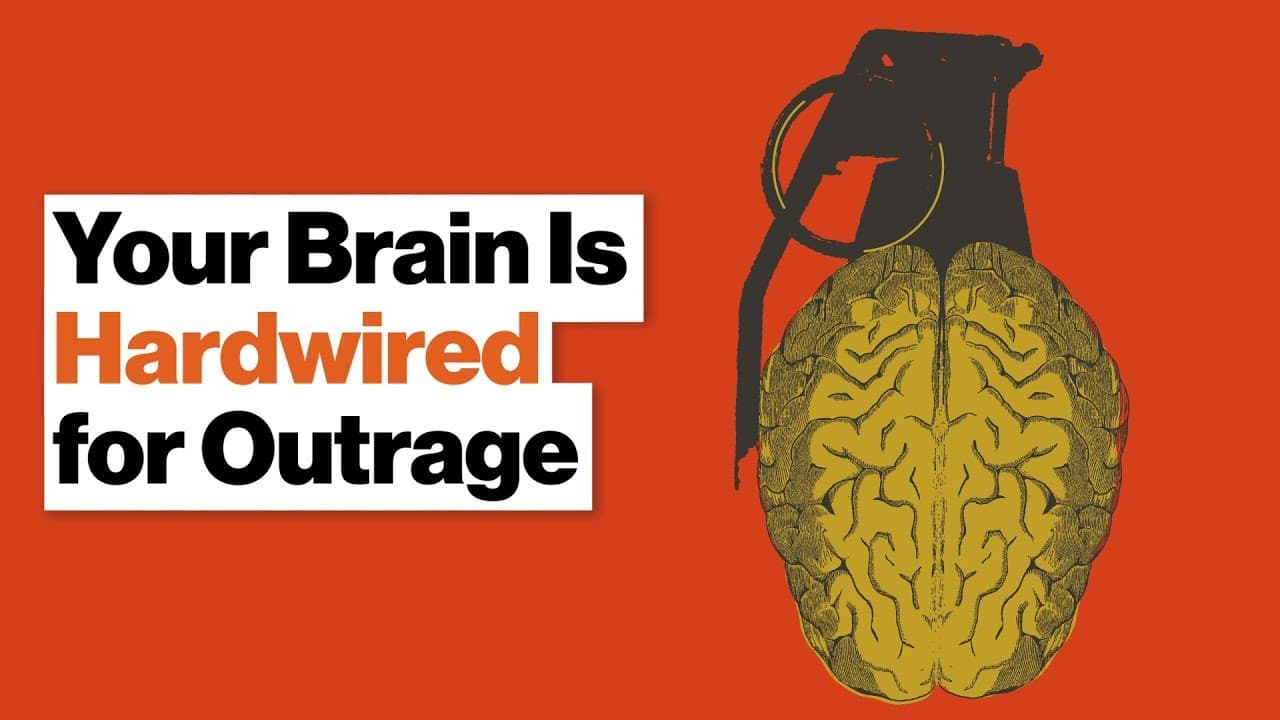
Punishing bad behavior activates the reward center in the brain, and lowering serotonin levels increases the likelihood of punishing unfairness. The ultimatum game demonstrates that people value fairness and identity over material gain, which is relevant in understanding the rise of populism in response to economic inequality.
Transcript
One hallmark of moral outrage is expressing it feels so good. And brain imaging studies have shown that when we punish bad behavior you see activation in the striatum, which is a brain area that we know to be involved in signaling rewards. It’s receiving inputs from the dopamine system. One of the strands of research that I’ve done over the past se... Read More
Key Insights
- 🧠 Moral outrage is characterized by feelings of pleasure and activation of the reward center in the brain when punishing bad behavior.
- 🎚️ Manipulating serotonin levels can influence the likelihood of punishing unfair behavior, with lower levels increasing the desire to punish.
- 😑 The ultimatum game reveals that people prioritize fairness and expressing dissatisfaction over material gain, rejecting unfair offers to assert their identity.
- 👯 Economic arguments alone are ineffective in persuading people when their identity and community are at stake.
- 😑 The rise of populism can be seen as a response to economic inequality, with people expressing their dissatisfaction through voting and challenging the current economic system.
- 🥺 Dramatic economic inequality, with the top one percent benefiting disproportionately, leads to widespread dissatisfaction and a belief that the current situation is unfair.
- 😑 The ultimatum game provides insight into the global, society-level dynamics of economic inequality, where people express their dissatisfaction through voting and political actions.
Install to Summarize YouTube Videos and Get Transcripts
Explore YouTube Video Summarizer or Get YouTube Transcript Extractor
Questions & Answers
Q: What brain area is activated when punishing bad behavior?
The striatum, which is involved in signaling rewards, is activated when we punish bad behavior. This activation is linked to the pleasure and satisfaction derived from punishment.
Q: How does manipulating serotonin levels affect punishment decisions?
Lowering serotonin levels makes people more likely to punish unfair behavior, as observed in studies. This suggests that serotonin plays a role in regulating our desire to punish and influences the brain's response to punishment.
Q: Where does tryptophan, the raw ingredient for serotonin, come from?
Tryptophan, an essential amino acid and the building block of serotonin, can only be obtained through the intake of enough protein in our diet. Therefore, the availability of resources in the environment may finely tune serotonin levels and influence our response to unfairness.
Q: How does the ultimatum game highlight people's values beyond monetary gain?
In the ultimatum game, people often reject offers below a certain threshold, demonstrating that they care about fairness, being respected, and avoiding disadvantageous inequality. Expressing dissatisfaction and asserting identity is prioritized over accepting a small amount of money.
Summary & Key Takeaways
-
Brain imaging studies show that punishing bad behavior activates the reward center in the brain, leading to feelings of pleasure.
-
Lowering serotonin levels makes people more likely to punish unfair behavior, as seen through decreased serotonin and increased activity in the striatum.
-
The ultimatum game reveals that people reject unfair offers to express their dissatisfaction with disadvantageous inequality, prioritizing identity and fairness over economic gain.
Read in Other Languages (beta)
Share This Summary 📚
Summarize YouTube Videos and Get Video Transcripts with 1-Click
Try YouTube Summary with ChatGPT & Claude or YouTube Transcript Generator
Explore More Summaries from Big Think 📚


Summarize YouTube Videos and Get Video Transcripts with 1-Click
Try YouTube Summary with ChatGPT & Claude or YouTube Transcript Generator