How to Use NLP Techniques to Overcome Anxiety
TL;DR
To effectively use NLP techniques for anxiety, identify specific triggers and apply suitable methods like the phobia process or anchoring. Systematically create interventions and practice them until they become automatic responses, transforming anxiety into a resourceful state. This methodical approach ensures lasting change and emotional resilience.
Transcript
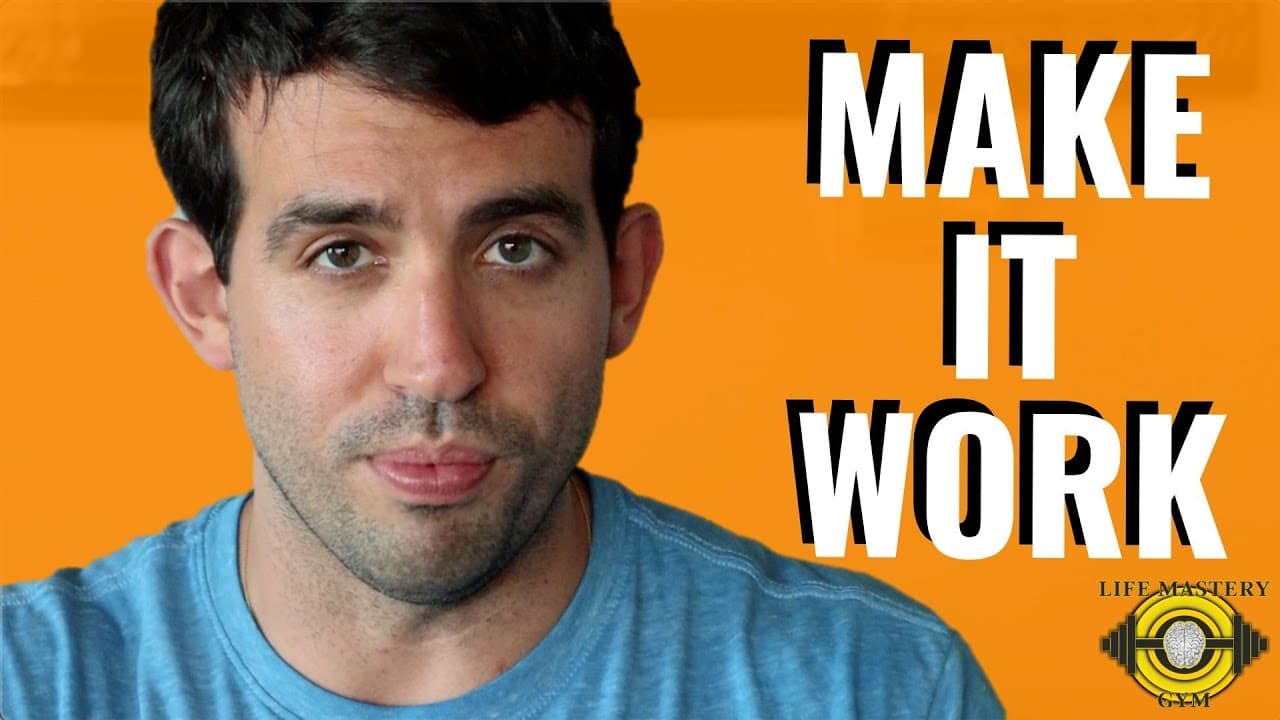
hi welcome to life mastery gym my name is Peter Schwartz and in this video I want to share with you a couple of key distinctions about how to use neuro-linguistic programming techniques like the phobia pattern like anchoring like the swish pattern whatever your technique of choice is how to actually apply the techniques so that you can resolve anxi... Read More
Key Insights
- NLP is effective for transforming anxiety into a resourceful state.
- The phobia process is useful for intense anxiety triggers.
- Anchoring and the swish pattern are key NLP techniques.
- Systematic intervention is crucial for lasting change.
- Identify specific triggers to tailor NLP techniques effectively.
- Repeated practice makes new responses automatic.
- Transforming internal dialogue helps manage anxiety.
- Methodical application of techniques ensures emotional resilience.
Install to Summarize YouTube Videos and Get Transcripts
Explore YouTube Video Summarizer or Get YouTube Transcript Extractor
Questions & Answers
Q: How to use NLP techniques for anxiety?
To use NLP techniques for anxiety, first identify specific triggers that cause anxiety. Choose suitable techniques like the phobia process, anchoring, or the swish pattern. Apply these techniques systematically and practice them repeatedly until they become automatic responses, transforming anxiety into a more resourceful state.
Q: What is the phobia process in NLP?
The phobia process in NLP is a technique used to neutralize intense emotional responses associated with specific triggers. It involves methodically running through the phobic response and applying the process repeatedly until the emotional intensity diminishes, allowing individuals to respond more calmly and resourcefully.
Q: Why is systematic intervention important in NLP?
Systematic intervention is crucial in NLP because it ensures that the application of techniques is consistent and thorough. By methodically addressing each trigger and practicing interventions repeatedly, individuals can create lasting changes in their emotional responses, making new, positive reactions automatic over time.
Q: How does anchoring work in NLP?
Anchoring in NLP involves associating a specific physical or mental stimulus with a desired emotional state. By consistently pairing the stimulus with the positive state through repeated practice, individuals can trigger the desired state at will, helping them manage anxiety and other emotions effectively.
Q: What is the swish pattern in NLP?
The swish pattern in NLP is a technique used to replace unwanted thoughts or behaviors with desired ones. It involves visualizing the unwanted state and then quickly 'swishing' to a vivid image of the desired state, reinforcing the new response through repeated practice until it becomes automatic.
Q: How can transforming internal dialogue help with anxiety?
Transforming internal dialogue involves changing negative self-talk into positive, supportive language. By identifying and altering the internal dialogue that triggers anxiety, individuals can reduce anxiety levels and promote a more positive and resourceful mindset, aiding in emotional regulation and resilience.
Q: What are the benefits of identifying specific triggers in NLP?
Identifying specific triggers is beneficial in NLP as it allows individuals to tailor techniques to their unique experiences. By knowing what triggers anxiety, individuals can apply the most effective NLP methods, ensuring targeted interventions that lead to more successful and enduring emotional transformations.
Q: How can repeated practice of NLP techniques lead to automatic responses?
Repeated practice of NLP techniques leads to automatic responses by reinforcing new neural pathways. As individuals consistently apply techniques to manage anxiety, these new pathways become stronger, eventually overriding old patterns and making the desired emotional response a natural, automatic reaction.
Summary & Key Takeaways
-
NLP techniques like the phobia process and anchoring can effectively transform anxiety into a more resourceful state. By identifying specific triggers and systematically applying these techniques, individuals can create lasting change and resilience in emotional responses.
-
Peter Schwartz emphasizes the importance of a methodical approach to using NLP for anxiety. By repeatedly practicing interventions until they become automatic, individuals can shift from anxious states to desired positive states.
-
The video highlights various NLP techniques, including spinning feelings and transforming internal dialogue, as powerful tools for managing anxiety. Identifying triggers and choosing the right technique are crucial steps in this process.
Read in Other Languages (beta)
Share This Summary 📚
Summarize YouTube Videos and Get Video Transcripts with 1-Click
Try YouTube Summary with ChatGPT & Claude or YouTube Transcript Generator
Explore More Summaries from Damon Cart NLP 📚

Summarize YouTube Videos and Get Video Transcripts with 1-Click
Try YouTube Summary with ChatGPT & Claude or YouTube Transcript Generator