How to Implement a 5-Minute Scalping Strategy

TL;DR
The 5-minute scalping strategy leverages supply and demand zones to identify high-probability trades in forex, stocks, and crypto markets. By recognizing institutional trading patterns and avoiding common mistakes, traders can achieve quick entries and exits. Key elements include liquidity sweeps and price action confirmation signals such as pin bars and tailed bars.
Transcript
hey Traders welcome back to the channel today we're diving into one of the most powerful scalping strategies top Traders use to stay ahead of the game whether you're a Season Pro or just starting out this strategy will transform the way you trade in this video you're going to learn exactly how to decode how trading machines and algorithms move the ... Read More
Key Insights
- Supply and demand zones are critical for identifying potential market reversals.
- Institutional trades can be spotted by recognizing patterns like drop-base-rally and rally-base-drop.
- A liquidity sweep involves triggering stop losses to fill institutional orders before a market reversal.
- Price action confirmation signals like pin bars and tailed bars indicate potential reversals after liquidity sweeps.
- A 3:1 reward-to-risk ratio is essential for long-term profitability, even with a low win rate.
- Fresh zones that haven't been tested are more likely to yield strong market reactions.
- Large candles with consistent color indicate institutional involvement and strong momentum.
- Avoid trading zones that don't meet all criteria, including candle size, freshness, breakout of structure, and risk-to-reward ratio.
Install to Summarize YouTube Videos and Get Transcripts
Explore YouTube Video Summarizer or Get YouTube Transcript Extractor
Questions & Answers
Q: How to identify supply and demand zones?
Supply and demand zones are identified by observing areas where price movements are halted due to strong buying or selling pressure. A supply zone forms after a rally when institutions sell to take profits, causing the price to drop. A demand zone forms after a decline when buying pressure pushes the price back up. Recognizing these zones helps predict potential market reversals.
Q: What is a liquidity sweep in trading?
A liquidity sweep occurs when market makers push the price to trigger stop losses and fill limit orders, creating a temporary price dip or spike. This tactic clears out retail traders and allows institutions to enter trades at favorable prices. After the sweep, the market often reverses, providing an opportunity for traders to enter in the direction of the institutional move.
Q: Why is a 3:1 reward-to-risk ratio important?
A 3:1 reward-to-risk ratio ensures that the potential profit from a trade is at least three times the amount risked. This ratio allows traders to remain profitable even if they lose more trades than they win. By focusing on high-reward setups, traders can offset losses and achieve long-term success, making it a critical component of sustainable trading strategies.
Q: How do pin bars indicate market reversals?
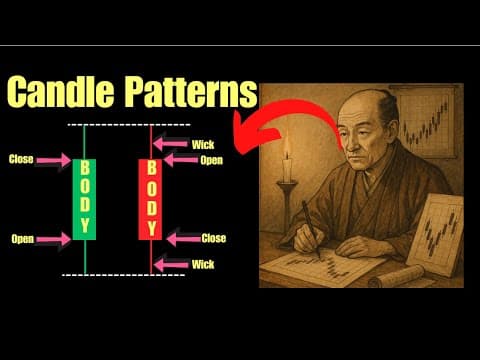
Pin bars are candlestick patterns with a small body and a long wick, signaling a rejection of price movement in one direction. In a demand zone, a bullish pin bar indicates that buyers have rejected lower prices, suggesting a potential upward move. Conversely, a bearish pin bar in a supply zone indicates seller dominance and a likely downward move, making them reliable reversal signals.
Q: What are the steps to execute a scalping trade?
To execute a scalping trade, first identify a high-probability supply or demand zone using criteria like candle size and freshness. Wait for a liquidity sweep, then look for price action confirmation signals such as pin bars or tailed bars. Enter the trade at the close of the confirmation signal, set a stop loss, and target a 3:1 reward-to-risk ratio. Use a set-and-forget approach to manage the trade.
Q: How do institutional traders influence market patterns?
Institutional traders influence market patterns by executing large trades that create significant price movements. They often use strategies like liquidity sweeps to enter trades at optimal prices, causing temporary spikes or dips. Patterns like drop-base-rally and rally-base-drop reflect institutional activity, as these traders accumulate positions and drive market trends, leaving identifiable footprints in the price action.
Q: What are common mistakes to avoid in scalping?
Common mistakes in scalping include entering trades without meeting all strategy criteria, such as candle size and risk-to-reward ratio. Traders often let emotions like fear of missing out or ego influence decisions, leading to impulsive trades. Avoid moving stop losses to avoid losses and maintain discipline by sticking to the strategy's rules to ensure consistent profitability and minimize risks.
Q: How can traders manage emotions during trading?
Traders can manage emotions by developing a disciplined approach and sticking to a well-defined strategy. Recognizing that losses are part of trading helps reduce emotional reactions. Focus on long-term goals rather than individual trades, and use techniques like mindfulness or journaling to stay calm. Accepting that the market offers continuous opportunities can help prevent fear of missing out and impulsive decisions.
Summary & Key Takeaways
-
The 5-minute scalping strategy focuses on identifying supply and demand zones to catch market reversals. Traders should look for patterns like drop-base-rally and rally-base-drop, which indicate institutional trading activity. A key component is the liquidity sweep, where stop losses are triggered to facilitate institutional trades.
-
Price action signals such as pin bars and tailed bars confirm potential reversals after liquidity sweeps. Traders should ensure their trades meet criteria like large candle size, freshness of zones, and a 3:1 reward-to-risk ratio for optimal results. This strategy allows for quick entries and exits, maximizing trading opportunities.
-
Avoid common mistakes like failing to adhere to strategy criteria or letting emotions influence trading decisions. By maintaining discipline and focusing on high-probability setups, traders can achieve consistent profitability even with a low win rate. The strategy is applicable across various markets, including forex, stocks, and crypto.
Read in Other Languages (beta)
Share This Summary 📚
Summarize YouTube Videos and Get Video Transcripts with 1-Click
Try YouTube Summary with ChatGPT & Claude or YouTube Transcript Generator
Explore More Summaries from Pro Trading School 📚
Summarize YouTube Videos and Get Video Transcripts with 1-Click
Try YouTube Summary with ChatGPT & Claude or YouTube Transcript Generator