How Does Meta’s New Facebook Ads Target Frequency Feature Work?
TL;DR
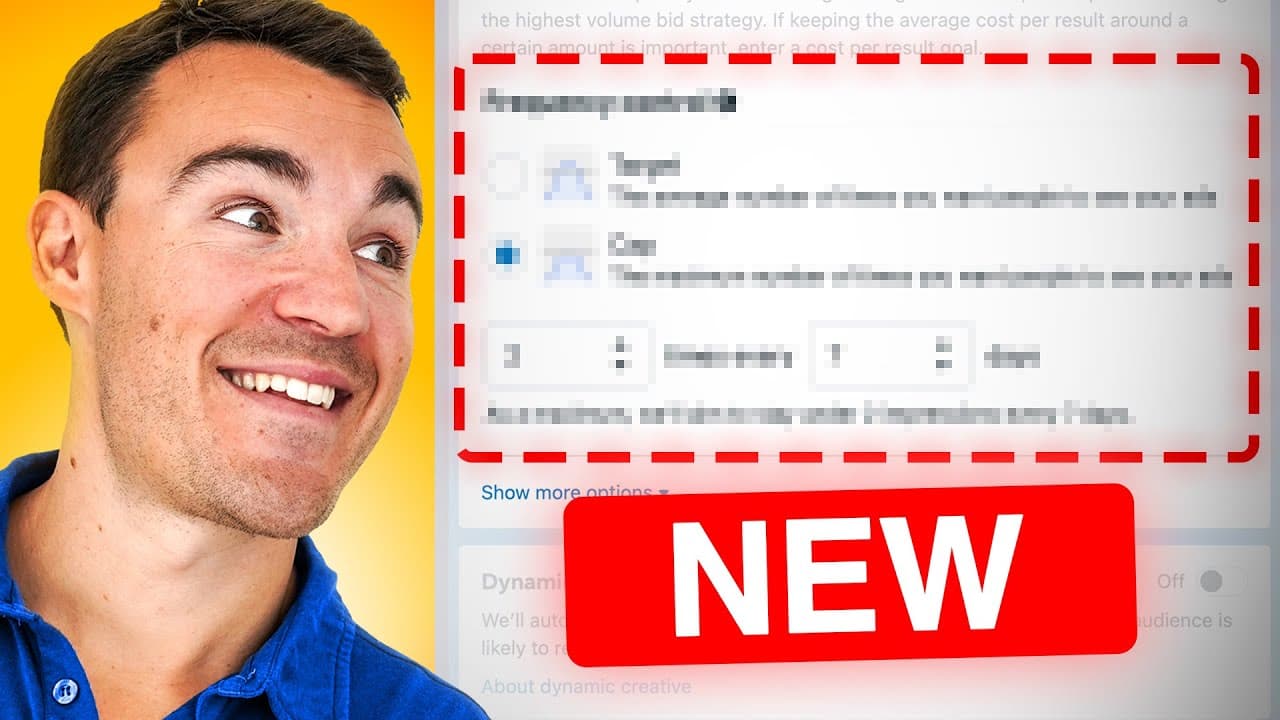
Meta’s new Facebook Ads frequency control lets advertisers choose a target average rather than relying only on a strict frequency cap. In the example shown, Meta defaults to two impressions every seven days, while target frequency requires a lifetime budget and a campaign lasting more than several days. The feature may help balance repeated exposure to interested users with broader audience reach. Read on to understand the setup, trade-offs, and best use cases.
Transcript
meta is making a really big change to a really important Facebook ads feature I'm very excited about it and in this video I'm going to show you what it is and how to use it okay so what am I talking about here well meta is making massive changes to frequency options and just to quickly explain frequency is the number of times that people have seen ... Read More
Key Insights
- Meta is updating frequency options for Facebook ads, allowing advertisers to better control how often their ads are shown to the same users.
- The new feature introduces a 'target frequency' option, aiming for an average frequency rather than a strict cap, which could lead to better engagement.
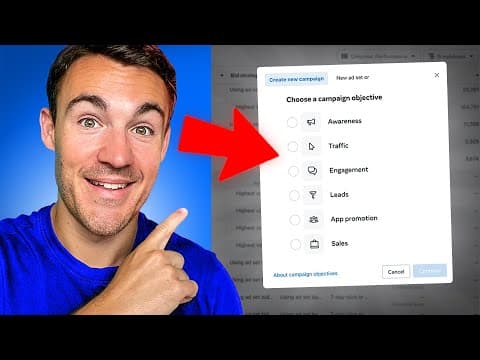
- Previously, frequency caps could only be used with the awareness campaign objective, but changes are being made to include other objectives.
- The new frequency control section requires using lifetime budgets and campaigns running for more than a few days, which may alter budget strategies.
- Advertisers can now choose to spread impressions thinly across a larger audience or focus on engaging interested users with repeated ads.
- The feature's rollout to engagement, sales, and leads campaign objectives could significantly improve ad performance and targeting strategies.
- This update addresses concerns about ads being shown too frequently to the same users, especially in warm audiences, enhancing new customer acquisition.
- The changes could benefit limited-time offers and new product launches by ensuring ads reach a broader audience quickly.
Install to Summarize YouTube Videos and Get Transcripts
Explore YouTube Video Summarizer or Get YouTube Transcript Extractor
Questions & Answers
Q: What is Meta’s new Facebook Ads frequency control feature?
The new frequency control section adds a target frequency option alongside the existing frequency cap. It lets advertisers aim for an average number of impressions rather than imposing only a strict maximum on how often each person sees an ad.
Q: What does frequency mean in Facebook Ads?
Frequency is the average number of times people who encountered an ad have seen it. For example, a frequency of three means those people saw the ad three times on average.
Q: How does target frequency differ from a frequency cap?
A frequency cap prevents an ad from appearing more than a specified number of times within a set period, such as one impression every seven days. Target frequency instead aims for an average, allowing Meta to show the ad somewhat more often to people who appear interested.
Q: How do you enable target frequency in a Facebook Ads campaign?
Create an awareness campaign and go to the ad set level, where the frequency control section appears. Change the budget from daily to lifetime, set the campaign to run for more than several days, select Target, and then choose the number of impressions and the time frame.
Q: Why might target frequency improve Facebook Ads results?
It allows Meta to repeat ads for people who engage or click but have not yet taken the desired action. At the same time, the chosen average provides control over how heavily impressions are concentrated within the audience.
Q: When is a higher Facebook Ads frequency useful?
Higher frequency can help when a product or service involves a significant decision and requires more convincing. Repeated exposure gives advertisers more opportunities to demonstrate benefits and present proof such as customer testimonials.
Q: When should advertisers use a lower frequency?
Lower frequency may suit impulse purchases, free information products, and other offers that are easy to accept. Spreading impressions across more people can reduce spending on users who have already seen the ad and decided they are not interested.
Q: What budget trade-off does target frequency create?
Target frequency requires a lifetime budget, while the speaker generally prefers daily budgets. Advertisers therefore need to test whether access to frequency control and its potential advantages makes switching to a lifetime budget worthwhile.
Summary & Key Takeaways
-
Meta is introducing a new frequency control feature for Facebook ads, allowing advertisers to set a target frequency for ad impressions. This change aims to improve ad engagement by focusing on interested users while still spreading impressions across a wider audience.
-
Previously limited to awareness campaigns, the updated frequency options are expected to roll out to other objectives like engagement, sales, and leads. This expansion could significantly enhance targeting strategies and address common issues with ad repetition.
-
The new feature requires using lifetime budgets for campaigns, potentially altering budget strategies. Advertisers can benefit from better control over ad frequency, especially for limited-time offers and new product launches, ensuring broader audience reach.
Read in Other Languages (beta)
Share This Summary 📚
Summarize YouTube Videos and Get Video Transcripts with 1-Click
Try YouTube Summary with ChatGPT & Claude or YouTube Transcript Generator
Explore More Summaries from Ben Heath 📚
Summarize YouTube Videos and Get Video Transcripts with 1-Click
Try YouTube Summary with ChatGPT & Claude or YouTube Transcript Generator