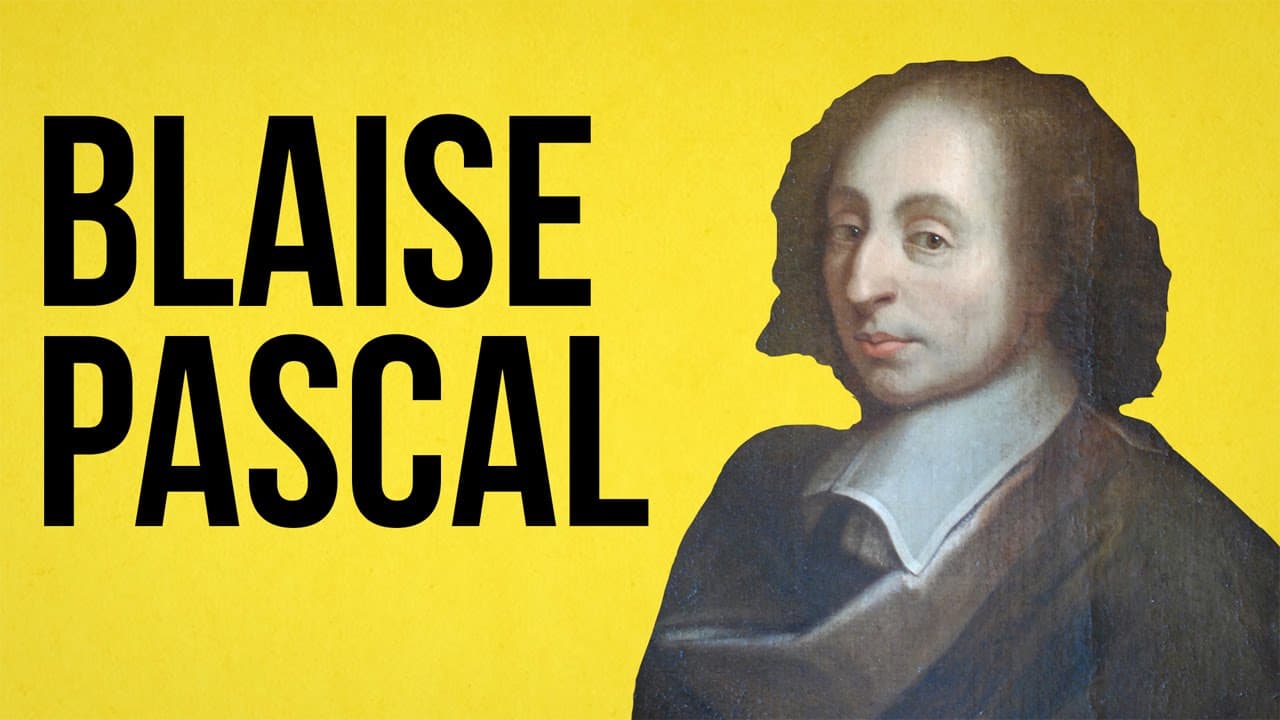
PHILOSOPHY - Blaise Pascal
TL;DR
Pascal’s pessimistic outlook provides comfort in confronting life's harsh realities.
Transcript
it is still tragically sometimes assumed that the best way to cheer someone up is to tell them that everything will be all right to intimate that life is essentially a pleasant process in which happiness is no Mirage and human fulfillment a real possibility however we need only read a few pages of the book known as the pon by the great French 17 Ce... Read More
Key Insights
- 😃 Pascal combined a deep understanding of human suffering with moments of profound wit, making his observations both impactful and engaging.
- 😃 His philosophy suggests that life's inherent difficulties should not lead to despair but rather a more profound appreciation of joy when it does occur.
- 🍔 Pascal's critiques of vanity and distraction resonate with modern audiences, urging a reconsideration of how we cope with unhappiness.
- 💍 By drawing attention to the illusion of earthly happiness, Pascal challenges us to engage more deeply with the realities of the human condition.
- 😌 The irony of his message lies in the fact that facing bleakness can liberate individuals from the burden of unrealistic hopes.
- 🛟 Pascal's legacy encourages individuals to confront their insecurities and acknowledges the absurdities of life, providing a path to greater mental clarity.
- 🛟 His insights validate the feelings of disappointment and disillusionment in life, encouraging readers to exist authentically in their human experience.
Install to Summarize YouTube Videos and Get Transcripts
Explore YouTube Video Summarizer or Get YouTube Transcript Extractor
Questions & Answers
Q: What was Blaise Pascal's main purpose in writing "Pensees"?
Pascal aimed to convert readers to Christianity by emphasizing the harsh realities of life. He argued that confronting life's bleakness would lead individuals to seek solace and meaning within the Christian faith. His approach intended to elevate the importance of understanding human misery before reaching for divine salvation.
Q: How does Pascal's view of human nature challenge modern perceptions?
Pascal's assertion that humans are inherently flawed, vain, and prone to despair runs counter to many contemporary optimistic narratives. Today, it is common to promote ideas of self-fulfillment and potential, yet Pascal's perspective urges us to recognize our limitations and embrace a more realistic understanding of existence.
Q: What is the significance of Pascal's aphorism about being alone?
Pascal suggested that humanity's unhappiness stems from its inability to stay peacefully alone, indicating that avoidance of self-reflection leads to distraction and dissatisfaction. This observation emphasizes the importance of introspection and confronting one's thoughts to attain true understanding and serenity, rather than constantly seeking external validation or entertainment.
Q: In what way is Pascal's pessimism described as comforting?
Despite his bleak outlook, Pascal’s work can be comforting as it provides a sense of shared experience in human suffering. By acknowledging life's harsh realities, readers may find solace in realizing they are not alone in their struggles, thereby fostering resilience and a more authentic approach to life's challenges.
Summary & Key Takeaways
-
Blaise Pascal, a 17th-century philosopher, demonstrated that acknowledging life's difficulties can help lift our spirits, even if his approach is bleak.
-
His book, "Pensees," contrasts the misery of human existence with the hope of divine salvation, though many readers focus on the former.
-
Pascal's insights into the nature of unhappiness highlight human tendencies toward vanity, despair, and the relentless pursuit of distraction from our true condition.
Read in Other Languages (beta)
Share This Summary 📚
Summarize YouTube Videos and Get Video Transcripts with 1-Click
Try YouTube Summary with ChatGPT & Claude or YouTube Transcript Generator