What Caused the Tunguska Event in 1908?
TL;DR
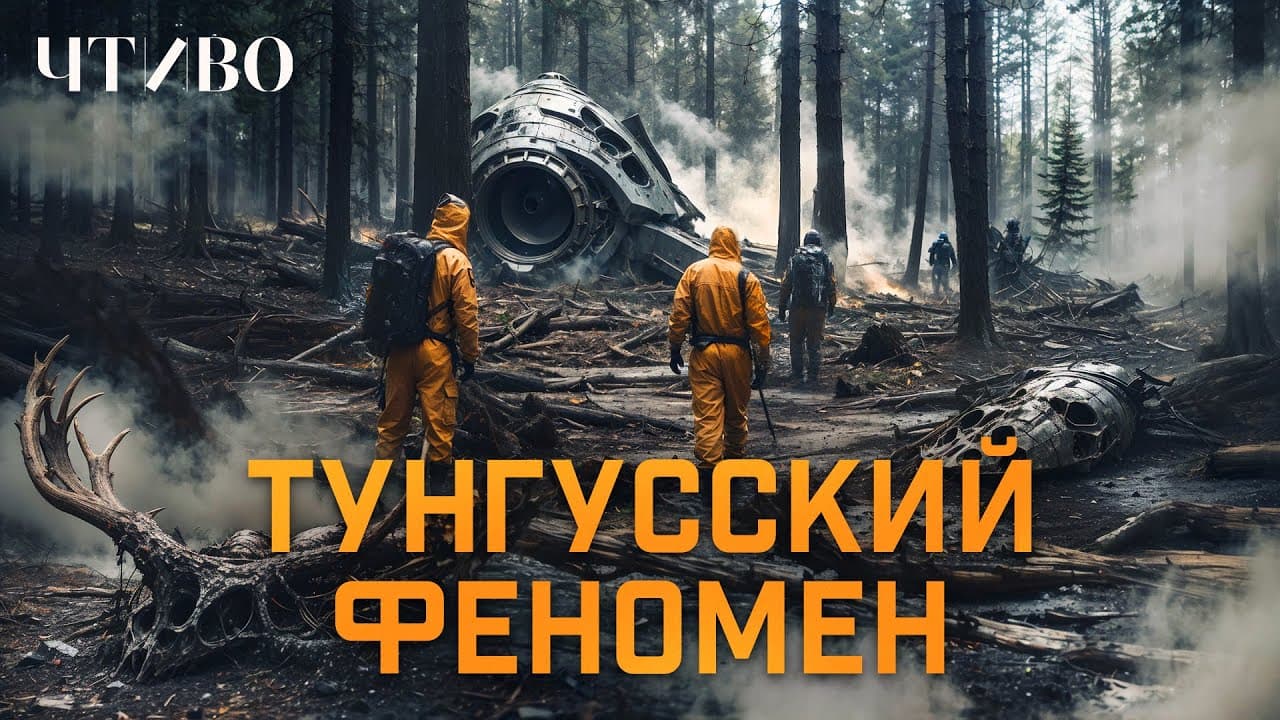
The Tunguska event in 1908 remains a mystery with theories ranging from a meteorite explosion to alien spacecraft and Nikola Tesla's experiments. Despite extensive research, no meteorite fragments have been found. The most supported theory suggests a cosmic object with a rocky core exploded in the atmosphere, leaving no trace. The event caused massive environmental changes but no human casualties.
Transcript
Make every moment special! Shine with Kari! Yulia Takshina for Kari. The fall of the Tunguska meteorite is one of the 20th century’s favorite mysteries for conspiracy theorists. Some claim that in 1908, a UFO, antimatter, a microscopic black hole, or ball lightning exploded over Siberia. Others blame Nikola Tesla, who supposedly tried to send an en... Read More
Key Insights
- The Tunguska event occurred on June 30, 1908, in Siberia, causing a massive explosion with no confirmed meteorite fragments found.
- The explosion was heard up to 1,000 kilometers away and caused seismic tremors worldwide, comparable to a magnitude 5 earthquake.
- Theories about the event include alien spacecraft, secret weapon tests, and Nikola Tesla's experiments, but none are proven.
- The most supported theory is a cosmic object with a rocky core exploded in the atmosphere, explaining the lack of fragments.
- The area affected by the explosion spanned 2,150 square kilometers, with trees charred and stripped bare, yet standing upright.
- The event caused unusual atmospheric phenomena, including bright nights and solar halos, observed across Europe.
- Leonid Kulik led several expeditions to investigate the site, but no crater or debris was found, only environmental anomalies.
- Despite the explosion's power, there were no human casualties, highlighting humanity's luck in avoiding a disaster in populated areas.
Install to Summarize YouTube Videos and Get Transcripts
Explore YouTube Video Summarizer or Get YouTube Transcript Extractor
Questions & Answers
Q: What caused the Tunguska event in 1908?
The cause of the Tunguska event remains a mystery, with theories ranging from a meteorite explosion to alien spacecraft and Nikola Tesla's experiments. The most supported theory suggests a cosmic object with a rocky core exploded in the atmosphere, leaving no trace of fragments.
Q: What were the effects of the Tunguska explosion?
The Tunguska explosion caused massive environmental damage over 2,150 square kilometers, with trees charred and stripped bare. The explosion was heard up to 1,000 kilometers away and caused seismic tremors worldwide. Despite its power, there were no human casualties.
Q: Why are there no meteorite fragments found at the Tunguska site?
No meteorite fragments have been found at the Tunguska site, leading to various theories. The most plausible explanation is that a cosmic object with a rocky core exploded in the atmosphere, leaving no trace of fragments as they disintegrated into microscopic pieces.
Q: What unusual phenomena were observed after the Tunguska event?
After the Tunguska event, unusual atmospheric phenomena were observed, including bright nights and solar halos across Europe. These were caused by the explosion's impact on the atmosphere, which filled with dust and affected astronomical observations for weeks.
Q: Who was Leonid Kulik and what was his role in the Tunguska investigation?
Leonid Kulik was a Soviet researcher who led several expeditions to investigate the Tunguska site. Despite finding no crater or debris, his work documented significant environmental changes and sparked ongoing scientific interest in the event.
Q: What are some of the conspiracy theories about the Tunguska event?
Conspiracy theories about the Tunguska event include an alien spacecraft crash, secret weapon tests, and Nikola Tesla's experiments. These theories remain unproven, with scientific consensus favoring a cosmic object's explosion in the atmosphere as the cause.
Q: How did the Tunguska event impact scientific research and theories?
The Tunguska event has sparked significant scientific and pseudoscientific interest, leading to various theories and research efforts. It highlighted the potential impacts of cosmic events on Earth and the need for further study of atmospheric and environmental phenomena.
Q: What is the most supported theory about the Tunguska event?
The most supported theory about the Tunguska event is that a cosmic object with a rocky core exploded in the atmosphere. This theory explains the lack of meteorite fragments, as the core would have disintegrated into microscopic pieces that mixed with the soil and water.
Summary & Key Takeaways
-
The Tunguska event in 1908 involved a massive explosion over Siberia, causing widespread environmental damage but no human casualties. Despite extensive research, no meteorite fragments have been found, leading to numerous theories about its cause.
-
Theories about the Tunguska event include an alien spacecraft, secret weapon tests, and Nikola Tesla's experiments. The most plausible explanation is a cosmic object with a rocky core exploded in the atmosphere, leaving no trace.
-
Leonid Kulik led expeditions to the Tunguska site, finding no crater or debris but significant environmental changes. The explosion caused seismic tremors worldwide and unusual atmospheric phenomena, sparking ongoing scientific and pseudoscientific interest.
Read in Other Languages (beta)
Share This Summary 📚
Summarize YouTube Videos and Get Video Transcripts with 1-Click
Try YouTube Summary with ChatGPT & Claude or YouTube Transcript Generator
Explore More Summaries from ЧТИВО 📚




Summarize YouTube Videos and Get Video Transcripts with 1-Click
Try YouTube Summary with ChatGPT & Claude or YouTube Transcript Generator