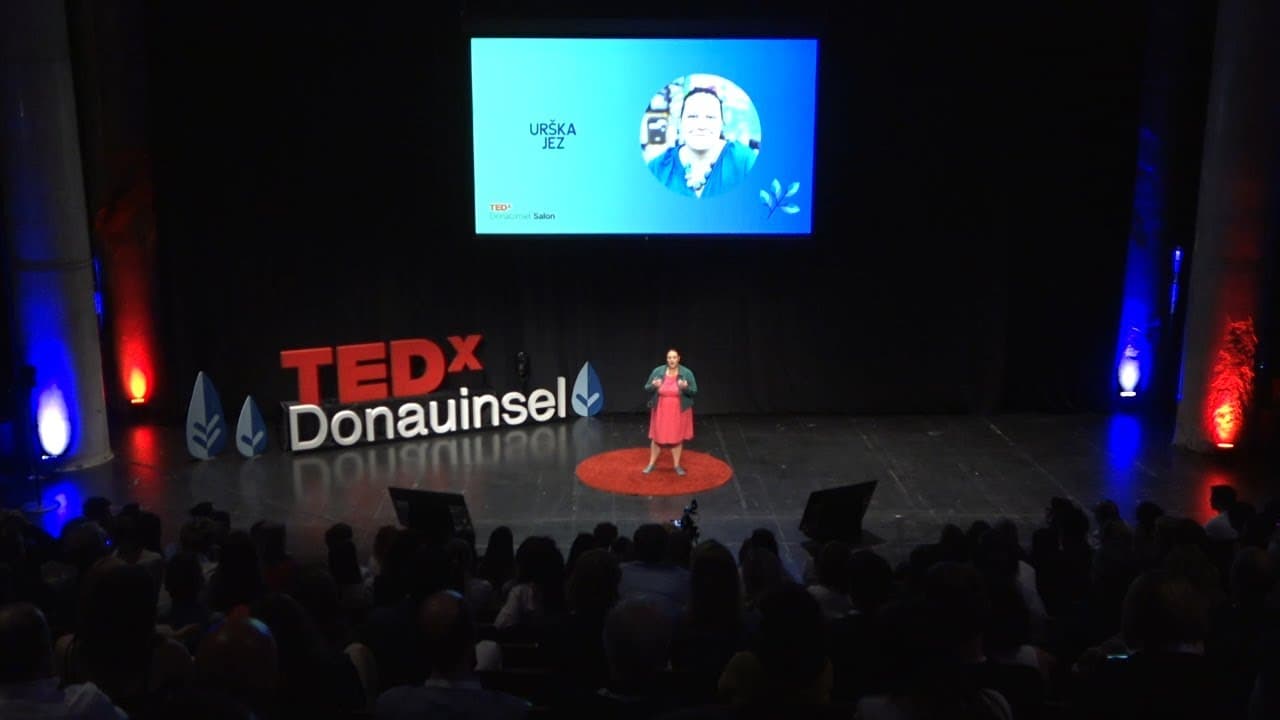
How To Use Language To Change Gender Stereotypes | Urška Jež | TEDxDonauinselSalon
TL;DR
Using gender-sensitive language is crucial for promoting gender equality and inclusion, as language shapes stereotypes and societal norms.
Transcript
Transcriber: Petra Pavlinušić Reviewer: Sadegh Vahdati Nia I've been working in the NGO sector my entire life. At our NGO in Ljubljana, we promote gender equality and inclusion through contemporary arts. Rationally, I know the value of my work. I see the impact of our sector, but still, it stings a bit when I hear how my work is a hobby, how it's n... Read More
Key Insights
- 🌍 Stereotypes are built on language and shape our understanding of the world.
- 🧔♀️ Using masculine generic terms in language downplays women's contributions and limits their representation.
- ⚧️ Gender-sensitive language creates a more inclusive and welcoming environment in the workplace.
- 🖐️ Language plays a crucial role in promoting gender equality and challenging societal norms.
- 🧔♀️ Inappropriate and derogatory language in the workplace affects both women and men, creating discomfort and insecurity.
- 💱 Changing language requires conscious effort but can have a profound impact on societal perceptions.
- 👩🚀 The use of inclusive language can make traditionally male-dominated spaces more welcoming for women and transgender individuals.
Install to Summarize YouTube Videos and Get Transcripts
Explore YouTube Video Summarizer or Get YouTube Transcript Extractor
Questions & Answers
Q: Why are stereotypes difficult to change?
Stereotypes are difficult to change because they help us cope with the unknown and navigate the world. Changing stereotypes often requires experiencing the realities of marginalized groups.
Q: How does language impact gender equality?
Language shapes our understanding of the world and reflects societal norms. Using masculine generic terms exclusively for professions and roles downplays women's contributions and limits their representation.
Q: How does gender-sensitive language benefit the workplace?
Gender-sensitive language creates a more inclusive and welcoming environment for all employees, including women and transgender individuals. It challenges the assumption that men are the default, allowing everyone to contribute based on their abilities.
Q: What are some examples of gender-sensitive language?
Instead of using phrases like "guys" to refer to a mixed or all-female group, using more inclusive terms like "everybody," "team," or "people" is recommended. Additionally, replacing derogatory phrases with more positive alternatives promotes a respectful communication culture.
Summary & Key Takeaways
-
Language reflects stereotypes and helps us navigate the unknown.
-
Using masculine generic terms downplays women's contributions to society and limits their representation.
-
Gender-sensitive language creates a more inclusive and welcoming environment in the workplace.
Read in Other Languages (beta)
Share This Summary 📚
Summarize YouTube Videos and Get Video Transcripts with 1-Click
Try YouTube Summary with ChatGPT & Claude or YouTube Transcript Generator
Explore More Summaries from TEDx Talks 📚




Summarize YouTube Videos and Get Video Transcripts with 1-Click
Try YouTube Summary with ChatGPT & Claude or YouTube Transcript Generator