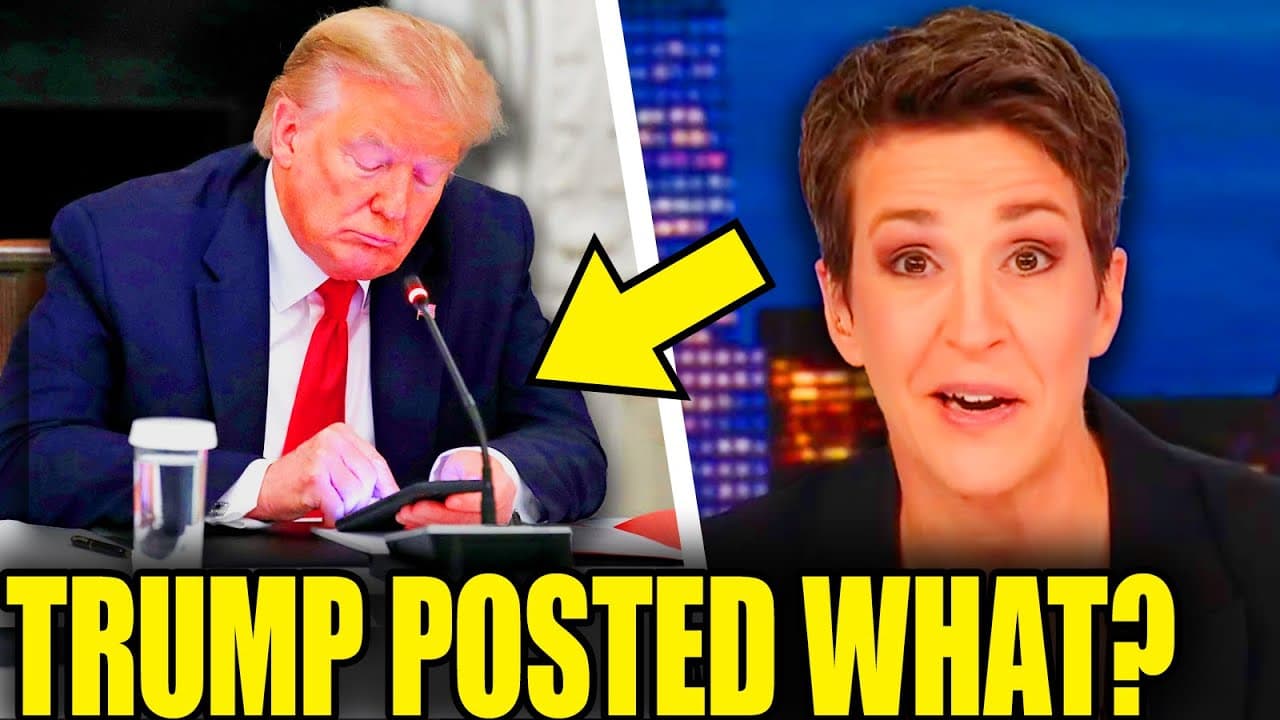
Trump THREATENS Liberal Host In INSANE Post As THIS Goes PUBLIC!
TL;DR
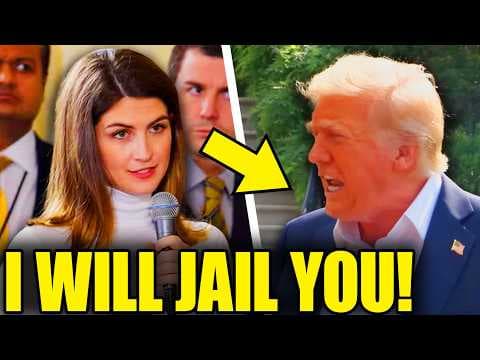
Trump threatens media as federal control over DC increases.
Transcript
Read and summarize the transcript of this video on Glasp Reader (beta).
Key Insights
- Donald Trump is increasingly targeting the media as he faces mounting bad press, particularly from MSNBC hosts.
- Trump's decision to deploy the National Guard in Washington DC raises questions about his motives, given the city's declining crime rates.
- Critics argue that Trump's actions in DC are more about exerting federal power than addressing crime, especially in a city with a 30-year low in violence.
- Trump's handling of the CDC shooting incident contrasts sharply with his military response in DC, suggesting selective application of 'tough on crime' rhetoric.
- The deployment of military forces in domestic settings, such as Los Angeles, has sparked concern among military personnel about their roles as occupiers.
- Trump's perceived cognitive decline and erratic behavior are highlighted by his critics, who cite examples of his international and domestic blunders.
- The media's portrayal of Trump's actions is seen as part of a broader narrative of distraction from his administration's failures.
- Political figures like Gavin Newsome are urging Democrats to actively counter Trump's actions rather than dismiss them as typical behavior.
Install to Summarize YouTube Videos and Get Transcripts
Explore YouTube Video Summarizer or Get YouTube Transcript Extractor
Questions & Answers
Q: What prompted Donald Trump to target MSNBC hosts?
Donald Trump's targeting of MSNBC hosts seems to be a reaction to the negative press he has received, especially from these media figures. His actions appear to be part of a broader strategy to deflect attention from his own challenges and to undermine those who are critical of his administration. This includes a specific focus on hosts like Rachel Maddow, who have been vocal in critiquing his policies and actions.
Q: Why did Trump deploy the National Guard in Washington DC?
Trump's deployment of the National Guard in Washington DC is officially justified as a measure to combat crime. However, critics argue that it is more about asserting federal control and demonstrating power, especially given the city's low crime rates. The move has raised concerns about the militarization of domestic spaces and the potential for federal overreach.
Q: How does Trump's response to the CDC shooting differ from his actions in DC?
The CDC shooting, which involved over 180 shots fired, received little to no direct response from Trump, contrasting sharply with his decision to send the National Guard to DC. This disparity suggests a selective approach to crime and security, where actions are more politically motivated than driven by genuine concern for public safety.
Q: What concerns have been raised about military deployments in domestic settings?
Military deployments in domestic settings, such as in Los Angeles and Washington DC, have sparked significant concern. Many military personnel have expressed discomfort with the idea of being used as armed occupiers against American civilians. This sentiment is reflected in increased calls to the GI rights hotline, where service members voice their objections to these deployments.
Q: What role does media portrayal play in Trump's strategy?
Media portrayal is a critical element in Trump's strategy, as he often uses attacks on the media to divert attention from his administration's shortcomings. By framing media figures as enemies, Trump attempts to rally his base and discredit those who challenge his narrative. This tactic is part of a broader effort to control the political discourse and maintain support.
Q: How are political figures responding to Trump's recent actions?
Political figures, particularly within the Democratic Party, are increasingly calling for a proactive response to Trump's actions. Leaders like Gavin Newsome emphasize the need to actively counter Trump's tactics rather than dismiss them as typical behavior. This includes advocating for policies and strategies that directly address and challenge Trump's decisions and rhetoric.
Q: What is the significance of Trump's cognitive state in the current political climate?
Trump's cognitive state is a point of concern for many observers, who cite instances of erratic behavior and decision-making. This perceived decline is significant as it impacts his ability to govern effectively and respond to crises. Critics argue that it underscores the need for vigilant oversight and accountability from both the media and political leaders.
Q: How does Trump's approach to crime and security reflect broader political narratives?
Trump's approach to crime and security, particularly his use of military force in domestic settings, reflects broader political narratives of power and control. While he publicly emphasizes a 'tough on crime' stance, his actions often appear politically motivated, aimed at consolidating power and distracting from other issues. This approach challenges traditional notions of law and order and raises questions about the role of federal authority in local matters.
Summary & Key Takeaways
-
Donald Trump's recent actions, including threats against media figures and deploying the National Guard in Washington DC, are viewed as attempts to distract from negative press and assert federal control. Critics question the necessity of these moves, especially given DC's declining crime rates.
-
The contrast between Trump's response to the CDC shooting and his military deployment in DC highlights inconsistencies in his 'tough on crime' stance. Observers argue that these actions are more about power projection than genuine concern for public safety.
-
Amid concerns about Trump's cognitive state, political commentators emphasize the importance of addressing his actions head-on. Figures like Gavin Newsome advocate for proactive resistance to Trump's tactics, urging Democrats to take a stronger stand.
Read in Other Languages (beta)
Share This Summary 📚
Summarize YouTube Videos and Get Video Transcripts with 1-Click
Try YouTube Summary with ChatGPT & Claude or YouTube Transcript Generator
Explore More Summaries from Jack Cocchiarella 📚
Summarize YouTube Videos and Get Video Transcripts with 1-Click
Try YouTube Summary with ChatGPT & Claude or YouTube Transcript Generator