Which Social Media Metrics Matter Most?
TL;DR
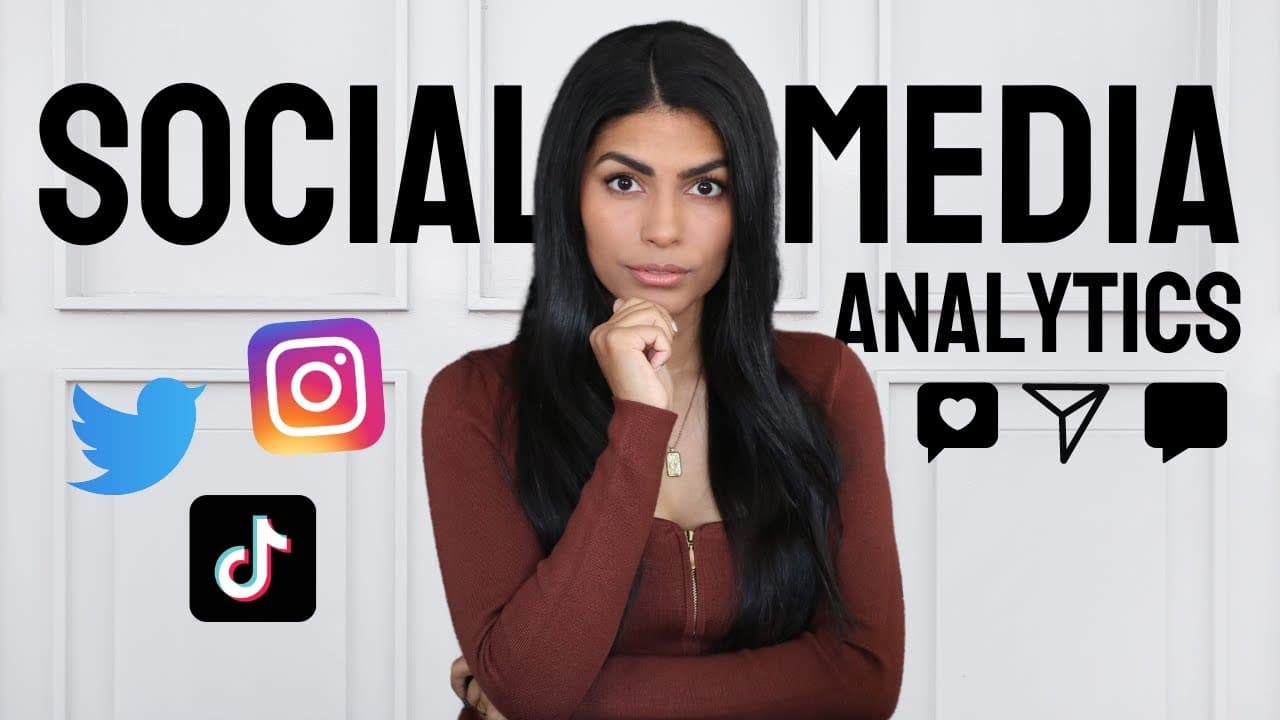
The most important social media metrics depend on your business goals. For customer service, focus on brand sentiment; for e-commerce, track clicks and conversions. Growth isn't always better; prioritize meaningful metrics over vanity ones. Tailor your strategy to your specific objectives, whether it's awareness, engagement, or sales.
Transcript
I know that you know that you should be posting on social media, that you should be getting more followers, getting more engagements, but do you know why do you know the actual impact social media is having on your business outside of simply pleasing the algorithm, whatever that really means. What does getting a bunch of likes and a bunch of follow... Read More
Key Insights
- Social media metrics should align with business goals; airlines focus on customer service, while e-commerce focuses on sales.
- Brand awareness metrics include follower count, reach, and impressions, which help gauge visibility and interest.
- Engagement metrics such as likes, comments, shares, and saves indicate audience interaction and content value.
- Likes are the lowest engagement indicator, while comments and shares suggest higher audience interest and content quality.
- High impressions with low engagement may indicate targeting or messaging issues in social media strategy.
- Conversion metrics focus on driving traffic to a website, with clicks leading to sales or other desired actions.
- Vanity metrics, like follower count, may look impressive but don't always translate to business success.
- Tailor social media strategies to target the right audience, ensuring alignment with business objectives and customer demographics.
Install to Summarize YouTube Videos and Get Transcripts
Explore YouTube Video Summarizer or Get YouTube Transcript Extractor
Questions & Answers
Q: How do social media metrics align with business goals?
Social media metrics should reflect the specific objectives of a business. For instance, airlines might focus on customer service and brand sentiment metrics, while e-commerce businesses prioritize sales-related metrics like clicks and conversions. Understanding the role of social media in the business helps determine which metrics to track for success.
Q: What are awareness metrics in social media?
Awareness metrics in social media include follower count, reach, and impressions. These metrics help gauge how visible a brand is and how many people are aware of its content. Follower count indicates interest in regular updates, while reach and impressions show how far content spreads and how often it's seen, respectively.
Q: Why are engagement metrics important?
Engagement metrics, such as likes, comments, shares, and saves, are important because they indicate how audiences interact with content. These metrics reflect the level of interest and value that users find in the content. Higher engagement suggests that the content resonates well with the audience, potentially leading to stronger brand loyalty and advocacy.
Q: What is the difference between reach and impressions?
Reach refers to the number of unique accounts that have seen a post, while impressions count the total number of times the post has been viewed, including multiple views by the same account. Impressions are usually higher than reach, indicating repeated exposure to the content, which can be useful for assessing the effectiveness of advertising campaigns.
Q: How can vanity metrics be misleading?
Vanity metrics, like follower count, can be misleading if they don't translate to business success. They may inflate perceived popularity without contributing to meaningful outcomes like sales or engagement. Businesses should focus on metrics that align with their specific goals, ensuring that growth is both meaningful and impactful for their bottom line.
Q: What should businesses focus on for conversion metrics?
For conversion metrics, businesses should focus on tracking clicks that lead to desired actions, such as purchases or sign-ups. This involves analyzing traffic driven to websites from social media and ensuring that the audience is correctly targeted. Conversions indicate the effectiveness of social media strategies in turning interest into tangible business results.
Q: How can businesses tailor social media strategies?
Businesses can tailor social media strategies by understanding their audience demographics and aligning content with business objectives. This involves choosing the right platforms, creating relevant content, and targeting the appropriate audience. Adjusting strategies based on metrics analysis ensures that social media efforts are effective and contribute to achieving business goals.
Q: Why is it important to align social media metrics with customer demographics?
Aligning social media metrics with customer demographics ensures that the content reaches the intended audience, increasing the likelihood of achieving business objectives. Understanding the audience's age, interests, and behaviors helps tailor content and platform choices, ensuring that social media efforts resonate with the right people and drive desired outcomes like engagement and sales.
Summary & Key Takeaways
-
Social media metrics vary by business type; airlines prioritize customer service metrics, while e-commerce focuses on sales. Awareness metrics like reach and impressions gauge visibility, while engagement metrics like comments and shares indicate audience interaction. Conversion metrics, such as clicks, are crucial for driving sales.
-
Vanity metrics, such as follower count, can be misleading if not aligned with business goals. Meaningful growth focuses on metrics that impact the bottom line. Tailoring social media strategies to target the right audience is essential for achieving business objectives.
-
Effective social media strategies depend on understanding which metrics to prioritize based on specific goals. Awareness, engagement, and conversion metrics each serve different purposes, and businesses should focus on those that align with their objectives to drive meaningful results.
Read in Other Languages (beta)
Share This Summary 📚
Summarize YouTube Videos and Get Video Transcripts with 1-Click
Try YouTube Summary with ChatGPT & Claude or YouTube Transcript Generator
Explore More Summaries from Latasha James 📚






Summarize YouTube Videos and Get Video Transcripts with 1-Click
Try YouTube Summary with ChatGPT & Claude or YouTube Transcript Generator