Why Egypt Built an Olympic City Without the Olympics
TL;DR
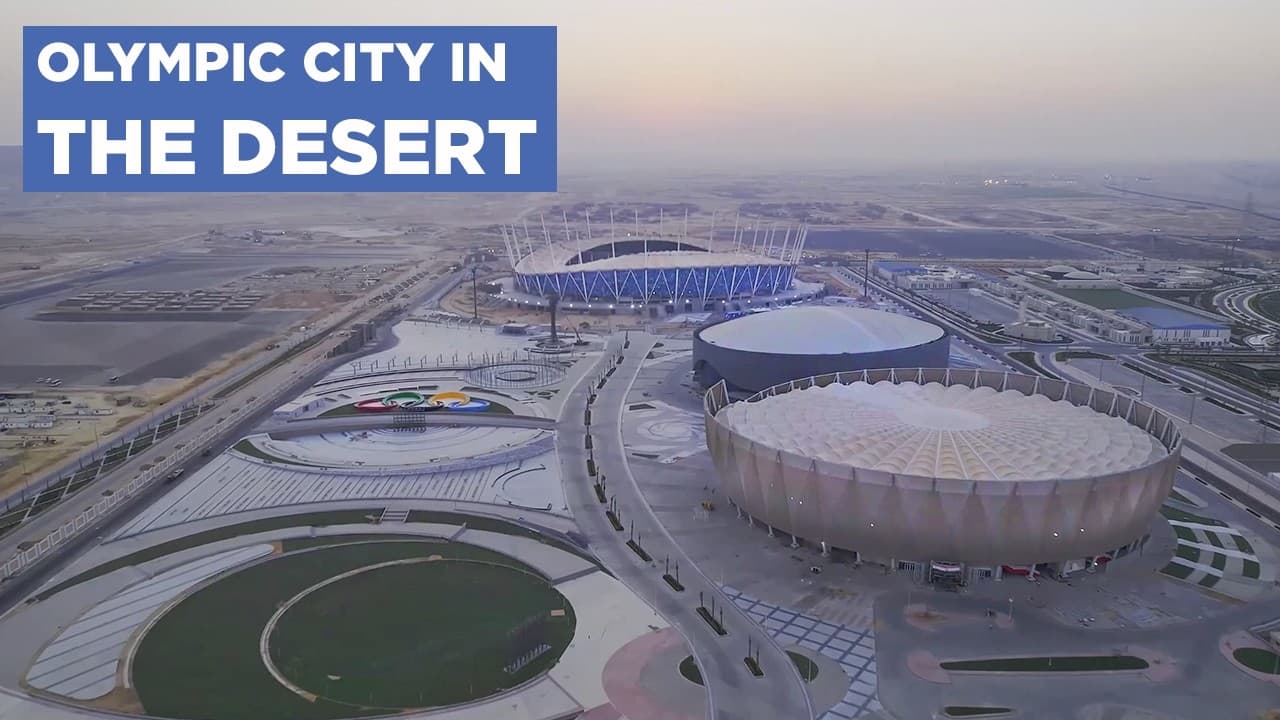
Egypt builds Olympic City without hosting the Olympics.
Transcript
Read and summarize the transcript of this video on Glasp Reader (beta).
Key Insights
- Egypt has constructed a massive Olympic City in its New Administrative Capital, despite not yet securing an Olympic bid.
- The Olympic City includes various sports facilities, making it the largest sporting complex in Africa.
- Egypt's financial situation is challenging, with significant borrowing and economic pressures.
- The Olympic City is part of Egypt's broader strategy to address overcrowding in Cairo by developing a new capital city.
- Egypt aims to host the first Olympic Games in Africa, which could be transformative for the continent.
- The Olympic City is designed with sustainability in mind, crucial for winning a future Olympic bid.
- Hosting the Olympics is costly, with past events like Beijing 2008 costing up to $40 billion.
- Egypt's new stadium features a unique design inspired by ancient Egyptian architecture, showcasing the nation's engineering prowess.
Install to Summarize YouTube Videos and Get Transcripts
Explore YouTube Video Summarizer or Get YouTube Transcript Extractor
Questions & Answers
Q: Why is Egypt building an Olympic City without hosting the Olympics?
Egypt is constructing the Olympic City as part of its broader strategy to secure an Olympic Games in the future. By building the necessary infrastructure in advance, Egypt aims to strengthen its bid and demonstrate its capability to host such a large-scale event, which could bring significant economic and social benefits.
Q: What facilities are included in Egypt's Olympic City?
The Olympic City in Egypt includes a variety of sports facilities, such as a 93,000 capacity stadium, indoor arenas, a squash complex, swimming and diving pools, an equestrian club, tennis courts, shooting ranges, training pitches, and more. It also features a hospital, hotels, a commercial hub, and other amenities to support the complex.
Q: How does Egypt's financial situation impact its Olympic ambitions?
Egypt's financial situation is challenging, with high levels of borrowing and economic pressures. Despite this, the government is investing heavily in infrastructure projects like the Olympic City, hoping that hosting the Olympics will boost the economy and provide a return on investment through increased tourism and international recognition.
Q: What is the significance of hosting the first Olympics in Africa?
Hosting the first Olympics in Africa would be a landmark achievement, highlighting the continent's growing capabilities and infrastructure development. It would bring global attention to Africa, potentially inspiring further investment and development in the region, and providing economic, social, and cultural benefits to the host nation.
Q: How does the design of the new stadium reflect Egyptian culture?
The design of the new stadium is inspired by ancient Egyptian architecture, specifically the headdress and necklace of Queen Nefertiti. This cultural reference is reflected in the stadium's roof design, which combines modern engineering with historical elements, showcasing Egypt's rich heritage and engineering prowess.
Q: What are the potential challenges of hosting the Olympics for Egypt?
Hosting the Olympics presents several challenges for Egypt, including the high costs of construction, maintenance, and event organization. Additionally, there is the risk of underutilization of facilities post-Olympics, which could lead to financial strain. Ensuring sustainability and long-term use of the infrastructure is crucial to overcoming these challenges.
Q: How does Egypt plan to address sustainability in its Olympic City?
Egypt plans to address sustainability by focusing on the long-term use of its Olympic City infrastructure. This includes designing facilities that can be repurposed or used for other events post-Olympics, reducing the need for new construction, and minimizing environmental impact. This approach is essential for securing an Olympic bid and ensuring financial viability.
Q: What impact could hosting the Olympics have on Egypt's economy?
Hosting the Olympics could significantly boost Egypt's economy by attracting international tourists, increasing global recognition, and stimulating investment in infrastructure and services. The event could also create jobs and drive development in related sectors, potentially transforming Egypt's economic landscape and positioning it as a leading destination for international events.
Summary & Key Takeaways
-
Egypt has ambitiously built an Olympic City in its New Administrative Capital, aiming to host the first African Olympics. Despite not yet securing a bid, the complex includes numerous sports facilities, highlighting Egypt's commitment to transforming its infrastructure and addressing Cairo's overcrowding.
-
The construction of Egypt's Olympic City is a strategic move to boost the country's global sporting profile. With a history of unsuccessful bids, Egypt hopes this development will finally secure an Olympic Games, bringing economic and social benefits to the nation.
-
Egypt faces financial challenges, with significant debt and economic pressures. However, the potential rewards of hosting the Olympics, including infrastructure improvements and international recognition, motivate the country to pursue this ambitious project.
Read in Other Languages (beta)
Share This Summary 📚
Summarize YouTube Videos and Get Video Transcripts with 1-Click
Try YouTube Summary with ChatGPT & Claude or YouTube Transcript Generator
Explore More Summaries from The B1M 📚




Summarize YouTube Videos and Get Video Transcripts with 1-Click
Try YouTube Summary with ChatGPT & Claude or YouTube Transcript Generator