How Can House Hacking Help You Get Out of Debt?
TL;DR
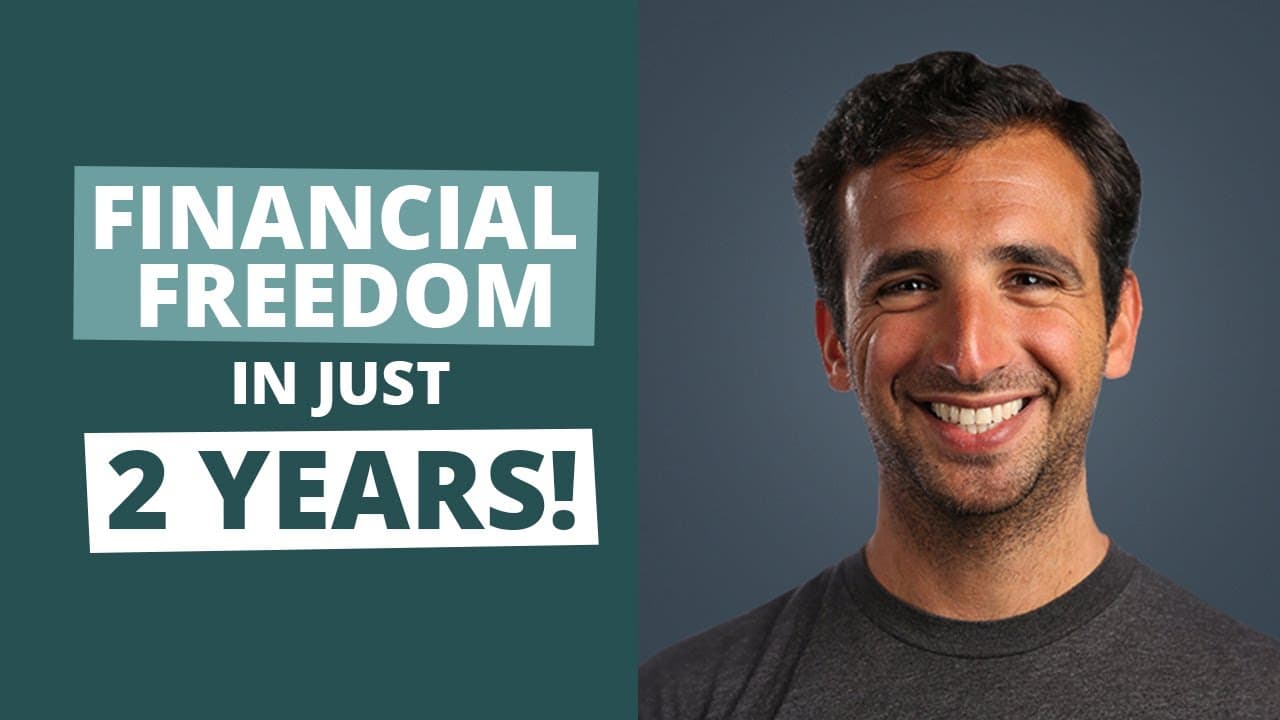
House hacking helps individuals reduce living expenses and achieve financial freedom by buying a property, living in part of it, and renting out other spaces to cover costs. Craig Curelop shares his experience of overcoming $30K debt and reaching financial independence through this strategy, which leverages low down payments and multiple income-generating arrangements such as renting rooms or basements.
Transcript
this is real estate rookie episode 195. and so you need to look at the house with the proper layout so that you can separate the upstairs and downstairs for example there's many houses in the denver area where the side door that is like right where the stairs are to go downstairs so all you have to do is like put a little wall up or put a little do... Read More
Key Insights
- House hacking involves buying a property, living in part of it, and renting out the rest to cover the mortgage, making it a low-risk entry into real estate investing.
- Craig Curelop achieved financial independence in under three years by house hacking, starting with minimal funds and leveraging low down payment loans.
- Different house hacking strategies include renting out spare bedrooms, basements, or separate units, offering flexibility depending on property layout and personal comfort.
- House hacking is advantageous due to its low initial investment requirement and the potential for high returns, but it requires managing tenants and maintaining the property.
- Screening tenants is crucial in house hacking, with credit checks and background checks being essential to ensure a harmonious living arrangement.
- Despite market changes, house hacking remains a viable strategy due to the constant demand for affordable housing and the ability to adapt to various market conditions.
- Craig emphasizes the importance of a supportive team, including a real estate agent familiar with house hacking, to guide new investors through the process.
- House hacking can lead to financial independence by reducing living expenses, increasing cash flow, and allowing for property appreciation and equity growth.
Install to Summarize YouTube Videos and Get Transcripts
Explore YouTube Video Summarizer or Get YouTube Transcript Extractor
Questions & Answers
Q: What is house hacking and how does it work?
House hacking involves purchasing a one to four-unit property with a low down payment, living in one part, and renting out the rest to cover the mortgage. This strategy allows for reduced living expenses and increased cash flow, making it an effective entry point for new real estate investors.
Q: Why is house hacking a good strategy for new investors?
House hacking is ideal for new investors because it requires a low initial investment, offers high returns, and provides a practical way to learn property management. By living in the property, investors can closely monitor and manage their investment, reducing risk and gaining valuable experience.
Q: What are some common house hacking strategies?
Common house hacking strategies include renting out spare bedrooms, converting basements into rental units, or purchasing multi-family properties to live in one unit while renting out the others. Each approach offers different levels of privacy and income potential, allowing investors to choose based on their comfort and financial goals.
Q: What are the potential disadvantages of house hacking?
The main disadvantages of house hacking include the need to manage tenants, maintain the property, and potentially share living spaces with renters. It requires time and effort to ensure a harmonious living environment and to address any issues promptly, which can be challenging for some investors.
Q: How can investors effectively screen tenants for a house hack?
Investors can effectively screen tenants by conducting credit checks, background checks, and verifying employment and landlord references. Setting clear house rules and maintaining open communication helps ensure a good fit and minimizes potential conflicts, creating a positive living experience for both the landlord and tenants.
Q: Is house hacking still viable in today's market?
Yes, house hacking remains viable in today's market due to the ongoing demand for affordable housing and the ability to adapt to various economic conditions. Different house hacking strategies offer flexibility, and the approach can be tailored to suit market changes, ensuring continued profitability and financial growth.
Q: What role does a real estate agent play in house hacking?
A real estate agent familiar with house hacking is crucial for guiding new investors through the process. They provide valuable insights into suitable properties, connect investors with house hack-friendly lenders, and offer advice on navigating local regulations, making them an essential part of the investment team.
Q: How can house hacking lead to financial independence?
House hacking can lead to financial independence by significantly reducing living expenses, generating cash flow, and allowing for property appreciation and equity growth. By reinvesting profits and scaling up with additional properties, investors can build a portfolio that supports their financial goals and provides long-term stability.
Summary & Key Takeaways
-
Craig Curelop discusses how he transitioned from a disliked W-2 job to financial freedom through house hacking, a strategy that involves living in part of a property while renting out the rest to cover expenses.
-
House hacking offers various approaches, such as renting out rooms, basements, or separate units, providing flexibility and high potential returns with minimal initial investment, despite requiring tenant management.
-
Craig highlights the importance of a knowledgeable real estate team and effective tenant screening, emphasizing that house hacking remains a viable path to financial independence, adaptable to market changes.
Read in Other Languages (beta)
Share This Summary 📚
Summarize YouTube Videos and Get Video Transcripts with 1-Click
Try YouTube Summary with ChatGPT & Claude or YouTube Transcript Generator
Explore More Summaries from Real Estate Rookie 📚





Summarize YouTube Videos and Get Video Transcripts with 1-Click
Try YouTube Summary with ChatGPT & Claude or YouTube Transcript Generator