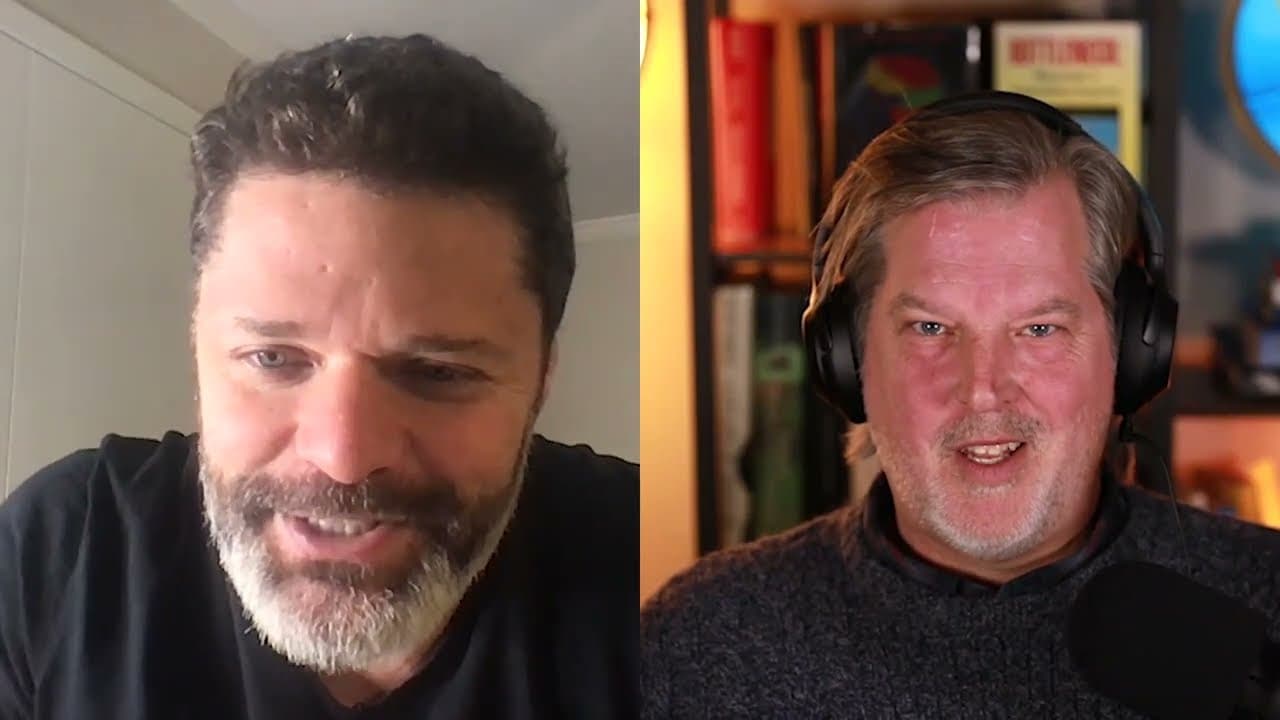
Daniel Schmachtenberger “Bend Not Break Part 1: Energy Blindness” | The Great Simplification #05
TL;DR
Energy drives civilization; we must prepare for a post-growth economy.
Transcript
today's conversation is with my friend and colleague daniel schmucktenberger daniel and i met a couple years ago turns out he's working on what he refers to as the meta crisis how climate and geopolitics and artificial intelligence and everything fit together into this collective of risks i had never heard of him and he had never he... Read More
Key Insights
- Daniel Schmachtenberger and Nate Hagens discuss the concept of 'energy blindness,' emphasizing the critical role of energy in driving human progress and the economy.
- The conversation highlights the overlooked importance of energy and materials in the human ecosystem, challenging the dominant narrative that prioritizes capital and labor.
- Nate explains how the current growth economy inevitably leads to increased energy production and consumption, posing risks to sustainability.
- Renewable energy technologies, while promising, often result in more energy output rather than less, due to the embedded growth obligation in the economy.
- The discussion introduces the concept of humans functioning as an 'energy hungry superorganism,' driven by market forces and growth imperatives.
- Nate suggests that a post-growth economy is inevitable, requiring a shift in cultural values and economic policies to prioritize well-being over GDP.
- The potential for a 'bend not break' approach is explored, emphasizing the need for advanced policy planning to navigate future constraints.
- Daniel and Nate discuss the importance of maintaining balance in the face of existential crises, highlighting the role of community, nature, and meaningful connections.
Install to Summarize YouTube Videos and Get Transcripts
Explore YouTube Video Summarizer or Get YouTube Transcript Extractor
Questions & Answers
Q: What is the main focus of Daniel Schmachtenberger's work?
Daniel Schmachtenberger's main focus is on addressing the meta crisis, which involves understanding how climate, geopolitics, artificial intelligence, and other factors collectively pose risks to humanity. He aims to create a mature civilization that can safely steward exponential technology and address global catastrophic risks.
Q: How does Nate Hagens describe the role of energy in human progress?
Nate Hagens emphasizes that energy is fundamental to nature and human progress. He explains that energy is the currency of life, and human systems have evolved to capture energy surplus for an evolutionary advantage. This surplus underpins economic growth and development, making energy a critical component in understanding modern human ecosystems.
Q: What is the concept of 'energy blindness' discussed in the video?
Energy blindness refers to the oversight of energy's critical role in driving the economy and human progress. While capital and labor are often highlighted, the omission of energy and materials leaves out a key component in understanding the functioning of the modern human ecosystem. This blindness can lead to unsustainable growth and consumption patterns.
Q: What challenges do renewable energy technologies face according to the discussion?
Renewable energy technologies, while promising, face challenges in replacing fossil fuels due to their intermittent nature and lower energy return on investment. The conversation highlights that renewables often result in more energy output rather than less, due to the embedded growth obligation in the economy, making it difficult to achieve true sustainability.
Q: How does the concept of a 'superorganism' relate to human civilization?
The concept of a 'superorganism' describes how humans collectively function as an energy-hungry entity driven by market forces and growth imperatives. This perspective suggests that individual actions and decisions are influenced by a larger system that prioritizes energy consumption and economic growth, often at the expense of sustainability.
Q: What is the 'bend not break' approach discussed in the video?
The 'bend not break' approach emphasizes preparing for a post-growth economy by anticipating future constraints and developing advanced policy planning. This approach seeks to avoid catastrophic outcomes by steering society towards sustainable practices and redefining cultural values to prioritize well-being over GDP and material consumption.
Q: What role does culture play in addressing the challenges discussed?
Culture plays a crucial role in addressing the challenges of energy consumption and sustainability. The discussion highlights the need for a shift in cultural values, moving away from GDP and material consumption towards well-being, social capital, and meaningful connections. This cultural transformation is essential for navigating future constraints and achieving a sustainable future.
Q: How can individuals maintain balance in the face of existential crises?
Individuals can maintain balance in the face of existential crises by fostering community, connecting with nature, and building meaningful relationships. The discussion emphasizes the importance of staying grounded and focused on what truly matters, rather than getting overwhelmed by the magnitude of global challenges. This balance is crucial for personal well-being and effective action.
Summary & Key Takeaways
-
Daniel Schmachtenberger and Nate Hagens explore the concept of 'energy blindness' and its implications for human civilization. They discuss how energy, often overlooked, is a critical driver of the economy and human progress, alongside capital and labor.
-
The conversation highlights the challenges of a growth economy, which inevitably leads to increased energy production and consumption. They explore the limitations of renewable energy technologies and the concept of humans as an 'energy hungry superorganism.'
-
Nate suggests that a post-growth economy is inevitable, requiring a shift in cultural values and economic policies. The discussion emphasizes the importance of advanced policy planning and maintaining balance in the face of existential crises.
Read in Other Languages (beta)
Share This Summary 📚
Summarize YouTube Videos and Get Video Transcripts with 1-Click
Try YouTube Summary with ChatGPT & Claude or YouTube Transcript Generator
Explore More Summaries from Nate Hagens 📚
Summarize YouTube Videos and Get Video Transcripts with 1-Click
Try YouTube Summary with ChatGPT & Claude or YouTube Transcript Generator