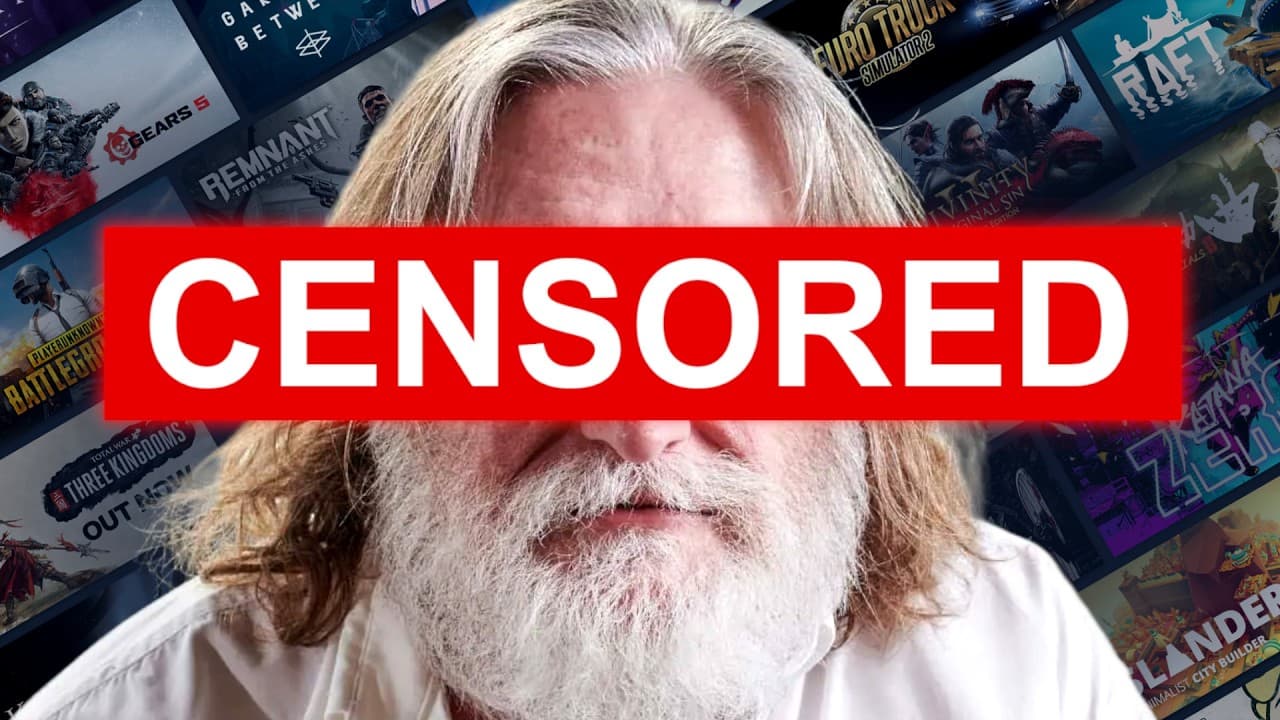
Valve Responds to Payment Processors' Censorship
TL;DR
Valve's new rule lets payment processors decide game availability on Steam.
Transcript
Read and summarize the transcript of this video on Glasp Reader (beta).
Key Insights
- Valve introduced Rule 15, allowing payment processors to decide which games can be sold on Steam instead of Valve making those decisions.
- The change was initiated due to pressure from payment processors and card companies, who threatened to withdraw their services.
- The issue arose from a campaign by Collective Shout, which targeted games with controversial content, leading to the removal of many games.
- Gamers are upset because Valve is no longer in full control of its platform, raising concerns about future censorship.
- Valve is offering app credits to developers whose games were removed, indicating possible disagreement with the new rule.
- The controversy highlights the power payment processors have over digital platforms and the potential for broader implications beyond gaming.
- Speculation exists that Valve might develop its own payment system, such as 'Valve Pay,' to regain control over its platform.
- The situation underscores the ongoing tension between content creators, platform operators, and external regulators over content moderation and censorship.
Install to Summarize YouTube Videos and Get Transcripts
Explore YouTube Video Summarizer or Get YouTube Transcript Extractor
Questions & Answers
Q: What is Rule 15 and why was it implemented?
Rule 15 is a new regulation on Steam that allows payment processors, card companies, and internet providers to determine which games can be sold on the platform. It was implemented due to pressure from these entities, which threatened to withdraw their services if Valve did not comply, potentially crippling Steam's ability to process payments.
Q: Who is Collective Shout and what role did they play in this controversy?
Collective Shout is a women's group that campaigned against games with controversial content on Steam. They sent letters to payment processors, urging them to take action against such games, which led to the implementation of Rule 15. Their actions have been celebrated by the group, but criticized by many gamers who view it as an overreach.
Q: Why are gamers upset about Valve's new rule?
Gamers are upset because Rule 15 effectively removes Valve's control over which games can be sold on its platform, placing that power in the hands of payment processors. This raises concerns about potential censorship and the future availability of games that might be deemed controversial by these external entities.
Q: How has Valve responded to the backlash from the gaming community?
Valve has responded by offering app credits to developers whose games were removed, allowing them to upload new games for free. This gesture suggests that Valve may not fully agree with the new rule and is attempting to mitigate the impact on developers while navigating the constraints imposed by payment processors.
Q: What are the broader implications of this situation for digital platforms?
The situation highlights the significant influence payment processors have over digital platforms, raising concerns about their ability to dictate content availability. It underscores the potential for broader censorship across industries, as these entities can impact what consumers can access and purchase online, extending beyond the gaming sector.
Q: Is Valve considering any alternative solutions to address this issue?
There is speculation that Valve may develop its own payment system, such as 'Valve Pay,' to regain control over its platform. This would allow Valve to bypass the influence of traditional payment processors and maintain autonomy over the content available on Steam, although no official plans have been announced.
Q: What does the offering of app credits to developers signify about Valve's position?
The offering of app credits to developers signifies that Valve may not fully agree with the new rule imposed by payment processors. By allowing developers to upload new games for free, Valve is showing support for the affected developers and indicating a possible internal disagreement with the current situation.
Q: What potential future developments could arise from this controversy?
Potential future developments include Valve creating its own payment processing system to regain control over its platform. Additionally, there could be increased scrutiny and debate over the power of payment processors in regulating content on digital platforms, potentially leading to new industry standards or regulatory measures to balance control.
Summary & Key Takeaways
-
Valve has implemented Rule 15, allowing payment processors to influence which games can be sold on Steam, a move stemming from pressure by these companies. This has led to the removal of several games, sparking controversy among gamers who are concerned about censorship and loss of Valve's control over its platform.
-
Collective Shout's campaign against certain games prompted the rule change, leading to a significant reduction in games with controversial themes. Valve's decision to offer app credits to affected developers suggests they may not fully support the new rule, hinting at potential internal disagreement.
-
The situation raises broader questions about the influence of payment processors on digital platforms and the extent of their power in determining available content. Valve may consider developing its own payment system to counteract this influence, reflecting the complex dynamics of content moderation in the gaming industry.
Read in Other Languages (beta)
Share This Summary 📚
Summarize YouTube Videos and Get Video Transcripts with 1-Click
Try YouTube Summary with ChatGPT & Claude or YouTube Transcript Generator
Explore More Summaries from Water CS2 📚
Summarize YouTube Videos and Get Video Transcripts with 1-Click
Try YouTube Summary with ChatGPT & Claude or YouTube Transcript Generator