What Are Volcanoes and How Do They Erupt?
TL;DR
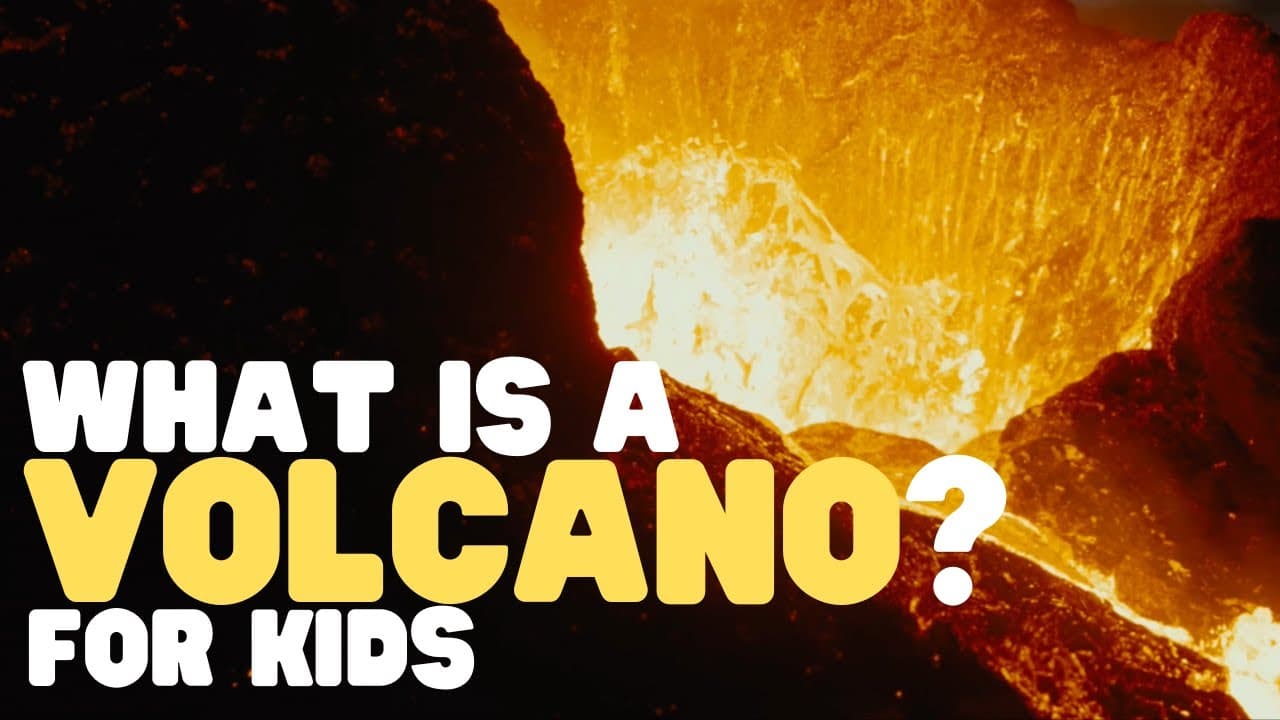
A volcano is a mountain formed by cooled lava and ash, resulting from eruptions of magma driven by gas pressure. There are 1,500 active volcanoes globally, with the largest being Mauna Loa in Hawaii. You can simulate a volcanic eruption using baking soda and vinegar to explore how real volcanoes work.
Transcript
Read and summarize the transcript of this video on Glasp Reader (beta).
Key Insights
- Volcanoes are mountains formed from cooled lava, ash, or other materials from previous eruptions, with over 1500 active globally.
- Magma, located beneath the Earth's surface, becomes lava once it erupts from a volcano due to pressure from gas bubbles.
- The Ring of Fire in the Pacific Ocean is a major location for volcanoes and earthquakes due to significant crustal movements.
- Volcanoes are categorized into three stages: extinct, dormant, and active, depending on their eruption history and potential.
- Mauna Loa in Hawaii is the world's largest active volcano, having last erupted in late 2022.
- The provided experiment simulates a volcanic eruption using household items like baking soda and vinegar to demonstrate volcanic processes.
- The experiment encourages observation and discussion about the similarities and differences between the model and real volcanoes.
- LearnBright offers additional resources and lesson plans for further exploration of volcanoes and other scientific topics.
Install to Summarize YouTube Videos and Get Transcripts
Explore YouTube Video Summarizer or Get YouTube Transcript Extractor
Questions & Answers
Q: What are the main components of a volcano?
A volcano primarily consists of cooled lava, ash, and other materials from previous eruptions. When magma, which is molten rock beneath the Earth's surface, erupts, it becomes lava. This process contributes to the growth of the volcano over time as the lava cools and solidifies.
Q: Where are most of the world's volcanoes located?
Most of the world's volcanoes are located along the Ring of Fire in the Pacific Ocean. This area is known for its high volcanic and earthquake activity due to significant movements of the Earth's crust. It is a major zone for tectonic activity, influencing the formation and eruption of volcanoes.
Q: How does a volcano erupt?
A volcano erupts when gas bubbles inside the magma expand, increasing pressure within the volcano. This pressure seeks an escape route through the Earth's crust, often finding weak spots. Once these spots are breached, magma escapes as lava, resulting in an eruption.
Q: What are the stages of a volcano?
Volcanoes are classified into three stages: extinct, dormant, and active. An extinct volcano hasn't erupted for thousands of years and is unlikely to erupt again. A dormant volcano hasn't erupted in a long time but could erupt in the future. An active volcano has recently erupted and may erupt again soon.
Q: What is the difference between magma and lava?
Magma is molten rock located beneath the Earth's surface, consisting of liquid or semi-liquid rock. When this magma erupts from a volcano, it is referred to as lava. The transformation from magma to lava occurs when it reaches the Earth's surface during an eruption.
Q: What was the purpose of the experiment in the video?
The experiment aimed to simulate a volcanic eruption using household materials like baking soda and vinegar. It demonstrated how pressure builds up and causes an eruption, similar to real volcanic activity. The experiment encouraged participants to observe and discuss the similarities and differences between the model and actual volcanoes.
Q: Why is the Ring of Fire significant?
The Ring of Fire is significant because it is a major area for volcanic and earthquake activity. This region experiences a lot of tectonic movements, contributing to the formation and eruption of many volcanoes. It is a crucial zone for studying geological processes and understanding Earth's dynamic crust.
Q: What resources does LearnBright offer for further learning?
LearnBright offers a wide range of educational resources, including lesson plans, activities, worksheets, and more, to enhance learning about volcanoes and other scientific topics. These resources are designed to engage students and provide comprehensive educational experiences, making learning interactive and enjoyable.
Summary & Key Takeaways
-
Volcanoes are formed from cooled lava and other materials, with over 1500 active worldwide. They erupt when magma, pressured by gas bubbles, escapes through the Earth's crust. The Ring of Fire is a significant area for volcanic activity.
-
Volcanoes can be extinct, dormant, or active, with Mauna Loa being the largest active one. A fun experiment simulates volcanic eruptions using simple materials, encouraging observations and discussions about real versus model volcanoes.
-
LearnBright provides educational resources for deeper exploration of volcanoes and other natural phenomena, offering lesson plans, activities, and more to enhance learning experiences for students.
Read in Other Languages (beta)
Share This Summary 📚
Summarize YouTube Videos and Get Video Transcripts with 1-Click
Try YouTube Summary with ChatGPT & Claude or YouTube Transcript Generator
Explore More Summaries from Learn Bright 📚




Summarize YouTube Videos and Get Video Transcripts with 1-Click
Try YouTube Summary with ChatGPT & Claude or YouTube Transcript Generator