What Is Privacy and Why Is It Important Today?
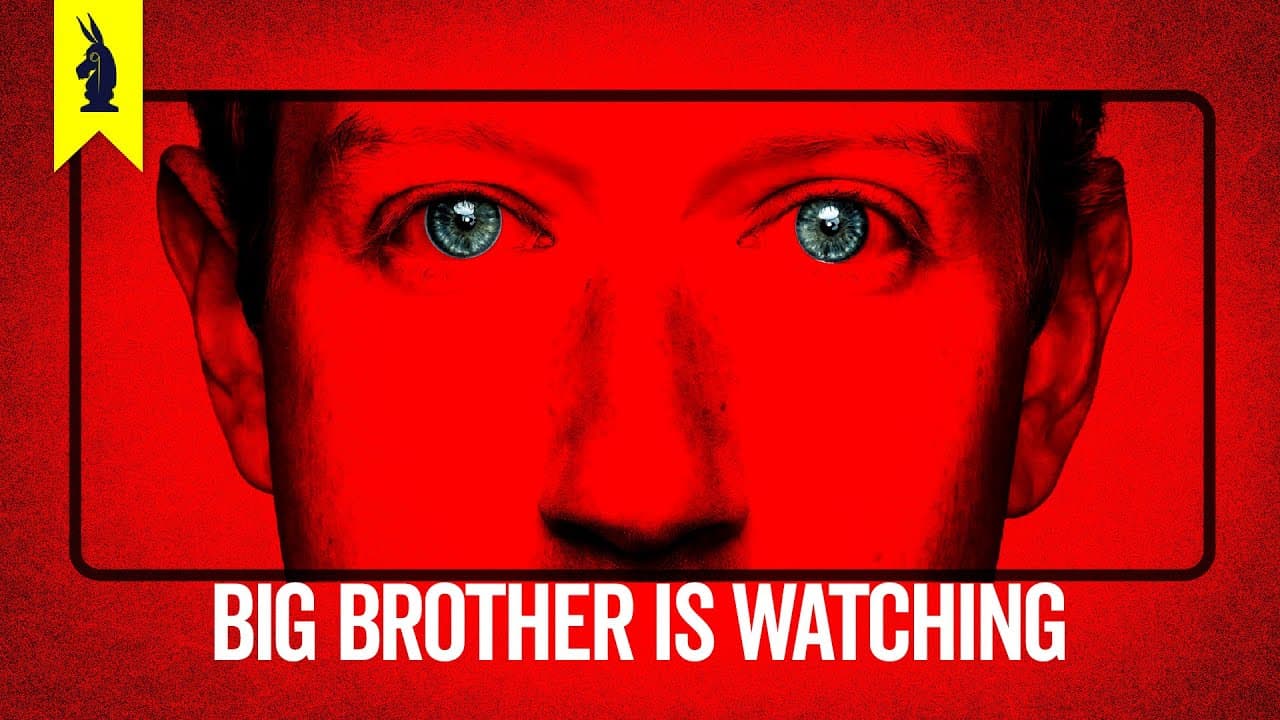
TL;DR
Privacy is the right to control personal information and is deeply rooted in concepts of property and ownership. Its significance has evolved, shaping modern legal frameworks and societal norms, particularly in liberal democracies where it supports individual identity and self-formation. The ongoing debate centers around the trade-offs between personal data sharing and technological access.
Transcript
this video is brought to you by raycon hey wisecrack michael here today we're going over a topic of concern to both big tech and big shrek what do i have to do to get a little play message yes privacy the answer to shrek's question is a little well complicated in our day and age do we uninstall tick tock sorry just had to wash my hands before getti... Read More
Key Insights
- 🗯️ Privacy's roots in property and ownership are foundational to modern understanding of data rights.
- 🇺🇸 The founding principles of the United States reflect a profound wariness of government intrusion into personal lives, influencing contemporary privacy laws.
- ❓ Fashioning effective privacy protections must consider both historical legal precedents and current societal norms, including the influence of technology.
- 👋 Privacy is not universally considered a good; it can also facilitate abuse and oppression when left unchecked, challenging its absolute defense.
- 🤳 The intersection of privacy with individual identity is crucial for self-formation, particularly in democratic societies where personal beliefs and values should have room to develop.
- 💁 Technological advancements necessitate a re-evaluation of privacy laws, reflecting the rapid changes in how personal information is collected and used.
- 💁 GDPR represents a significant milestone in privacy advocacy, emphasizing the need for transparency and informed consent in data management.
Install to Summarize YouTube Videos and Get Transcripts
Explore YouTube Video Summarizer or Get YouTube Transcript Extractor
Questions & Answers
Q: What is the historical origin of the concept of privacy?
The concept of privacy likely originates from the distinction between property and communal belonging, as seen in ancient Greece. Philosophers like Aristotle discussed the public (polis) and private (oikos) spheres, suggesting that ownership of personal spaces and belongings is foundational to understanding privacy. This division is critical for modern discussions about individual rights concerning data and surveillance.
Q: How did the founding fathers of the United States view privacy?
The founding fathers were deeply concerned about government intrusion into personal lives, which was a reaction to British practices. They emphasized privacy in the Constitution through amendments that protect citizens against unreasonable searches and seizures, reflecting their belief in the importance of individual rights and the sanctity of personal space in a democracy.
Q: What significant changes to the understanding of privacy occurred in the late 19th century?
In 1890, Samuel Warren and Louis Brandeis published "The Right to Privacy," which argued for the protection of not just physical property but also intangible aspects of personal life. Their work highlighted concerns about the impact of rapid urbanization and media on private lives, advocating for legal recognition of personal privacy rights in response to societal changes.
Q: What are some arguments against privacy?
Critics like Jeremy Bentham and feminist theorists argue that privacy can enable oppressive dynamics and abuses of power. They contend that the personal realm often intersects with social and political issues, suggesting that protecting privacy without oversight can lead to harmful practices being concealed, thus complicating the notion of privacy as an unequivocal good.
Q: Why is privacy considered essential for individual identity?
Legal scholar Julie Cohen argues that privacy plays a key role in fostering individual identity and self-exploration. It allows people to develop their opinions, values, and self-worth without external judgment, creating a critical space for personal growth that is necessary for participating fully in a democratic society.
Q: How do modern technologies and privacy concerns intersect?
Modern technologies often require access to personal data for functionality, creating a complex relationship where individuals trade privacy for convenience and connection. This creates a dilemma, as people may share sensitive information for social media access, highlighting the need for a balance between technological benefits and personal privacy rights.
Q: What regulatory measures have been taken to address privacy concerns?
The General Data Protection Regulation (GDPR) in the European Union is a significant step toward enhancing privacy protection. It requires companies to disclose data collection practices, aiming to give individuals greater control over their personal information in response to rising concerns about privacy in the digital age.
Q: Where is the debate on privacy headed in the future?
As technology evolves, the privacy debate is expected to intensify, focusing on finding the balance between data sharing for technological advancement and protecting individual rights. The ongoing dialogue will likely encompass legal, ethical, and social aspects of privacy, emphasizing the importance of informed consent in data collection practices and personal information management.
Summary & Key Takeaways
-
The concept of privacy has roots in ancient ideas of property and ownership, where public and private spheres were defined. This division underpins modern discussions about online data ownership and privacy rights.
-
Privacy has legal and philosophical implications, highlighting the tension between individual rights and societal expectations, particularly concerning surveillance and information sharing in liberal democracies.
-
The debate around privacy continues today, with challenges arising from the trade-off between personal data and access to technology, emphasizing the need for ongoing conversation about privacy in an increasingly connected world.
Read in Other Languages (beta)
Share This Summary 📚
Summarize YouTube Videos and Get Video Transcripts with 1-Click
Try YouTube Summary with ChatGPT & Claude or YouTube Transcript Generator