What the f*ck is happening in Rome..
TL;DR
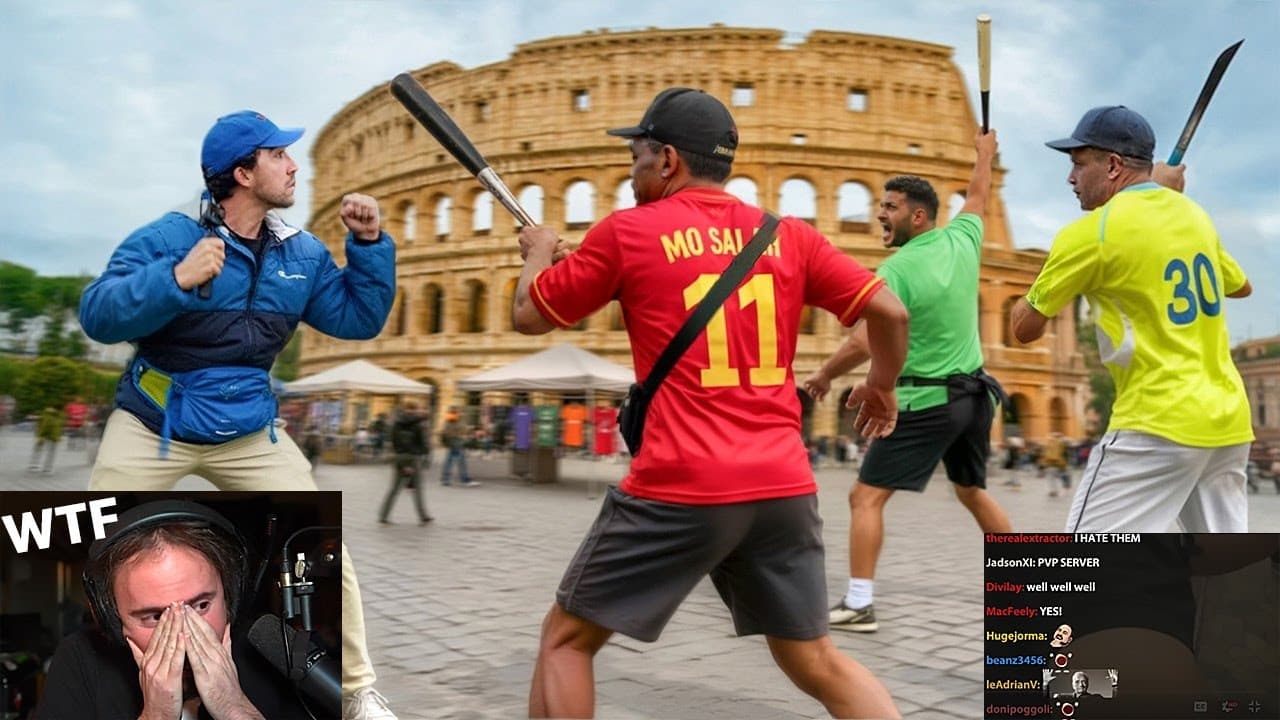
Video exposes street scams and crime in Rome's tourist areas.
Transcript
Read and summarize the transcript of this video on Glasp Reader (beta).
Key Insights
- The video highlights the prevalence of street scams in Rome, particularly around tourist hotspots like the Coliseum.
- Scammers often pose as friendly locals offering gifts, which they later demand payment for, creating uncomfortable confrontations.
- The video documents the lack of police presence and enforcement, allowing scammers to operate freely in busy tourist areas.
- A significant portion of the scams are conducted by organized groups, often involving multiple people to intimidate and confuse tourists.
- Pickpocketing is rampant in Rome, with scammers using various tactics to steal from unsuspecting tourists.
- The video discusses the cultural and legal challenges in addressing these scams, including issues with prosecution and enforcement.
- There is a notable frustration among tourists and locals about the lack of action from authorities to curb these scams.
- The video suggests that the internet and social media are playing a crucial role in raising awareness about these issues.
Install to Summarize YouTube Videos and Get Transcripts
Explore YouTube Video Summarizer or Get YouTube Transcript Extractor
Questions & Answers
Q: What are the common tactics used by scammers in Rome?
Scammers in Rome often pose as friendly locals who offer tourists free gifts, such as bracelets, only to demand payment afterward. They use tactics like intimidation and gathering in groups to pressure tourists into giving them money. Pickpocketing is also a common issue, with scammers using distraction techniques to steal from unsuspecting individuals.
Q: Why is there a lack of police enforcement against these scams?
The video suggests that there is a significant lack of police presence in tourist areas, which allows scammers to operate freely. This absence of enforcement is attributed to various factors, including legal challenges in prosecuting offenders and possible corruption or inefficiency within the local authorities.
Q: How do scammers intimidate their victims?
Scammers often work in groups, which allows them to intimidate their victims by surrounding them or creating a scene. They may use aggressive language or gestures to pressure tourists into complying with their demands. The presence of multiple scammers can make it difficult for tourists to refuse or escape the situation.
Q: What role does social media play in addressing these scams?
Social media plays a crucial role in raising awareness about the prevalence of scams in tourist areas like Rome. Videos and posts shared online can reach a wide audience, informing potential tourists about the risks and encouraging them to be vigilant. This increased awareness can also put pressure on local authorities to take action.
Q: What cultural challenges are mentioned in the video regarding these scams?
The video touches on cultural challenges, such as the perception of certain groups as being responsible for the scams. It also discusses how some scammers exploit cultural norms and legal loopholes to avoid prosecution. This creates a complex environment where addressing the issue requires sensitivity and a nuanced understanding of the local context.
Q: How do local businesses and residents feel about these scams?
Local businesses and residents express significant frustration with the ongoing scams, as they negatively impact the reputation of Rome as a tourist destination. Many locals are concerned about the safety and experience of tourists, and they feel that more should be done by authorities to address the problem effectively.
Q: What suggestions does the video offer for tourists to avoid scams?
The video suggests that tourists should be cautious of accepting 'free' gifts from strangers and remain vigilant in crowded areas where pickpocketing is common. It advises tourists to be aware of their surroundings, keep their belongings secure, and avoid engaging with individuals who approach them with unsolicited offers.
Q: What is the video creator's perspective on the issue?
The video creator expresses frustration with the lack of enforcement and the prevalence of scams in Rome. They highlight the need for greater awareness and action from authorities to protect tourists. The creator also emphasizes the role of social media in exposing these issues and encouraging change.
Summary & Key Takeaways
-
The video documents the widespread issue of street scams in Rome, focusing on how scammers target tourists near the Coliseum. It highlights the tactics used by scammers, such as offering fake gifts and demanding payment later.
-
A lack of police presence is evident, allowing scammers to operate with impunity. The video shows the frustration of tourists and locals, who feel helpless against the organized groups conducting these scams.
-
The video also touches on the broader cultural and legal challenges in addressing street crime in Rome, suggesting that increased awareness through social media could help drive change.
Read in Other Languages (beta)
Share This Summary 📚
Summarize YouTube Videos and Get Video Transcripts with 1-Click
Try YouTube Summary with ChatGPT & Claude or YouTube Transcript Generator
Explore More Summaries from Asmongold TV 📚






Summarize YouTube Videos and Get Video Transcripts with 1-Click
Try YouTube Summary with ChatGPT & Claude or YouTube Transcript Generator