How to Create a Simple Healthy Diet Plan
TL;DR
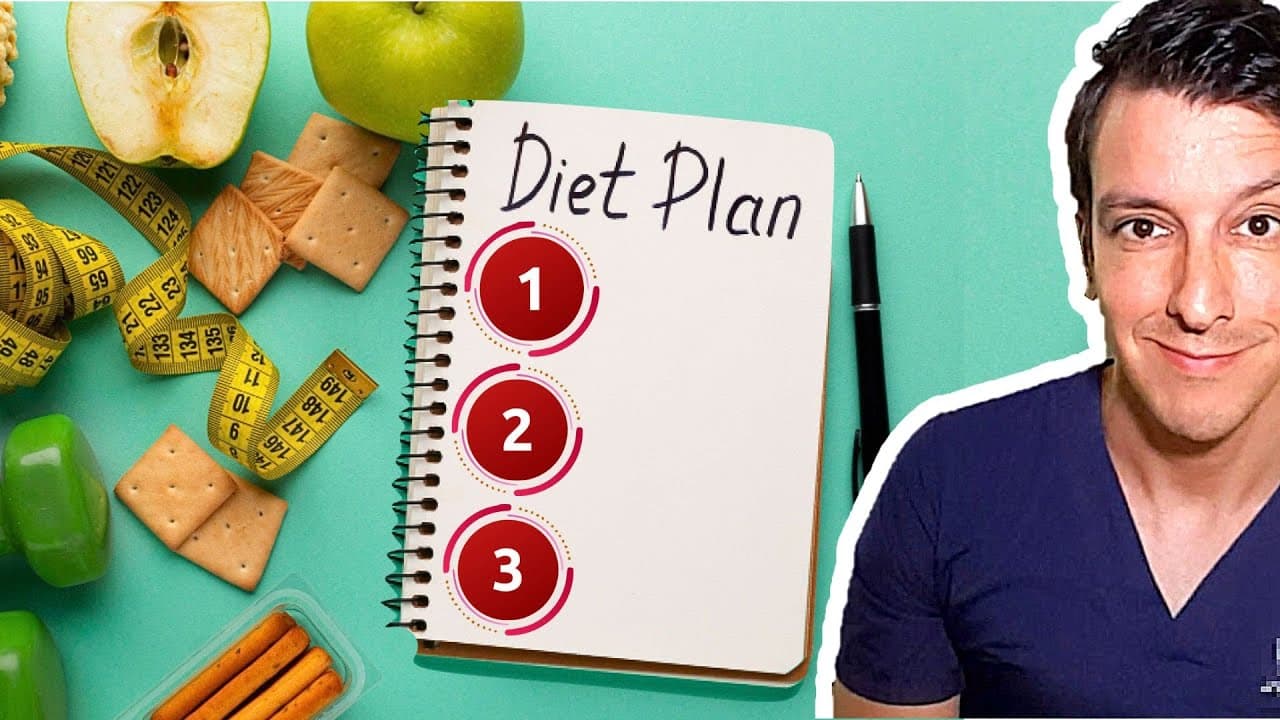
Eating a healthy diet is straightforward: cut out ultraprocessed foods, start with small changes, and avoid misleading diet trends. Replace sugary drinks and snacks with healthier options like water, nuts, and fruits. Gradually introduce new meals to find what is sustainable and enjoyable. Avoid the hype around 'superfoods' and focus on balanced nutrition.
Transcript
Why does eating a healthy diet have to be so complicated? Every week it's a different headline... people on social media, everybody says something different... Actually, vast majority of this is just distraction, eating a healthy diet is super simple, in fact we're about to cover it in three simple steps. Number one, cut the junk. Junk is a loa... Read More
Key Insights
- Cutting out ultraprocessed foods is crucial for a healthy diet.
- Start with small, sustainable changes to your meals each week.
- Avoid the hype around 'superfoods' and focus on balanced nutrition.
- Protein, vegetables, and whole grains should form the basis of meals.
- Eggs and gluten are generally safe unless specific conditions exist.
- Organic foods show no significant health advantage over conventional foods.
- Seed oils are beneficial and can be used as healthy cooking fats.
- Artificial sweeteners are healthier alternatives to sugary sodas.
Install to Summarize YouTube Videos and Get Transcripts
Explore YouTube Video Summarizer or Get YouTube Transcript Extractor
Questions & Answers
Q: How can I start eating healthier?
To start eating healthier, focus on cutting out ultraprocessed foods and replacing them with nutritious options like fruits, vegetables, and proteins. Begin by changing one meal a week to build sustainable habits. Avoid the hype around diet trends and focus on balanced nutrition that suits your lifestyle.
Q: What should a balanced meal include?
A balanced meal should include a protein source, vegetables, and whole grains or starches. Protein can come from animal or plant sources, while vegetables add essential nutrients and fiber. Whole grains or starches provide energy and can be tailored to personal taste and dietary goals.
Q: Are eggs and gluten safe to eat?
Eggs and gluten are generally safe for most people. Eggs may modestly raise cholesterol levels in some individuals, but pose no significant risk for most. Gluten is fine unless you have specific conditions like Celiac disease or gluten intolerance, in which case it should be avoided.
Q: Do I need to eat organic foods for better health?
There is no strong evidence showing significant health advantages of organic foods over conventionally raised foods. The benefits of eating a healthy diet overall outweigh any potential effects of choosing organic. Select organic if it makes you feel better, but it's not necessary for health.
Q: Are seed oils healthy for cooking?
Seed oils are generally healthy for cooking and can be beneficial when used as part of a balanced diet. They provide essential fats and are a healthier option compared to saturated fats like butter. Use them within reasonable calorie limits and according to personal taste preferences.
Q: What are the benefits of artificial sweeteners?
Artificial sweeteners can be a healthier alternative to regular sugary sodas, helping reduce sugar intake and manage calorie consumption. They are useful for those looking to cut back on sugar while transitioning to healthier options like water, teas, and coffees over time.
Q: Is it okay to eat red meat?
Red meat can be included in a balanced diet if consumed in moderation. Favor unprocessed, lean cuts over processed meats like hot dogs and bacon. Rotate red meat with other protein sources like fish, poultry, and plant-based proteins for better health outcomes.
Q: How can I personalize my diet plan?
Personalize your diet by choosing foods that align with your taste preferences, dietary needs, and ethical considerations. Focus on a balanced intake of proteins, vegetables, and whole grains, and make gradual changes to ensure sustainability. Adjust the diet to fit personal goals and lifestyle for long-term success.
Summary & Key Takeaways
-
Eating a healthy diet involves cutting out ultraprocessed foods and replacing them with nutritious options like fruits, vegetables, and protein sources. Start by changing one meal a week to build sustainable habits. Avoid diet trends and focus on balanced nutrition.
-
Protein, vegetables, and whole grains should form the basis of meals. Eggs and gluten are generally safe for most people, while organic foods show no significant health advantage. Use seed oils as healthy cooking fats and opt for artificial sweeteners over sugary sodas.
-
A healthy diet is simple: cut the junk, make gradual changes, and ignore misleading trends. Focus on a balanced intake of proteins, vegetables, and whole grains, and personalize your diet to fit your preferences and lifestyle for long-term success.
Read in Other Languages (beta)
Share This Summary 📚
Summarize YouTube Videos and Get Video Transcripts with 1-Click
Try YouTube Summary with ChatGPT & Claude or YouTube Transcript Generator
Explore More Summaries from Nutrition Made Simple! 📚



Summarize YouTube Videos and Get Video Transcripts with 1-Click
Try YouTube Summary with ChatGPT & Claude or YouTube Transcript Generator