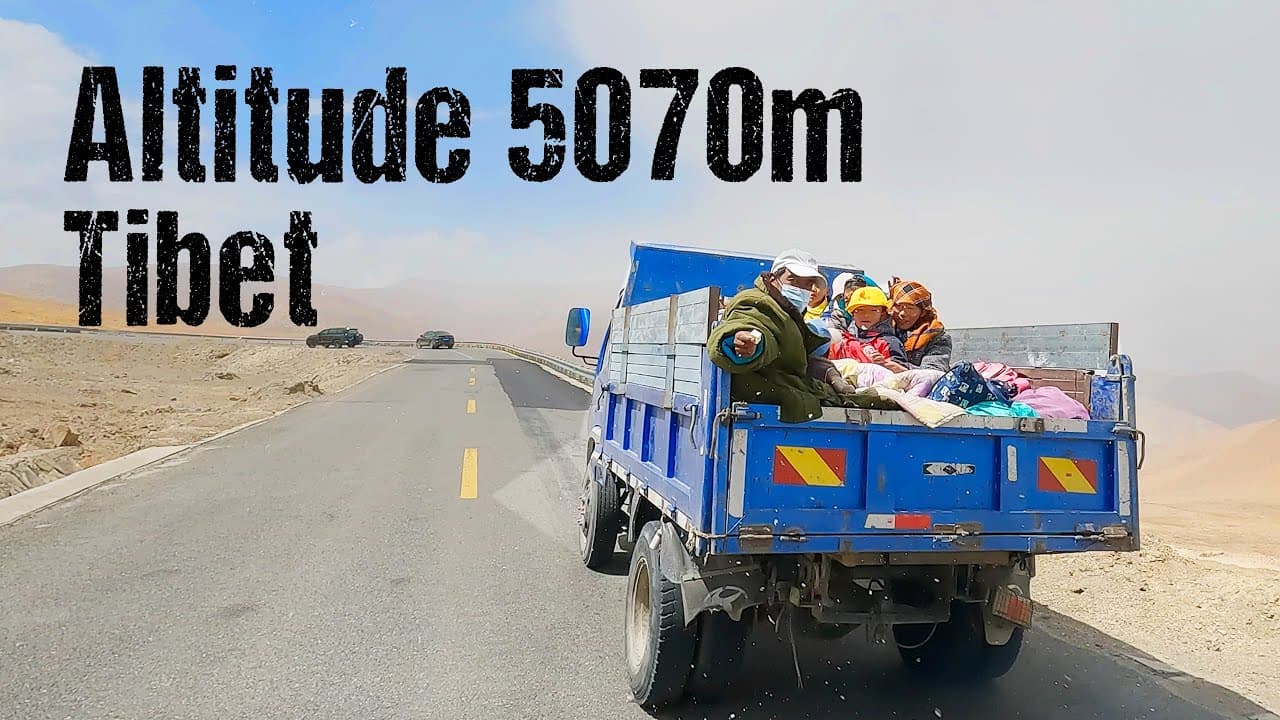
Road trip to Tibet's HIGHEST VILLAGE (5070m), second highest village in the world! S2, EP33
TL;DR
A road trip in Tibet explores high-altitude villages and cultural practices.
Transcript
Read and summarize the transcript of this video on Glasp Reader (beta).
Key Insights
- The journey begins in Lhasa and travels to Tuiwa, the second highest village globally, highlighting the challenges of high-altitude travel.
- Tibetan culture includes unique funeral practices such as water burial, reflecting deep beliefs in rebirth and reincarnation.
- Travelers must prepare for altitude sickness with oxygen bottles and permits for border regions, emphasizing the trip's logistical complexities.
- The Tibetan landscape is characterized by clear skies, blue lakes, and unpredictable weather, offering stunning but challenging environments.
- Tibetan Mastiffs, large and friendly dogs, play a significant role in local life, serving as guardians and companions.
- Altitude sickness is a significant concern, with symptoms like headaches and fatigue, requiring travelers to monitor their oxygen levels closely.
- The hospitality of Tibetan locals is warm and welcoming, offering insights into their daily lives and traditions.
- The harsh environment at high altitudes makes living conditions challenging, with limited resources and extreme weather impacting daily life.
Install to Summarize YouTube Videos and Get Transcripts
Explore YouTube Video Summarizer or Get YouTube Transcript Extractor
Questions & Answers
Q: What preparations were made for the road trip in Tibet?
The travelers prepared extensively for the road trip by gathering camping equipment, food supplies, and oxygen bottles. They also secured a border region travel permit, necessary for traveling to certain areas in Tibet. This preparation highlights the logistical challenges of traveling in high-altitude regions.
Q: What are some unique Tibetan funeral practices mentioned in the video?
The video highlights several Tibetan funeral practices, including water burial, sky burial, stupa burial, fire burial, and tree burial. These practices reflect Tibetan beliefs in rebirth and reincarnation, with rituals designed to aid the deceased in achieving a favorable rebirth.
Q: How does altitude sickness affect travelers in Tibet?
Altitude sickness is a significant concern for travelers in Tibet, with symptoms such as headaches, fatigue, and difficulty breathing. The travelers monitor their oxygen levels and use oxygen bottles and machines to manage these symptoms, underscoring the importance of acclimatization in high-altitude environments.
Q: What role do Tibetan Mastiffs play in local life?
Tibetan Mastiffs are large, friendly dogs that serve as guardians and companions in Tibetan communities. They are known for their protective nature and are often used to guard livestock. The video showcases their significance in local life and their interaction with travelers.
Q: What challenges do locals face living in high-altitude Tibetan villages?
Locals in high-altitude Tibetan villages face challenges such as limited resources, extreme weather, and harsh living conditions. The environment makes it difficult for plants to grow, and there is often no tap water, requiring residents to rely on nearby lakes for water.
Q: How does the video depict Tibetan hospitality?
The video portrays Tibetan hospitality as warm and welcoming, with locals offering kindness and assistance to travelers. This hospitality provides insights into Tibetan culture and daily life, showcasing the generosity and friendliness of the people despite the challenging environment.
Q: What is the significance of the Yarlung Tsangpo River in the video?
The Yarlung Tsangpo River, also known as the Brahmaputra River in India, is significant in the video as it is the site of a water burial ceremony. The river's presence underscores the interconnectedness of natural landmarks with cultural practices and beliefs in Tibetan society.
Q: What are some environmental features of the Tibetan landscape highlighted in the video?
The Tibetan landscape is characterized by clear skies, shiny blue lakes, and unpredictable weather. The video highlights the region's stunning natural beauty, including sacred lakes like Yamdrok Lake, while also emphasizing the challenges posed by the harsh, high-altitude environment.
Summary & Key Takeaways
-
The video documents a road trip from Lhasa to Tuiwa in Tibet, showcasing the stunning landscapes over 4000 meters and the challenges of traveling at such high altitudes. The travelers prepare with oxygen bottles and camping gear, highlighting the need for careful planning.
-
Tibetan cultural practices, including various burial traditions, are explored, with a focus on the water burial ceremony. The video provides insights into Tibetan beliefs about rebirth and the significance of rituals in ensuring a favorable reincarnation.
-
The journey includes encounters with Tibetan Mastiffs, high-altitude challenges, and the warm hospitality of Tibetan locals. The travelers experience altitude sickness and the harsh environment, emphasizing the resilience required to live in such remote, high-altitude areas.
Read in Other Languages (beta)
Share This Summary 📚
Summarize YouTube Videos and Get Video Transcripts with 1-Click
Try YouTube Summary with ChatGPT & Claude or YouTube Transcript Generator
Explore More Summaries from Little Chinese Everywhere 📚



Summarize YouTube Videos and Get Video Transcripts with 1-Click
Try YouTube Summary with ChatGPT & Claude or YouTube Transcript Generator