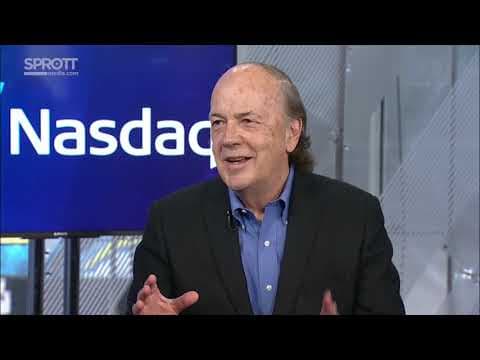
James Rickards | The Depression Is Over 10 Years Old

TL;DR
Gold's rise signals dollar devaluation; recession looms.
Transcript
Read and summarize the transcript of this video on Glasp Reader (beta).
Key Insights
- Gold's value increase is more about dollar devaluation than gold's intrinsic value rising. It remains stable, but more dollars are needed to buy the same amount of gold, indicating a weakening dollar.
- Despite strong headwinds like a robust dollar and rising interest rates, gold continues to inch higher, defying typical market expectations.
- The Federal Reserve's interest rate policies are aimed at preparing for future recessions, but their actions might inadvertently trigger the very recession they aim to mitigate.
- Current economic growth is below trend, indicating a depression rather than a recession. The U.S. economy has been underperforming since 2007, resulting in a significant loss of potential economic output.
- Comparisons between gold and other precious metals like palladium are common, but gold is unique in that it is primarily a monetary asset, while others have significant industrial applications.
- The global economy shows signs of slowing down, with major economies like China, Japan, and Germany experiencing negative growth, which could impact U.S. economic performance.
- Cybersecurity threats pose significant risks to financial systems, with potential attacks capable of causing major disruptions in financial markets.
- Diversification and non-digital asset holdings, such as gold and land, are recommended to mitigate risks associated with digital financial systems and potential cyber threats.
Install to Summarize YouTube Videos and Get Transcripts
Explore YouTube Video Summarizer or Get YouTube Transcript Extractor
Questions & Answers
Q: Why is gold's value increasing despite strong economic headwinds?
Gold's value increase is attributed to the devaluation of the dollar rather than an increase in gold's intrinsic value. As the dollar weakens, more dollars are required to purchase the same amount of gold, resulting in a perceived increase in gold's price. Despite strong headwinds like a robust dollar and rising interest rates, gold continues to rise, indicating underlying economic vulnerabilities.
Q: What is the difference between a recession and a depression according to Rickards?
According to Rickards, a recession is defined as two consecutive quarters of declining growth and rising unemployment. In contrast, a depression is a sustained period of below-trend growth without a tendency to return to trend or collapse completely. The U.S. has been experiencing a depression since 2007, with growth consistently falling short of the historical trend, resulting in significant economic underperformance.
Q: How does Rickards view the Federal Reserve's interest rate policies?
Rickards views the Federal Reserve's interest rate policies as a preparatory measure for future recessions. The Fed aims to raise rates to create room for future cuts, which are necessary to stimulate the economy during a recession. However, Rickards warns that these actions might inadvertently trigger a recession, as the Fed's efforts to prepare for future downturns could destabilize the current economic environment.
Q: What are the potential risks associated with cybersecurity threats to financial systems?
Cybersecurity threats pose significant risks to financial systems, as they can lead to major disruptions in financial markets. Potential attacks could involve penetrating order entry systems at major banks, causing market chaos by flooding the market with sell orders. Such disruptions could lead to significant market declines, further exacerbating economic instability. Rickards emphasizes the importance of considering cybersecurity threats in financial strategies.
Q: Why does Rickards recommend diversification and non-digital asset holdings?
Rickards recommends diversification and non-digital asset holdings to mitigate risks associated with digital financial systems and potential cyber threats. Non-digital assets like gold and land provide a stable store of value that cannot be hacked or disrupted by digital attacks. These assets offer a hedge against economic instability and potential disruptions in digital financial systems, ensuring some level of financial security.
Q: How does Rickards compare gold to other precious metals like palladium?
Rickards acknowledges that while gold, palladium, platinum, and silver are all considered precious metals, gold is unique in that it is primarily a monetary asset. The other metals have significant industrial applications, which can affect their market performance. For instance, palladium is used extensively in automobile manufacturing, making its price more sensitive to industrial demand fluctuations than gold, which is valued for its monetary stability.
Q: What are the early warning signs of a potential recession according to Rickards?
Rickards identifies several early warning signs of a potential recession, including a flattening or inverting yield curve, declining commodity prices, and slower job growth. These indicators suggest that the economy is experiencing underlying weakness, which could lead to a recession if not addressed. Rickards emphasizes the importance of monitoring these indicators to anticipate potential economic downturns.
Q: What is Rickards' perspective on the current state of the global economy?
Rickards observes that the global economy is showing signs of slowing down, with major economies like China, Japan, and Germany experiencing negative growth. This global slowdown could impact the U.S. economy, as interconnected global markets are likely to transmit economic weaknesses. Rickards suggests that this global context should be considered when evaluating the U.S. economic outlook and potential risks.
Summary & Key Takeaways
-
James Rickards discusses gold's performance and its implications for the U.S. economy, emphasizing that gold's rise is due to dollar devaluation rather than an increase in its intrinsic value. Despite strong headwinds, gold continues to rise, hinting at underlying economic vulnerabilities.
-
Rickards argues that the U.S. has been in a depression since 2007, characterized by below-trend growth. He warns that the Federal Reserve's efforts to prepare for a future recession might inadvertently cause one, given the current economic indicators.
-
The discussion also touches on cybersecurity threats to financial systems, suggesting that diversification and non-digital asset holdings, such as gold and land, are prudent strategies to protect against potential digital disruptions and economic instability.
Read in Other Languages (beta)
Share This Summary 📚
Summarize YouTube Videos and Get Video Transcripts with 1-Click
Try YouTube Summary with ChatGPT & Claude or YouTube Transcript Generator
Explore More Summaries from Rule Investment Media 📚
![Jim Rickards: "The System Is Highly Unstable—If [Confidence] Is Lost, It Can Melt Down Very Quickly" thumbnail](/_next/image?url=https%3A%2F%2Fi.ytimg.com%2Fvi%2FaJ8qPaRp8Ek%2Fhqdefault.jpg&w=750&q=75)
Summarize YouTube Videos and Get Video Transcripts with 1-Click
Try YouTube Summary with ChatGPT & Claude or YouTube Transcript Generator