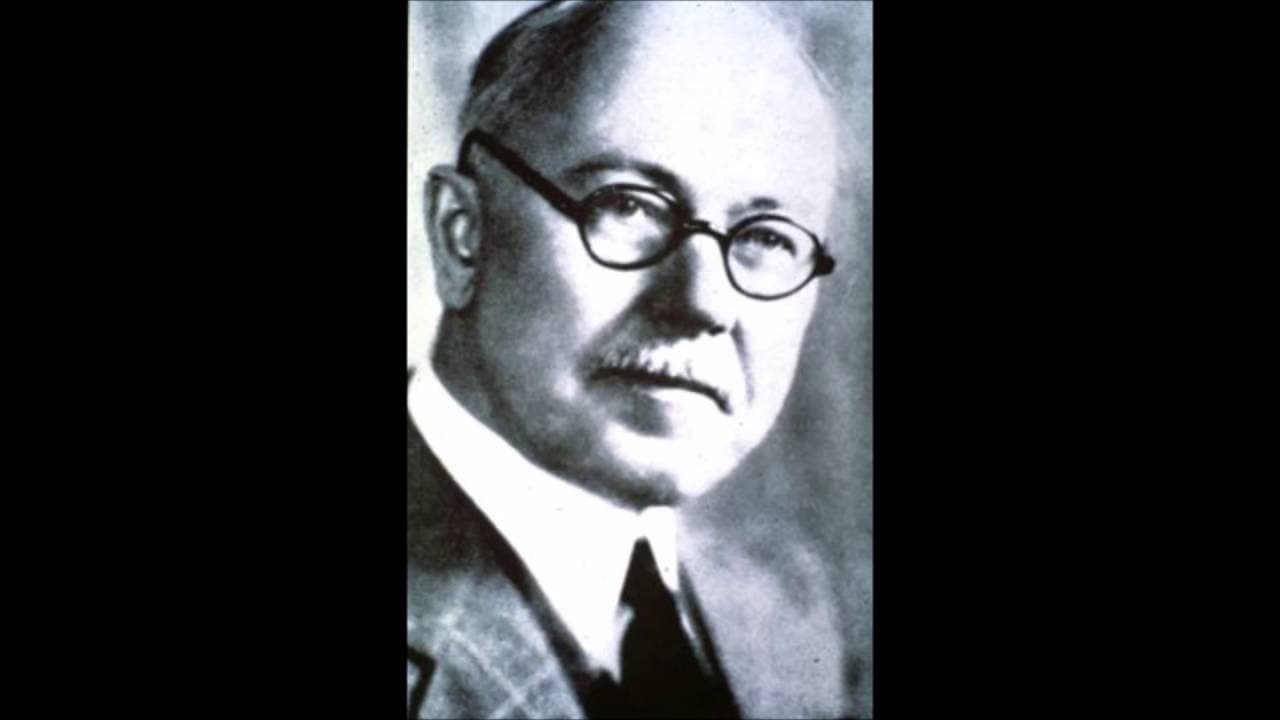
My Life in Advertising - Claude C. Hopkins: Chapter 10 - Automobile Advertising
TL;DR
Claude C. Hopkins shares insights on early automobile advertising challenges.
Transcript
Read and summarize the transcript of this video on Glasp Reader (beta).
Key Insights
- Claude C. Hopkins began writing automobile advertisements in 1899, facing numerous challenges with early models, including reliability and safety issues.
- Hopkins emphasized the importance of injecting personality into advertising campaigns, often featuring experts or notable figures to build credibility and consumer trust.
- He highlighted the significance of using specific claims and factual data in advertisements to establish trust, rather than relying on vague platitudes or generalities.
- Hopkins discussed the success of featuring Howard E. Coffin in Chalmers' advertising, which helped elevate the brand's reputation and sales.
- The story of John Willies and the Overland car demonstrates how narrative and consumer demand can drive a brand from bankruptcy to success.
- Hopkins stressed the importance of understanding current market conditions and consumer trends to create effective advertising strategies.
- He shared the story of the Rio automobile, where a campaign emphasizing the founder's reputation led to renewed success for the brand.
- Hopkins warned against overpromising in advertising, as seen in the Mitchell case, where the product's failure led to disaster despite successful ad campaigns.
Install to Summarize YouTube Videos and Get Transcripts
Explore YouTube Video Summarizer or Get YouTube Transcript Extractor
Questions & Answers
Q: What was Claude C. Hopkins' first experience with automobile advertising?
Claude C. Hopkins wrote his first automobile advertisement in 1899 for a steam car made in Milwaukee. The car was challenging to operate, requiring 30 minutes to start, and often broke down. Despite these difficulties, this experience made Hopkins an automobile enthusiast and set the stage for his future work in the industry.
Q: How did Hopkins use personality in his advertising campaigns?
Hopkins believed in injecting personality into advertising campaigns by featuring experts or notable figures. This approach helped build credibility and trust with consumers. For example, he prominently featured Howard E. Coffin, the chief engineer for Chalmers, to elevate the brand's reputation and distinguish it from competitors.
Q: What was the impact of specific claims in Hopkins' advertising strategy?
Hopkins emphasized the use of specific claims and factual data in advertisements to establish trust with consumers. He argued that vague platitudes or generalities did not create conviction and were often dismissed by the public. By providing detailed information, Hopkins' campaigns conveyed sincerity and reliability, leading to greater consumer confidence.
Q: Can you describe the success story of the Overland car?
The Overland car's success story, as described by Hopkins, highlights the power of consumer demand and narrative in advertising. John Willies took over the bankrupt Overland company and, through strategic advertising and leveraging consumer interest, turned it into a thriving business. Hopkins emphasized the importance of showcasing the brand's popularity and growth to attract more customers.
Q: What lesson did Hopkins learn from the Mitchell advertising campaign?
The Mitchell advertising campaign taught Hopkins the risks of overpromising in advertising. Despite a successful campaign that generated high interest, the product itself failed to meet expectations, leading to widespread dissatisfaction and damage to the brand's reputation. This experience highlighted the importance of aligning advertising promises with the actual quality of the product.
Q: How did Hopkins approach the advertising for the Rio automobile?
For the Rio automobile, Hopkins created a campaign that emphasized the founder, R.E. Olds' reputation, and introduced the 'Rio the 5th' model as his 'farewell car.' This approach leveraged Olds' credibility and experience, resulting in a successful campaign that revitalized the brand and attracted significant consumer interest.
Q: What strategy did Hopkins use for the Studebaker advertising campaign?
In the Studebaker campaign, Hopkins focused on the company's impressive sales growth, assets, and production capabilities. By highlighting these aspects, he aimed to build consumer confidence and demonstrate the brand's stability and efficiency. This strategy resonated with the market and contributed to the campaign's success.
Q: What is Hopkins' view on fine writing in advertisements?
Hopkins believed that fine writing in advertisements could be detrimental, as it might distract from the message and suggest an insincere effort to sell. He argued that salesmanship in print should mirror personal salesmanship, focusing on offering genuine value and service to the consumer rather than relying on stylistic flourishes.
Summary & Key Takeaways
-
Claude C. Hopkins began his journey in automobile advertising in 1899, facing numerous challenges with the reliability and safety of early car models. He emphasized the importance of injecting personality into campaigns by featuring experts or notable figures to build credibility and consumer trust.
-
Hopkins highlighted the significance of using specific claims and factual data in advertisements to establish trust with consumers. He believed that vague platitudes or generalities did not create conviction and were often discounted by the public.
-
The story of John Willies and the Overland car demonstrates how narrative and consumer demand can drive a brand from bankruptcy to success. Hopkins stressed the importance of understanding current market conditions and consumer trends to create effective advertising strategies.
Read in Other Languages (beta)
Share This Summary 📚
Summarize YouTube Videos and Get Video Transcripts with 1-Click
Try YouTube Summary with ChatGPT & Claude or YouTube Transcript Generator
Explore More Summaries from Joe Ditzel 📚
Summarize YouTube Videos and Get Video Transcripts with 1-Click
Try YouTube Summary with ChatGPT & Claude or YouTube Transcript Generator