How to Master Music Production by 2025
TL;DR
To effectively learn music production, focus on mindset shifts, mastering your DAW, and understanding core music concepts like songwriting and mixing. Collaborate with others to enhance learning and build an artist brand to increase your value. Consistent practice and patience are crucial for success.
Transcript
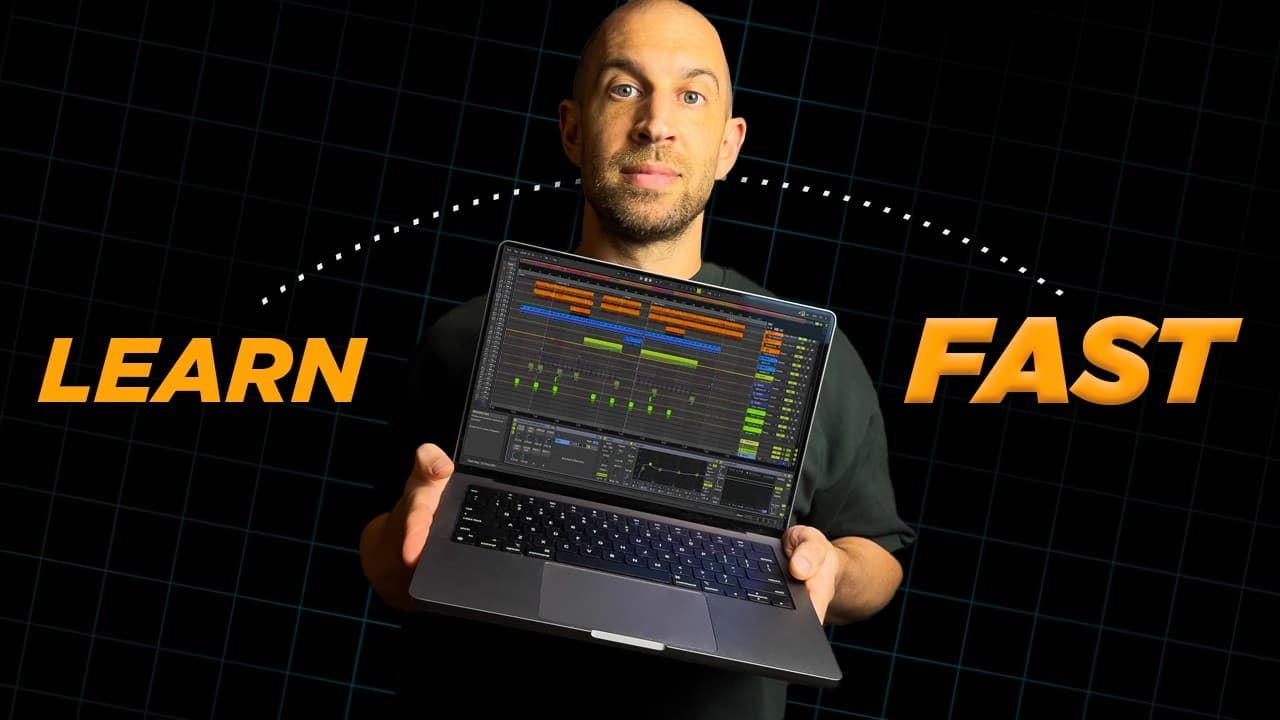
learning music production today can feel straight up overwhelming Which doll to choose What tutorials do you watch How do you make a song that doesn't sound like 1980s robot music Look if I had to start over knowing what I know now here's exactly how I would learn music production and do it fast I'm going to break this down into six steps that have... Read More
Key Insights
- Patience is essential in music production; there are no shortcuts.
- Emotion in music should take precedence over technicalities.
- Think like a listener to create music that resonates emotionally.
- Having a clear 'why' is crucial for motivation in music production.
- Choosing a DAW is less important than mastering one; Ableton is recommended.
- Core music concepts include songwriting, arrangement, and sound selection.
- Collaborating with others can provide mentorship, feedback, and new insights.
- Building an artist brand and learning complementary skills increase an artist's value.
Install to Summarize YouTube Videos and Get Transcripts
Explore YouTube Video Summarizer or Get YouTube Transcript Extractor
Questions & Answers
Q: How to develop patience in music production?
Patience in music production is developed by understanding that there are no shortcuts. Embrace the learning process, enjoy the journey, and realize that improvement comes with time and practice. Accept that the initial stages may be challenging, but with consistent effort, skills will improve, making the process more enjoyable and rewarding.
Q: Why is emotion more important than technicalities in music production?
Emotion is more important than technicalities because music's primary purpose is to evoke feelings and connect with listeners. While technical skills are important, they should serve the emotional impact of the music. A technically perfect track that lacks emotional depth may not resonate with audiences, whereas a track with strong emotional content can create a lasting impression.
Q: What mindset shifts are necessary for effective music production?
Effective music production requires mindset shifts such as embracing patience, prioritizing emotion over technical details, thinking like a listener, and having a clear 'why' or motivation. These shifts help in focusing on the essential aspects of music creation and maintaining motivation throughout the learning and production process.
Q: How to choose the right DAW for music production?
Choosing the right DAW involves selecting one that suits your workflow and sticking with it. While Ableton is popular due to its widespread use and available resources, the most important factor is mastering the DAW you choose. Consistency and familiarity with your chosen DAW will enhance your production skills more than switching between different software.
Q: What are the core pillars of music production?
The core pillars of music production include songwriting, arrangement, sound selection, and mixing basics. Songwriting involves understanding music theory and creating melodies and chords. Arrangement focuses on structuring a track to maintain listener interest. Sound selection is about choosing the right samples and synths, and mixing basics involve managing volume, EQ, and spatial effects.
Q: Why is collaboration important in music production?
Collaboration is important because it offers opportunities for feedback, mentorship, and learning from others' experiences. Working with other musicians, producers, or mentors can provide new perspectives, techniques, and inspiration, accelerating your growth and improving your music production skills. It also helps build a network within the music community.
Q: How can an artist increase their value in the music industry?
An artist can increase their value by building a personal brand, learning complementary skills like content creation or video editing, and maintaining professionalism. Engaging with audiences on social media, documenting your music journey, and being reliable and easy to work with can open up more opportunities and make you more appealing to potential collaborators and industry professionals.
Q: What role does automation play in music production?
Automation plays a crucial role in music production by adding dynamics and emotion to tracks. It allows producers to create changes over time, such as adjusting volume, filter sweeps, or effects like reverb and delay. Automation helps in maintaining listener interest and enhancing the emotional impact of a track by introducing variations and transitions.
Summary & Key Takeaways
-
Music production requires patience and embracing the journey without shortcuts. Prioritize emotion over technical details to create impactful music. A clear understanding of your motivation, or 'why,' is essential for sustained progress.
-
Choosing and mastering a DAW is crucial, with Ableton being a popular choice. Focus on core concepts like songwriting, arrangement, and sound selection to improve your music production skills.
-
Collaboration with others offers valuable learning opportunities. Building a personal artist brand and acquiring complementary skills can significantly enhance your value as a music producer.
Read in Other Languages (beta)
Share This Summary 📚
Summarize YouTube Videos and Get Video Transcripts with 1-Click
Try YouTube Summary with ChatGPT & Claude or YouTube Transcript Generator
Explore More Summaries from TheCosmicAcademy 📚

Summarize YouTube Videos and Get Video Transcripts with 1-Click
Try YouTube Summary with ChatGPT & Claude or YouTube Transcript Generator