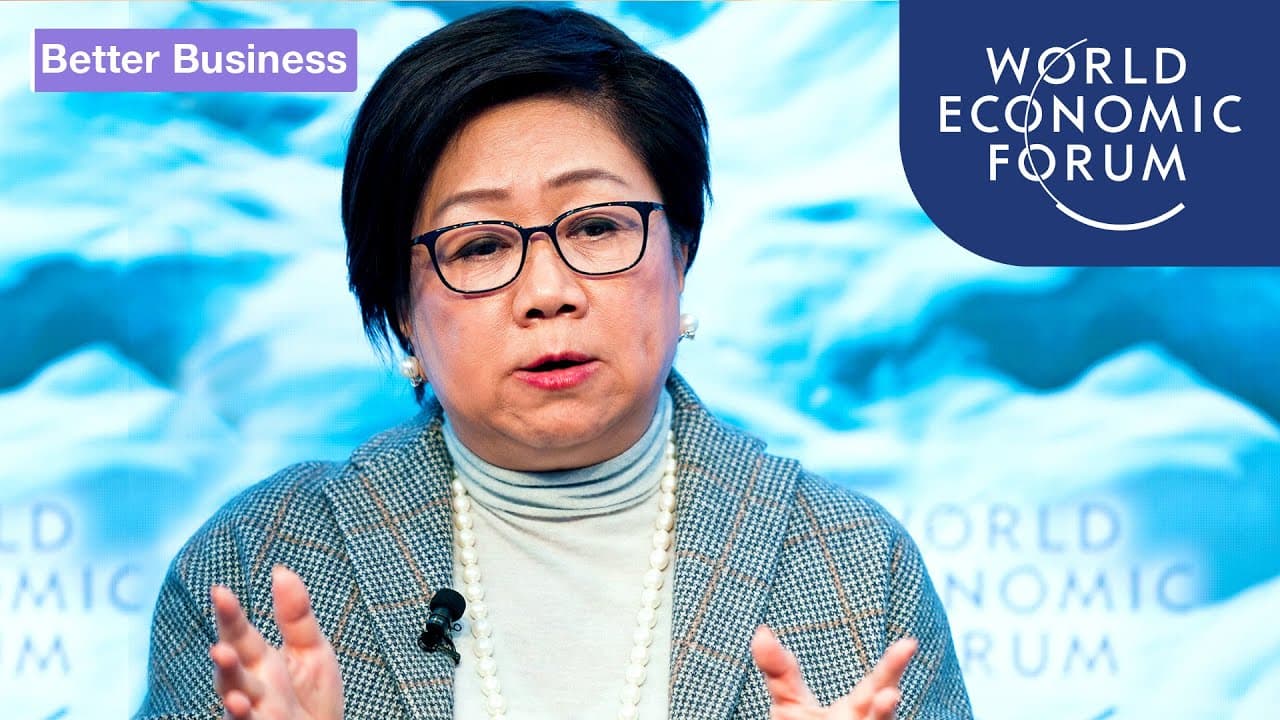
Stakeholder Capitalism in the Asian Century | DAVOS 2020
TL;DR
Stakeholder capitalism emphasizes the importance of considering the interests of all stakeholders, beyond just shareholders, in corporate decision-making.
Transcript
welcome to this nhk session i'm kenji kono the moderator here today our topic is stakeholder capitalism in the asian centuries i know you have heard a lot about stakeholder capitalism this week in davos it has gotten a lot of attention suddenly this year and we want to discuss how this concept brings to what this concept bring to the asian economy ... Read More
Key Insights
- ❓ Stakeholder capitalism shifts the focus from shareholder profitability to considering the impact on various stakeholders.
- ❓ Asian economies have cultural and historical affinities with stakeholder capitalism.
- ❓ Companies like SK Group and Marubeni are already implementing stakeholder capitalism principles through measures like ESG reporting and social value measurement.
- 😫 Governments play a crucial role in setting regulations and creating a favorable legal framework for stakeholder capitalism.
- 🤨 AI and robotics present challenges in terms of job displacement, but companies can mitigate this by reskilling and upskilling their employees.
- 🤽 Transparency, accountability, and a level playing field are essential for successful stakeholder capitalism.
- ⚖️ Stakeholder capitalism requires a balance between promoting the well-being of all stakeholders and ensuring profitability.
Install to Summarize YouTube Videos and Get Transcripts
Explore YouTube Video Summarizer or Get YouTube Transcript Extractor
Questions & Answers
Q: What is the difference between shareholder capitalism and stakeholder capitalism?
In shareholder capitalism, the focus is on maximizing profits for shareholders, while stakeholder capitalism considers the interests of all stakeholders, including customers, employees, suppliers, and the community.
Q: How can governments promote stakeholder capitalism?
Governments can set regulations and minimum standards that companies must follow, such as minimum wages and environmental standards. They can also create a legal framework that encourages companies to consider all stakeholders in their decision-making.
Q: Can state-owned enterprises successfully practice stakeholder capitalism?
State-owned enterprises can practice stakeholder capitalism if they operate in a transparent and accountable manner, considering the interests of all stakeholders. However, there is a risk that state control may limit competition and create an uneven playing field.
Q: What are the challenges posed by AI and robotics in achieving stakeholder capitalism?
The increasing use of AI and robotics may lead to job displacement. Companies practicing stakeholder capitalism should focus on reskilling and upskilling their employees to adapt to the changing job landscape and ensure their well-being.
Summary & Key Takeaways
-
Stakeholder capitalism is a shift from the traditional focus on shareholder profitability to a broader consideration of the impact on various stakeholders.
-
Asian economies, including Japan and South Korea, have cultural and historical affinities with stakeholder capitalism.
-
Asian companies, such as SK Group and Marubeni, are already implementing stakeholder capitalism principles through measures like ESG reporting and social value measurement.
-
Governments play a crucial role in setting regulations and creating a favorable legal framework to promote stakeholder capitalism.
Read in Other Languages (beta)
Share This Summary 📚
Summarize YouTube Videos and Get Video Transcripts with 1-Click
Try YouTube Summary with ChatGPT & Claude or YouTube Transcript Generator
Explore More Summaries from World Economic Forum 📚
Summarize YouTube Videos and Get Video Transcripts with 1-Click
Try YouTube Summary with ChatGPT & Claude or YouTube Transcript Generator