Great White Shark Hunting Patterns | When Sharks Attack
TL;DR
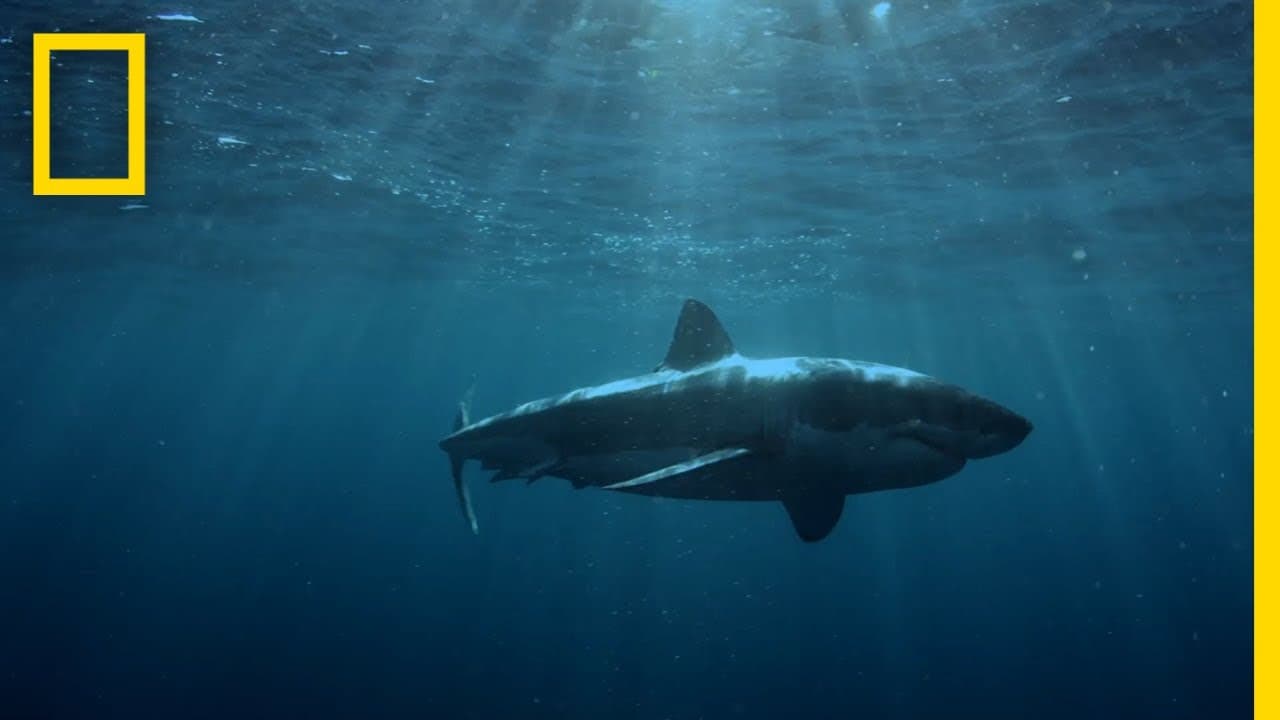
Great white sharks in South Africa's Western Cape hunt during the day in kelp forests, including areas close to populated beaches.
Transcript
NARRATOR: South Africa's Western Cape is notoriously dangerous. Almost one in four of all fatal great white attacks happen here. In other parts of the world, the most dangerous time to enter the water is at dawn or dusk, the times when white sharks typically hunt. But these waters are different. Investigators have identified that the majority of th... Read More
Key Insights
- 🇿🇦 South Africa's Western Cape is known for a high number of fatal great white shark attacks.
- 🥳 Most attacks occur during the day, which is unusual compared to other areas where dawn and dusk are considered more dangerous.
- 🇨🇻 Great white sharks in the Western Cape have been observed hunting in kelp forests, targeting cape fur seals.
- 🤍 Previous beliefs about great white shark hunting patterns have been challenged by recent research.
- 🦈 The presence of kelp forests along the Western Cape's coast means there is a constant risk of encounters between sharks and humans.
- 🛟 Kelp forests create a diverse underwater ecosystem, attracting various marine life.
- 🖐️ The 2019 study using cameras attached to shark fins provided valuable insights into their behavior in the kelp forests.
Install to Summarize YouTube Videos and Get Transcripts
Explore YouTube Video Summarizer or Get YouTube Transcript Extractor
Questions & Answers
Q: Why are great white shark attacks more common during the day in South Africa's Western Cape?
Researchers have found that great whites in the Western Cape hunt during the day, contrary to previous belief. They venture into the kelp forests where cape fur seals are present, leading to an increased risk of encounters with humans.
Q: What is the significance of kelp forests in attracting great white sharks?
Kelp forests in South Africa's Western Cape provide a habitat for cape fur seals, which are a primary food source for great white sharks. The sharks patrol the forest edges, looking for seals to hunt.
Q: What is the impact of this new revelation in shark research?
This new understanding of great white shark hunting patterns means that wherever there are kelp forests along the Western Cape's coast, there is a potential presence of white sharks. This has implications for water activities such as swimming, surfing, and diving.
Q: How did researchers discover the new hunting patterns of great white sharks?
Researchers attached cameras to the dorsal fins of great white sharks for a study in 2019. The footage captured showed the sharks moving into dense kelp forest areas and hunting seals during the day, contrary to previous understanding.
Summary & Key Takeaways
-
South Africa's Western Cape has a high rate of fatal great white shark attacks, with most occurring during the day.
-
Contrary to previous beliefs, great whites are now known to venture into the kelp forests and hunt seals during the day.
-
Kelp forests in the Western Cape attract great whites due to the presence of cape fur seals.
Read in Other Languages (beta)
Share This Summary 📚
Summarize YouTube Videos and Get Video Transcripts with 1-Click
Try YouTube Summary with ChatGPT & Claude or YouTube Transcript Generator
Explore More Summaries from National Geographic 📚


Summarize YouTube Videos and Get Video Transcripts with 1-Click
Try YouTube Summary with ChatGPT & Claude or YouTube Transcript Generator