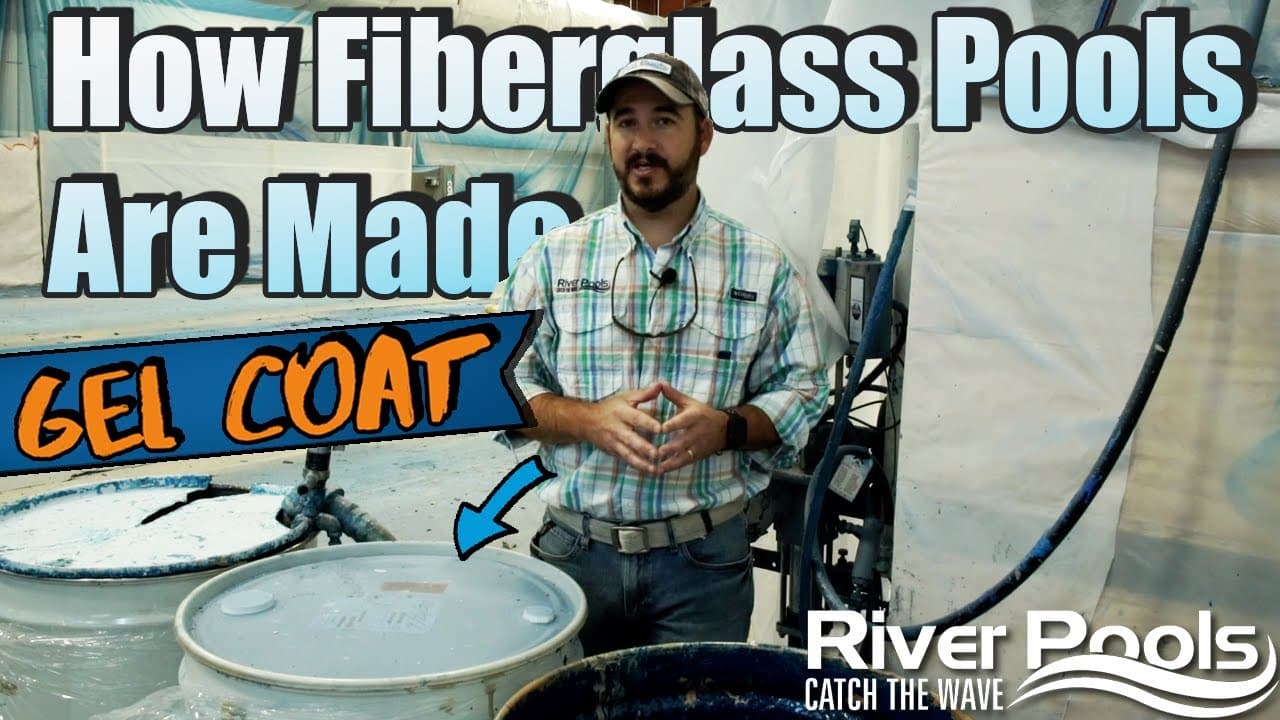
How Fiberglass Pools Are Made; Gel Coat; Part 2 of 8
TL;DR
Exploration of gel coat application in fiberglass pool manufacturing.
Transcript
Read and summarize the transcript of this video on Glasp Reader (beta).
Key Insights
- Gel coat is a dyed resin used as the first layer in fiberglass pools, applied with a specialized paint gun for color and durability.
- Polymerization is the process of crosslinking monomers to form a durable polymer, crucial for the gel coat's strength.
- The River Pools way emphasizes not cutting corners, ensuring a durable gel coat through best manufacturing practices.
- Key manufacturing practices include removing water from air systems, maintaining specific air temperatures, and using precise catalyst ratios.
- Four levels of redundancy in the air system ensure moisture is removed, involving water separators, air dryers, storage tanks, and desiccant filters.
- The ideal temperature for applying gel coat is between 70-80°F, with 77°F being optimal for the mold.
- The catalyst ratio is critical for polymerization, ranging from 1.25-2% of the gel coat material, adjusted for environmental conditions.
- The gel coat gun is designed to mix gel coat, air, and catalyst simultaneously, ensuring a consistent application.
Install to Summarize YouTube Videos and Get Transcripts
Explore YouTube Video Summarizer or Get YouTube Transcript Extractor
Questions & Answers
Q: What is the gel coat used for in fiberglass pools?
Gel coat is a dyed resin applied as the first layer in fiberglass pools, providing the pool's color and a durable finish. It is applied using a specialized paint gun, and its quality is ensured through precise manufacturing practices, including controlling catalyst ratios and environmental conditions.
Q: How does polymerization contribute to the gel coat process?
Polymerization involves the crosslinking of monomers to form a strong polymer, which is essential for creating a durable gel coat finish. This process ensures that the gel coat can withstand environmental conditions and maintain its appearance over time, contributing to the overall longevity of the fiberglass pool.
Q: What are the key elements of the River Pools way?
The River Pools way emphasizes not cutting corners in manufacturing to ensure a durable gel coat finish. Key elements include removing all water from air systems, maintaining ideal air and mold temperatures, and using precise catalyst ratios. These practices promote effective polymerization and high-quality pool finishes.
Q: What role do the four levels of redundancy play in pool manufacturing?
The four levels of redundancy in the air system are crucial for removing moisture, which can affect the gel coat application. This system includes water separators, air dryers, storage tanks, and desiccant filters, ensuring that the air used in the manufacturing process is dry, promoting effective polymerization and a durable finish.
Q: Why is temperature control important in the gel coat process?
Temperature control is vital in the gel coat process because it affects the curing and polymerization of the gel coat. The ideal temperature range is 70-80°F, with 77°F being optimal for the mold. Maintaining this range ensures consistent application and a high-quality, durable finish for the pool.
Q: How does the gel coat gun function?
The gel coat gun is designed to mix gel coat material, air, and catalyst simultaneously at the point of application. This ensures a consistent and even layer of gel coat on the pool mold, which is crucial for achieving a durable and visually appealing finish that meets the River Pools standards.
Q: What is the significance of the catalyst ratio in the gel coat process?
The catalyst ratio, ranging from 1.25-2% of the gel coat material, is critical for initiating polymerization. This ratio may vary based on environmental conditions, ensuring that the gel coat cures properly and achieves the desired durability and finish quality. Precise control of this ratio is a key aspect of the River Pools way.
Q: What is the overall goal of the River Pools manufacturing process?
The overall goal of the River Pools manufacturing process is to produce the most durable and high-quality gel coat finish for fiberglass pools. This is achieved by adhering to strict manufacturing practices, including moisture control, temperature management, and precise catalyst ratios, ensuring long-lasting and visually appealing pool surfaces.
Summary & Key Takeaways
-
The video discusses the gel coat process in fiberglass pool manufacturing, focusing on the importance of polymerization and the River Pools way of ensuring durability. Key practices include removing water from air systems, maintaining ideal temperatures, and using precise catalyst ratios.
-
Gel coat, a dyed resin, is the first layer applied in pool manufacturing. The process involves polymerization, where monomers form a durable polymer. The River Pools way ensures high-quality results by adhering to strict manufacturing practices.
-
The River Pools way includes four levels of redundancy to remove moisture from air systems, maintaining temperatures between 70-80°F, and using specific catalyst ratios. The gel coat gun mixes materials to ensure a durable finish, crucial for pool longevity.
Read in Other Languages (beta)
Share This Summary 📚
Summarize YouTube Videos and Get Video Transcripts with 1-Click
Try YouTube Summary with ChatGPT & Claude or YouTube Transcript Generator