How to Use Powerful Marketing Hacks Ethically
TL;DR
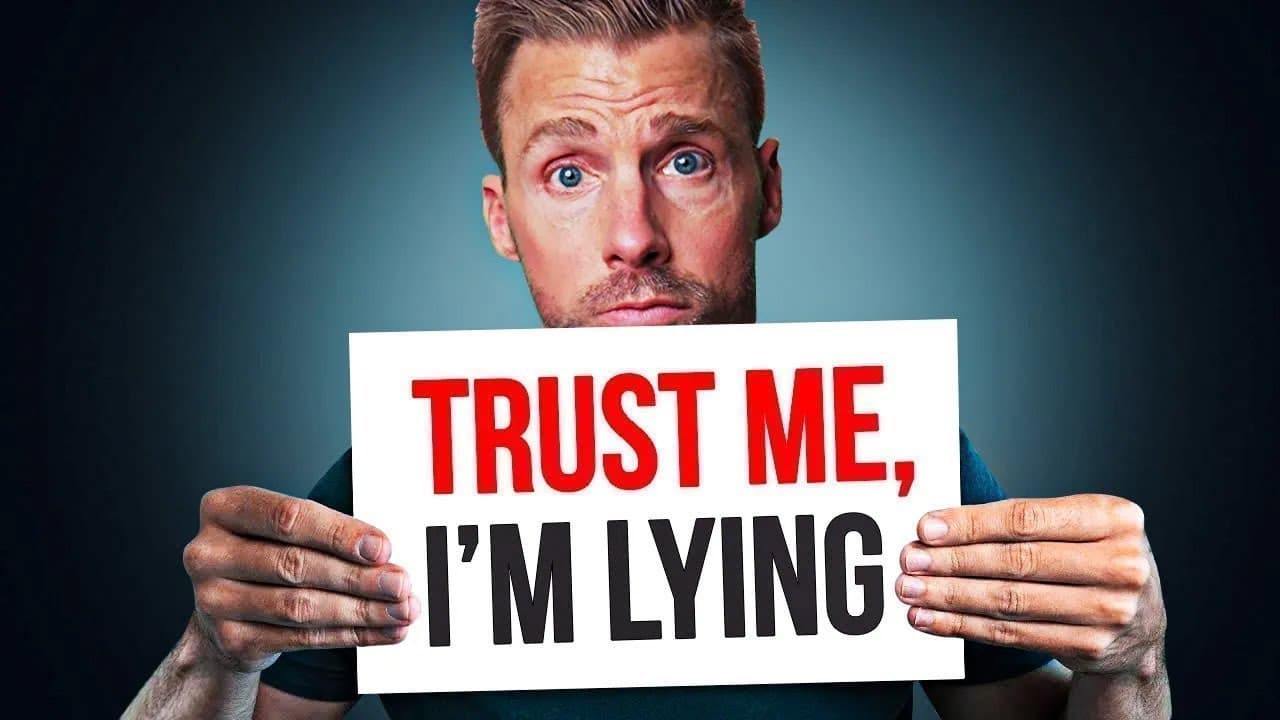
Marketers leverage psychological triggers like scarcity, familiarity, and social proof to influence consumer behavior. While these tactics can drive sales, they should be used ethically, ensuring products truly benefit customers. Familiarity breeds preference, urgency encourages action, and social proof builds trust, all contributing to effective marketing strategies.
Transcript
today we're going to dive deeper into the sneakier side of marketing and I'm going to share with you a few marketing hacks and tips and tricks that are so powerful they should probably be illegal if you've ever wondered how marketers advertisers and PR Specialists nudge and cajole and steer people exactly where we want them to go then buckle up my ... Read More
Key Insights
- Scarcity and urgency are powerful motivators in marketing, creating a sense of loss aversion that prompts quick consumer action.
- The mere exposure effect suggests that repeated exposure to a brand increases consumer preference, making familiarity a powerful marketing tool.
- Cognitive dissonance can be leveraged in marketing by highlighting conflicts between consumer beliefs and behaviors, nudging them towards purchases.
- Social proof, through reviews and testimonials, leverages peer influence to build trust and persuade potential customers.
- Commitment and consistency bias increases the likelihood of consumers agreeing to larger requests after small initial commitments.
- The halo effect influences consumer perception by associating brands with positive attributes or individuals, enhancing brand image.
- Email marketing remains one of the most effective marketing tools, with AI-enhanced platforms like GetResponse optimizing campaigns.
- Ethical marketing ensures that psychological tactics are used to genuinely benefit customers, aligning with their best interests.
Install to Summarize YouTube Videos and Get Transcripts
Explore YouTube Video Summarizer or Get YouTube Transcript Extractor
Questions & Answers
Q: How do scarcity and urgency influence consumer behavior?
Scarcity and urgency create a sense of loss aversion, a psychological trigger that prompts consumers to act quickly to avoid missing out. Marketers use tactics like limited-time offers and low stock alerts to create this urgency, encouraging impulsive buying decisions. When used ethically, these tactics can drive sales while ensuring customer satisfaction.
Q: What is the mere exposure effect in marketing?
The mere exposure effect suggests that repeated exposure to a brand or product increases consumer preference. This psychological principle is based on the idea that familiarity breeds fondness. Marketers leverage this by maintaining consistent brand visibility through advertising, social media, and other channels, making familiarity a powerful tool in influencing consumer behavior.
Q: How does cognitive dissonance work in marketing?
Cognitive dissonance in marketing involves highlighting conflicts between a consumer's beliefs and behaviors, creating discomfort that nudges them towards a purchase. For example, a brand might emphasize how an inferior product fails to meet consumer expectations, prompting them to consider a better alternative. When used ethically, this tactic aligns with the consumer's best interests, ensuring satisfaction.
Q: What role does social proof play in marketing?
Social proof leverages peer influence to build trust and persuade potential customers. It involves showcasing reviews, testimonials, and case studies to demonstrate that others have positively experienced a product or service. This psychological tool taps into the human tendency to follow the actions of others, making it a powerful element in a marketer's arsenal.
Q: How does commitment and consistency bias affect consumer decisions?
Commitment and consistency bias increases the likelihood of consumers agreeing to larger requests after making small initial commitments. Marketers capitalize on this by encouraging consumers to take small actions, like signing up for a newsletter, which makes them more likely to make larger purchases later. This bias stems from the human desire to appear consistent in beliefs and actions.
Q: What is the halo effect in marketing?
The halo effect occurs when the perceived positive attributes of a person, brand, or product influence people's perception of other unrelated attributes. Marketers use this by associating their brands with positive concepts or famous individuals, enhancing brand image. A good first impression can create a favorable perception that extends to all aspects of the brand, influencing consumer decisions.
Q: Why is email marketing considered effective?
Email marketing remains effective due to its ability to maintain consistent brand visibility and personalized engagement. Platforms like GetResponse enhance this by using AI to optimize campaigns, improving open rates and content relevance. Email marketing offers a high return on investment, making it a staple tool for marketers aiming to build relationships and drive conversions.
Q: How can marketers use psychological tactics ethically?
Marketers can use psychological tactics ethically by ensuring their products genuinely benefit customers and align with their best interests. This involves transparent communication, delivering real value, and avoiding manipulative practices. By focusing on customer satisfaction and long-term relationships, marketers can harness these powerful tools responsibly, enhancing brand reputation and consumer trust.
Summary & Key Takeaways
-
Marketers use scarcity and urgency to create a fear of missing out, prompting consumers to act quickly. These tactics play on loss aversion, a powerful psychological trigger. When used ethically, they can drive sales while ensuring customer satisfaction and value.
-
The mere exposure effect explains how repeated brand exposure increases consumer preference. Familiarity breeds fondness, making consistent brand visibility crucial. Email marketing, particularly AI-enhanced, remains a top tool for maintaining this exposure and driving engagement.
-
Social proof and cognitive dissonance are key psychological tools in marketing. Social proof leverages peer influence through reviews and testimonials, while cognitive dissonance highlights behavioral conflicts to nudge consumers towards purchases. Both should be used ethically to ensure customer benefit.
Read in Other Languages (beta)
Share This Summary 📚
Summarize YouTube Videos and Get Video Transcripts with 1-Click
Try YouTube Summary with ChatGPT & Claude or YouTube Transcript Generator
Explore More Summaries from Adam Erhart 📚

Summarize YouTube Videos and Get Video Transcripts with 1-Click
Try YouTube Summary with ChatGPT & Claude or YouTube Transcript Generator