What Is Urban Design?
TL;DR
Urban design shapes city experiences and enhances quality of life.
Transcript
Read and summarize the transcript of this video on Glasp Reader (beta).
Key Insights
- Urban design is crucial in shaping the city's aesthetics and how people experience their environment, influencing daily life activities like work, leisure, and commuting.
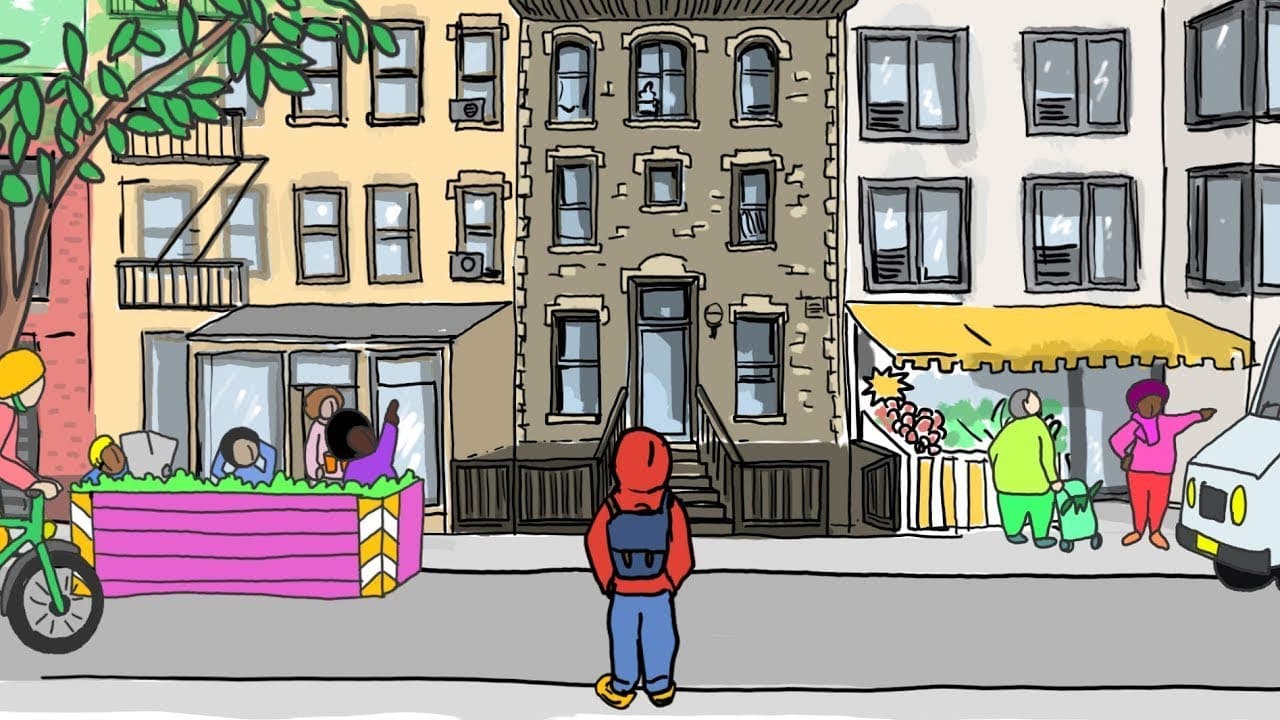
- It involves the planning and design of streets, buildings, parks, plazas, and other public spaces, impacting what people see and feel as they navigate the city.
- Urban design enhances the city's livability by improving comfort, well-being, and health, fostering a sense of belonging and civic pride among residents.
- The design of buildings in relation to streets affects natural light access, while lively streets with shops and wide sidewalks improve the urban experience.
- Public spaces, known as the public realm, vary in experience based on time of day, season, and individual perspective, emphasizing their dynamic nature.
- Urban design considers the impact of ground-level design on pedestrian experiences, with elements like lighting, trees, and awnings contributing to comfort and safety.
- The skyline and architectural identity of a city are shaped by urban design, influencing how residents and visitors perceive the city from different vantage points.
- Every resident plays a role in urban design, contributing to the unique sense of place and accessibility of their neighborhood, ensuring public spaces are welcoming and safe.
Install to Summarize YouTube Videos and Get Transcripts
Explore YouTube Video Summarizer or Get YouTube Transcript Extractor
Questions & Answers
Q: What is the main focus of urban design?
Urban design primarily focuses on shaping the city's physical environment to enhance the quality of life for its residents. It involves planning and designing streets, buildings, parks, and other public spaces to create a visually appealing and functional urban landscape that supports social interaction, ease of movement, and a sense of community.
Q: How does urban design impact daily life in the city?
Urban design impacts daily life by influencing how people move through and interact with their environment. It affects the accessibility and comfort of public spaces, the aesthetics of the cityscape, and the overall livability of the urban area. Thoughtfully designed urban spaces can enhance well-being, promote social interaction, and create a sense of belonging among residents.
Q: What role do residents play in urban design?
Residents play a crucial role in urban design by contributing to their neighborhood's unique identity and ensuring public spaces meet community needs. Their feedback and involvement in planning processes help shape spaces that reflect local culture, facilitate ease of movement, and create welcoming environments. Engaged residents ensure urban design serves the broader community effectively.
Q: How does urban design enhance the public realm?
Urban design enhances the public realm by creating spaces that are accessible, safe, and engaging for all. It considers factors like lighting, natural elements, and spatial layout to improve comfort and usability. By fostering inclusive and dynamic environments, urban design encourages social interaction and community engagement, making public spaces vibrant and enjoyable.
Q: What are some elements of urban design that affect pedestrian experiences?
Elements of urban design that affect pedestrian experiences include the width and layout of sidewalks, the presence of trees and natural shading, street lighting, and the design of building facades at ground level. These factors contribute to the comfort, safety, and aesthetic appeal of walking environments, enhancing the overall pedestrian experience in urban areas.
Q: How does urban design influence the city's skyline?
Urban design influences the city's skyline by determining the placement, height, and architectural style of buildings. Thoughtful design ensures a harmonious and visually appealing skyline that reflects the city's identity. It also considers how buildings interact with their surroundings, impacting views from various vantage points and contributing to the overall aesthetic of the urban landscape.
Q: What is the significance of natural light in urban design?
Natural light plays a significant role in urban design by enhancing the livability and aesthetic appeal of urban spaces. Design strategies, such as setting back upper floors of tall buildings, allow more sunlight to reach streets and public areas, improving visibility and comfort. Natural light also contributes to energy efficiency and the well-being of city residents.
Q: Why is urban design important for fostering civic pride?
Urban design fosters civic pride by creating environments that reflect the community's identity and values. By designing spaces that are beautiful, functional, and inclusive, urban design enhances residents' connection to their city. This sense of ownership and pride encourages community engagement and stewardship, leading to vibrant and resilient urban areas.
Summary & Key Takeaways
-
Urban design is a critical aspect of city planning, shaping how cities look and how people experience them. It involves the design of streets, buildings, parks, and other public spaces, influencing daily life and fostering a sense of belonging and civic pride.
-
The public realm, consisting of various public spaces, offers dynamic experiences that change based on time, season, and perspective. Urban design aims to enhance these spaces, ensuring they are comfortable, accessible, and safe for everyone.
-
Residents play a vital role in urban design, contributing to their neighborhood's unique identity and accessibility. Good urban design supports ease of movement and enhances the quality of life by making public spaces welcoming and inclusive.
Read in Other Languages (beta)
Share This Summary 📚
Summarize YouTube Videos and Get Video Transcripts with 1-Click
Try YouTube Summary with ChatGPT & Claude or YouTube Transcript Generator