Rethinking DNA as a blueprint for development | J. Andrew Pospisilik
TL;DR
Identical twins may have the same DNA, but there are still variations in their physical traits due to epigenetic factors. Understanding epigenetics could revolutionize medicine and reshape our expectations of individuals and societies.
Transcript
my first question was have you ever wondered why identical twins are so identical well if you ask your local biologist or geneticist they would probably tell you that's because they have the same DNA all right so they come from the same blueprint the very same sperm the very same egg co2 in similarities are a testament really to the power of DNA to... Read More
Key Insights
- 🧑🏭 Identical twins can have variations in physical traits due to epigenetic factors, highlighting the malleability of genetics.
- 🌱 Epigenetic variations in nature can result in different body plans and behaviors, even among genetically identical animals.
- 🥺 Understanding epigenetics has the potential to revolutionize medicine and lead to personalized treatments.
Install to Summarize YouTube Videos and Get Transcripts
Explore YouTube Video Summarizer or Get YouTube Transcript Extractor
Questions & Answers
Q: Why are identical twins not always identical in terms of physical traits?
Although identical twins have the same DNA, epigenetic factors can influence gene expression and contribute to variations in physical traits. This shows that genetics is not the sole determinant of an individual's characteristics.
Q: What are some examples of non-genetic variations in nature?
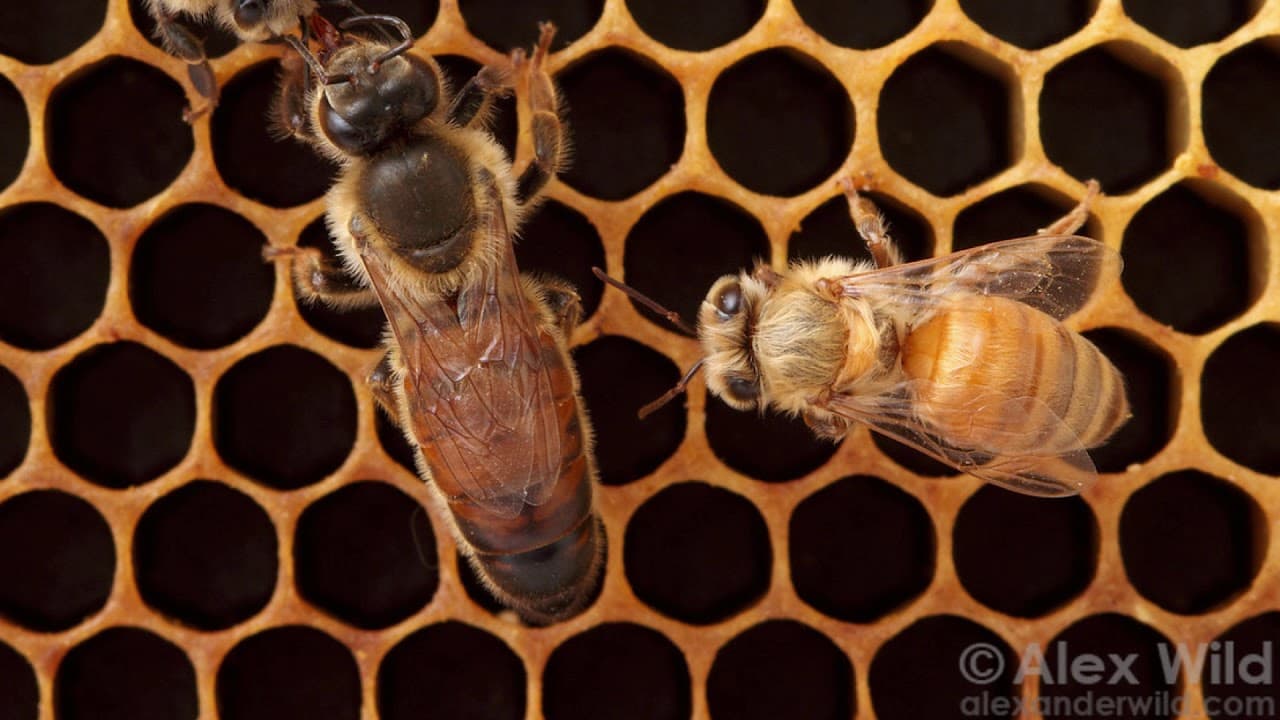
Non-genetic variations, or epigenetic variations, can be observed in different body plans of honeybees, different body types of horned beetles or worker ants, and even different behaviors exhibited by genetically identical animals.
Q: How does this understanding of epigenetics impact medicine?
Understanding epigenetics opens up the possibility of personalized medicine, as different individuals may respond differently to the same treatment due to their unique epigenetic profiles. This could lead to more effective and tailored medical interventions.
Q: How might understanding epigenetics reshape our expectations of individuals and societies?
If each individual has the potential to have multiple forms or isoforms, understanding epigenetics could impact our expectations of traits such as extroversion, aggression, or even willingness to go to war. This could lead to new educational approaches and a reevaluation of societal norms.
Summary & Key Takeaways
-
Identical twins are thought to be identical due to having the same DNA, but studies in genetically identical animals have shown that there can still be striking variations in physical traits.
-
This variation is attributed to epigenetic factors, which can influence gene expression and contribute to different body types or behaviors.
-
The discovery of genes in mice that control canalization down to a singular endpoint suggests that humans may also have hidden potential for variations in physical traits and molecular features.
Read in Other Languages (beta)
Share This Summary 📚
Summarize YouTube Videos and Get Video Transcripts with 1-Click
Try YouTube Summary with ChatGPT & Claude or YouTube Transcript Generator
Explore More Summaries from World Economic Forum 📚

Summarize YouTube Videos and Get Video Transcripts with 1-Click
Try YouTube Summary with ChatGPT & Claude or YouTube Transcript Generator