GENDERED MARKETING | The Checkout
TL;DR
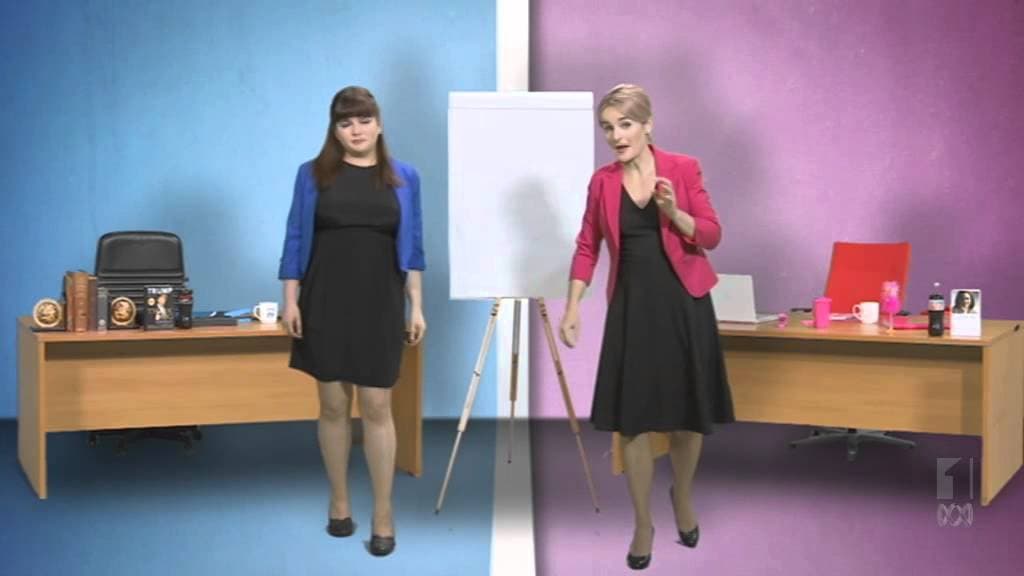
Market segmentation by gender increases sales but costs consumers more.
Transcript
Read and summarize the transcript of this video on Glasp Reader (beta).
Key Insights
- Market segmentation divides consumers into smaller groups to increase sales, often based on gender, leading to increased product variants and sales.
- Historically, gender associations with colors have shifted, with pink once considered a stronger color for boys.
- Marketing strategies exploit gender differences to sell more products, such as toys, cosmetics, and personal care items.
- Products are often priced higher when marketed specifically for women, despite being similar to male-targeted versions.
- Gender marketing uses shape, texture, packaging, and branding to appeal to specific genders, influencing consumer perception and purchase behavior.
- Gender contamination can occur when a product is too strongly associated with one gender, deterring the other gender from purchasing it.
- Some brands have successfully rebranded products to appeal to men by altering packaging and names to appear more masculine.
- Consumers can save money by questioning gender-specific marketing and considering products marketed to the opposite gender.
Install to Summarize YouTube Videos and Get Transcripts
Explore YouTube Video Summarizer or Get YouTube Transcript Extractor
Questions & Answers
Q: What is market segmentation and how does it relate to gender?
Market segmentation is the practice of dividing consumers into smaller groups to tailor marketing strategies and increase sales. In terms of gender, it involves creating gender-specific products, which can lead to increased sales by appealing to perceived gender preferences, but often results in higher prices for consumers.
Q: How has the perception of color and gender changed over time?
Historically, the association of colors with gender has shifted. For example, pink was once considered a strong color suitable for boys, while blue was seen as delicate and appropriate for girls. Over time, these associations have reversed, demonstrating the fluid nature of gender-related marketing strategies.
Q: What techniques do companies use in gendered marketing?
Companies use a variety of techniques in gendered marketing, including altering product shapes, textures, packaging, and brand names to appeal to specific genders. These strategies play on societal gender norms and perceptions to influence consumer behavior and increase sales.
Q: What is gender contamination in marketing?
Gender contamination occurs when a product becomes so strongly associated with one gender that it deters the other gender from purchasing it. This phenomenon can limit a product's market potential and necessitate rebranding efforts to appeal to a broader audience.
Q: How do companies rebrand products to appeal to men?
To appeal to men, companies often rebrand products by using masculine packaging, names, and colors. For example, they may employ darker colors, bold fonts, and rugged imagery to create a perception of masculinity, thereby attracting male consumers to products traditionally associated with women.
Q: Can consumers save money by ignoring gender-specific marketing?
Yes, consumers can save money by ignoring gender-specific marketing and considering products marketed to the opposite gender. Often, products are similar despite gendered packaging and branding, and by choosing non-gendered or opposite-gendered products, consumers can avoid paying a premium.
Q: What role does branding play in gendered marketing?
Branding plays a crucial role in gendered marketing by shaping consumer perceptions through visual and textual elements. Companies use specific colors, logos, and packaging designs to convey gender associations, influencing consumer choices and reinforcing gender norms in purchasing decisions.
Q: How have some companies successfully used gendered marketing to increase sales?
Companies like Unilever have successfully used gendered marketing by creating gender-specific versions of existing products. By tailoring packaging and branding to appeal to men and women separately, they have driven market growth and increased sales, although this often results in higher costs for consumers.
Summary & Key Takeaways
-
Market segmentation by gender is a common strategy used by companies to increase sales by creating gender-specific products. This approach often results in higher prices for similar products marketed to different genders, exploiting consumer perceptions and preferences.
-
Gendered marketing is not just about color but involves various elements like packaging, branding, and product names to appeal to specific genders. This strategy can lead to gender contamination, making it difficult for products to cross gender lines.
-
Consumers are encouraged to question gender-specific marketing and explore products across gender lines to potentially save money. Companies like Unilever have used gendered marketing to drive market growth, although this often results in higher costs for consumers.
Read in Other Languages (beta)
Share This Summary 📚
Summarize YouTube Videos and Get Video Transcripts with 1-Click
Try YouTube Summary with ChatGPT & Claude or YouTube Transcript Generator
Explore More Summaries from The Checkout 📚

Summarize YouTube Videos and Get Video Transcripts with 1-Click
Try YouTube Summary with ChatGPT & Claude or YouTube Transcript Generator