What Is the Solow Model in Economics?
TL;DR
The Solow Model explains economic growth by focusing on capital accumulation, labor or population growth, and increases in productivity, typically through technological advancements. It highlights the concept of diminishing returns to capital and suggests that long-term growth cannot rely solely on capital accumulation, but requires technological progress and innovation.
Transcript
hi so today we begin our first lecture on the solo model this is a Workhorse model in economics not just for understanding growth but also in further developments for understanding business Cycles the model was developed by Robert solo and he won the Nobel Prize in 1987 largely for his work on this model in the in this lecture we're going to begin ... Read More
Key Insights
- The Solow Model is a fundamental economic model for understanding growth and business cycles.
- Robert Solow developed the model, earning a Nobel Prize in 1987.
- The model uses a production function involving physical and human capital, and ideas or technology.
- It assumes diminishing returns to capital, where additional capital yields progressively smaller output increases.
- Countries with low capital stocks can grow rapidly due to high productivity of initial capital investments.
- China's rapid growth is partly due to adopting capitalist institutions and initial capital investments.
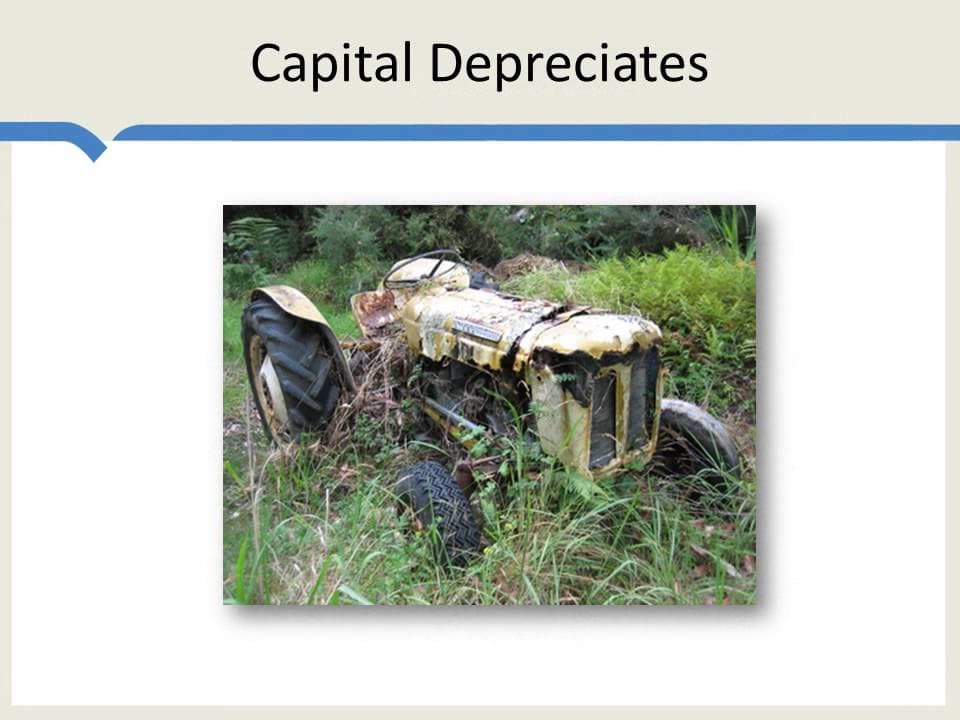
- The model suggests a steady state where capital investment equals depreciation, halting growth.
- Long-term growth requires factors beyond capital accumulation, such as technological innovation.
Install to Summarize YouTube Videos and Get Transcripts
Explore YouTube Video Summarizer or Get YouTube Transcript Extractor
Questions & Answers
Q: What is the Solow Model in economics?
The Solow Model is an economic theory that explains long-term economic growth based on capital accumulation, labor or population growth, and increases in productivity, often through technological advancements. It highlights the role of diminishing returns to capital and suggests that sustainable growth requires technological innovation beyond mere capital accumulation.
Q: How does the Solow Model explain economic growth?
The Solow Model explains economic growth by focusing on the accumulation of capital, labor, and productivity improvements. It posits that while initial capital investments can drive rapid growth, especially in countries with low capital stocks, long-term growth is limited by diminishing returns to capital. Sustainable growth requires technological progress and innovation.
Q: What are diminishing returns to capital in the Solow Model?
Diminishing returns to capital, a key concept in the Solow Model, refer to the phenomenon where each additional unit of capital investment results in progressively smaller increases in output. This occurs because as more capital is accumulated, the additional productivity gained from further investments decreases, eventually reaching a point where growth slows or stops without technological advancement.
Q: Why does the Solow Model predict rapid growth in countries with low capital stocks?
The Solow Model predicts rapid growth in countries with low capital stocks because initial capital investments in these countries yield high productivity gains. This is due to the high marginal returns on the first units of capital, which can significantly boost output. As capital accumulates, however, the returns diminish, slowing growth unless technological progress occurs.
Q: What is the steady state in the Solow Model?
The steady state in the Solow Model is a condition where capital investment equals depreciation, resulting in a constant capital stock. At this point, the economy stops growing because all new investments are used to replace depreciated capital rather than increasing the capital stock. Sustained growth beyond the steady state requires technological advancements to boost productivity.
Q: How does the Solow Model relate to China's economic growth?
China's rapid economic growth can be partly explained by the Solow Model, as the country initially had low capital stocks, leading to high returns on initial capital investments. Additionally, China's adoption of capitalist institutions and economic reforms improved incentives and productivity, facilitating rapid growth. However, as capital accumulates, growth is expected to slow unless technological innovations continue.
Q: Why is technological progress important in the Solow Model?
Technological progress is crucial in the Solow Model because it drives long-term economic growth beyond the limits imposed by diminishing returns to capital. While capital accumulation can boost growth temporarily, sustainable growth requires continuous improvements in productivity through technological advancements, which enhance the efficiency of both capital and labor.
Q: What insights does the Solow Model provide about post-war economic growth in Germany and Japan?
The Solow Model provides insights into post-war economic growth in Germany and Japan by explaining how the destruction of capital during World War II led to low initial capital stocks, resulting in high productivity of new investments. This enabled rapid economic recovery and growth, as both countries rebuilt their economies and capital stocks, benefiting from high marginal returns on initial investments.
Summary & Key Takeaways
-
The Solow Model is an economic framework explaining growth through capital, labor, and productivity. It emphasizes diminishing returns to capital, where additional investments yield decreasing output. The model predicts rapid growth in countries with low initial capital, like China, but highlights the need for technological progress for sustained long-term growth.
-
Robert Solow's model, which earned him a Nobel Prize, uses a production function involving physical and human capital, and technology. It predicts a steady state where capital investment equals depreciation, stopping growth, thus necessitating innovation for continued economic expansion.
-
The model provides insights into why some countries grow faster than others and highlights the importance of institutions and initial capital investments. It suggests that while capital accumulation is crucial, long-term growth depends on technological advancements and innovations.
Read in Other Languages (beta)
Share This Summary 📚
Summarize YouTube Videos and Get Video Transcripts with 1-Click
Try YouTube Summary with ChatGPT & Claude or YouTube Transcript Generator
Explore More Summaries from Marginal Revolution University 📚

Summarize YouTube Videos and Get Video Transcripts with 1-Click
Try YouTube Summary with ChatGPT & Claude or YouTube Transcript Generator