Zen Buddhism's Secret Tool
TL;DR
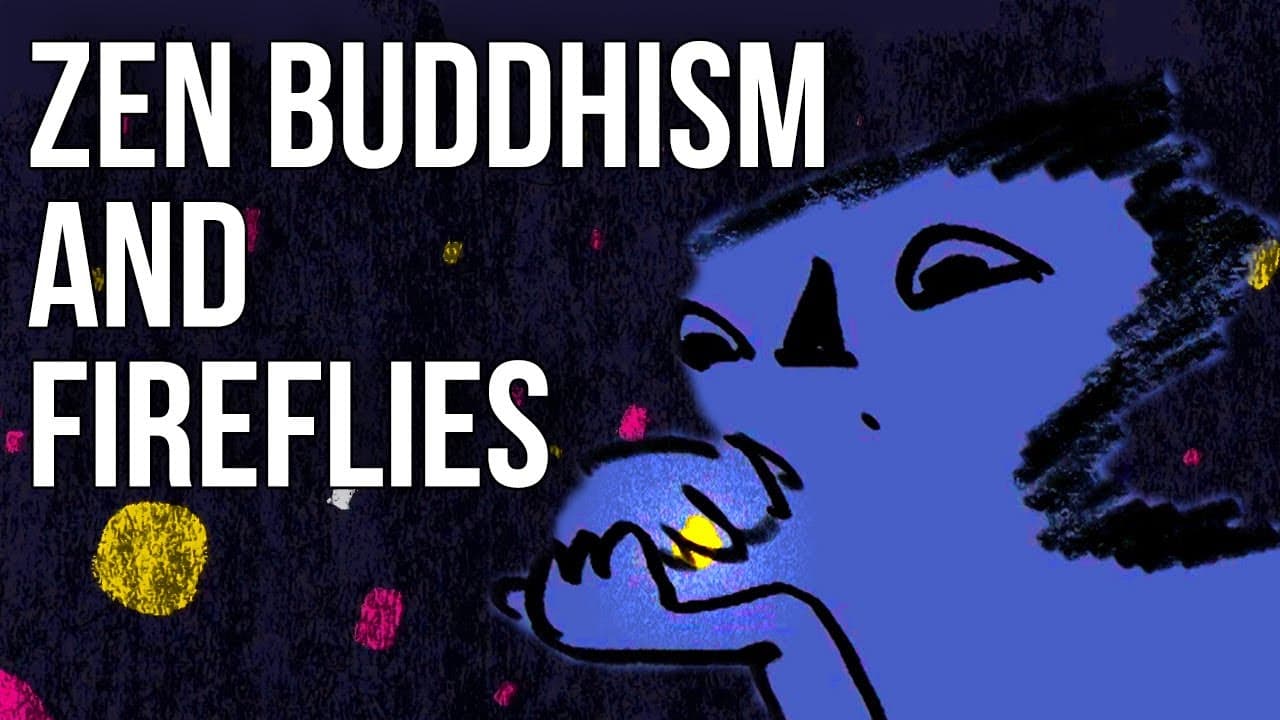
Fireflies symbolize the transience of life in Zen philosophy, reminding us of our fleeting existence.
Transcript
one of nature's odder creatures is the firefly a soft-bodied beetle that emits a warm yellow glow from its lower abdomen typically at twilight in order to attract mates or prey though relatively rare in europe and north america the firefly is a common sight in Japan where it is known as the Hotaru, Hotaru are at their most plentiful in Ju... Read More
Key Insights
- 💅 Fireflies are more common in Japan during summer, celebrated in cultural events, where their beauty inspires admiration and reflection.
- 🤬 Zen philosophy regards fireflies as symbols of transience, urging acceptance of life's fleeting nature for personal enlightenment.
- 🛟 Important poets leveraged the firefly's metaphor to challenge conventional perceptions of existence, emphasizing profound life lessons from ordinary subjects.
- 🛟 The illumination provided by fireflies serves as a poetic reminder of our own brief lives and the allure of natural beauty.
- 🌍 Buddhism often ties philosophical themes to elements of nature, reinforcing the connection between human experience and the natural world.
- 🫷 Matsuo Basho used fireflies to elevate themes of humility and mortality, pushing readers to appreciate small yet significant moments in life.
- 💦 Koyabashi Issa's work encapsulates the essence of fleeting time, capturing moments of beauty and stillness that invite deeper contemplation.
Install to Summarize YouTube Videos and Get Transcripts
Explore YouTube Video Summarizer or Get YouTube Transcript Extractor
Questions & Answers
Q: What cultural significance do fireflies hold in Japan?
In Japan, fireflies, or Hotaru, are more than just insects; they are a source of wonder and aesthetic enjoyment. Celebrated through festivals like Hotaru Matsuri, they symbolize beauty and the ephemeral nature of life, enchanting observers as they light up rivers and lakes in June and July.
Q: How does Zen Buddhism interpret the nature of transience?
Zen Buddhism perceives transience not as a tragic aspect of life but as a beautiful reality to be embraced. By acknowledging life's fleeting nature, individuals can cultivate a sense of peace and acceptance, leading to deeper harmonization with the world around them, reflected through metaphors like the firefly.
Q: Who are notable literary figures that wrote about fireflies in a philosophical context?
Notable figures like Matsuo Basho and Koyabashi Issa have drawn inspiration from fireflies in their poetry. Basho emphasized attentiveness to life’s finitude, while Issa captured moments of enlightenment through fireflies, illustrating the beauty and significance of transient life experiences.
Q: What lessons can be drawn from the behavior and symbolism of fireflies?
Fireflies teach us about the beauty and fragility of life. Their intermittent glow serves as a reminder to appreciate fleeting moments. Just as they illuminate dark environments, we too have the capacity to find and share light amidst life's uncertainties, embracing our existence even within its brevity.
Summary & Key Takeaways
-
Fireflies, known as Hotaru in Japan, illuminate the night during summer months and are celebrated in cultural festivals symbolizing beauty and ephemerality.
-
Zen Buddhism connects fireflies to the idea of life's brevity, encouraging acceptance of transience as a path to enlightenment and harmony with nature.
-
Poets like Matsuo Basho and Koyabashi Issa used fireflies in their work to express profound insights about existence, humility, and the appreciation of fleeting moments.
Read in Other Languages (beta)
Share This Summary 📚
Summarize YouTube Videos and Get Video Transcripts with 1-Click
Try YouTube Summary with ChatGPT & Claude or YouTube Transcript Generator