What Is the Future of Food Technology?
TL;DR
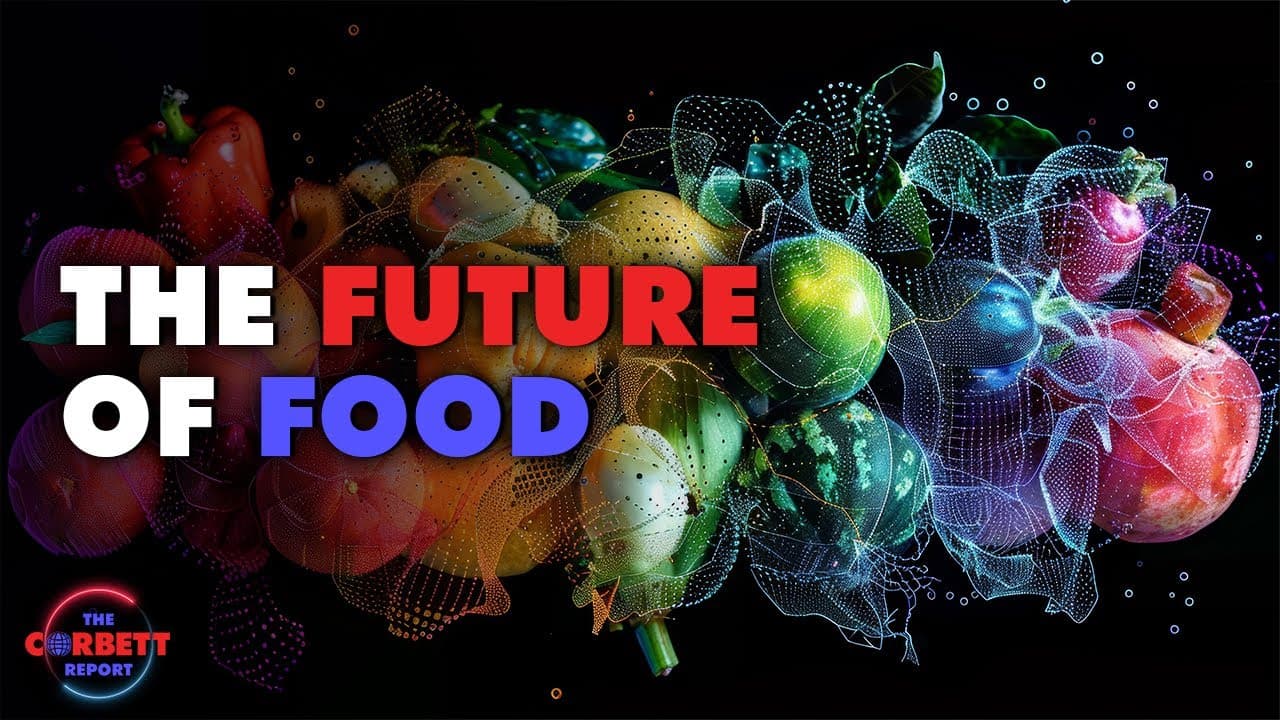
The future of food is set to be transformed by new technologies that could redefine our understanding of food itself. These changes, driven by corporate interests, involve lab-grown meats, genetically engineered organisms, and advanced biotechnology. The shift aims not at sustainable farming but at a centralized food system controlled by few corporations, potentially altering human diets and health.
Transcript
If it is true that you are what you eat, as the old adage has it, then what does that make us? As consumers of heavily processed, chemically treated, GMO-infested gunk, we in the modern, developed world have solved the problem of hunger that plagued our forebearers since time immemorial by handing our food sovereignty over to a handful of corporate... Read More
Key Insights
- Food is increasingly being used as a tool for control and manipulation by powerful entities.
- Modern industrial farming has led to environmental and health issues, including reliance on GMOs and chemicals.
- New food technologies include lab-grown meats and genetically engineered organisms, which may alter traditional diets.
- Governments and corporations are centralizing food supply control, potentially leading to engineered food shortages.
- Simulations and policies are being developed to manage future food crises, often favoring centralized solutions.
- Resistance against GMO foods and centralized food control is growing among the public worldwide.
- Philanthropic organizations like the Rockefeller and Gates Foundations are heavily involved in shaping food systems.
- Public awareness and grassroots movements are crucial in reclaiming food sovereignty from corporate control.
Install to Summarize YouTube Videos and Get Transcripts
Explore YouTube Video Summarizer or Get YouTube Transcript Extractor
Questions & Answers
Q: What are the new technologies impacting the future of food?
New technologies impacting the future of food include lab-grown meats, genetically engineered organisms, and advanced biotechnology. These technologies aim to create food substitutes and alter traditional diets, often driven by corporate interests. They promise efficiency and sustainability but raise concerns about health, control, and the natural food supply.
Q: How is food being used as a tool for control?
Food is being used as a tool for control by powerful entities through centralized supply systems and engineered shortages. Historical examples show food being weaponized, and modern policies continue this trend. Governments and corporations can manipulate food availability, leading to societal unrest and dependence on controlled food sources.
Q: Why is there resistance against GMO foods?
Resistance against GMO foods stems from health concerns, environmental impact, and corporate control over agriculture. Many people fear the long-term effects of consuming genetically modified organisms, which are often linked to chemical use and biodiversity loss. Public protests worldwide reflect a desire for natural and sustainable food practices.
Q: What role do philanthropic organizations play in shaping food systems?
Philanthropic organizations like the Rockefeller and Gates Foundations influence food systems through funding and policy development. They promote technologies and practices that align with their vision of centralized control and efficiency. Critics argue that these efforts prioritize profit and control over sustainable and equitable food access.
Q: How are food crises being simulated and managed?
Food crises are simulated through exercises by governments and organizations to predict and manage future shortages. These simulations often result in policies favoring centralized reserves and control, potentially leading to engineered shortages. Critics argue these strategies overlook sustainable solutions and increase dependency on corporate-controlled food systems.
Q: What is the public's response to the transformation of the food supply?
The public is increasingly resisting the transformation of the food supply, especially against GMO foods and centralized control. Protests and movements worldwide demand transparency, sustainability, and food sovereignty. People are advocating for local and organic farming practices to counteract corporate influence and ensure food security.
Q: What are the potential consequences of lab-grown meat and biotechnology in food?
Lab-grown meat and biotechnology in food could lead to significant changes in diets and health. While they promise to reduce environmental impact and animal slaughter, concerns exist about nutritional value, safety, and ethical implications. These technologies may also increase reliance on corporations controlling food production, affecting food sovereignty.
Q: How can individuals reclaim food sovereignty?
Individuals can reclaim food sovereignty by supporting local and organic farming, resisting GMO foods, and participating in grassroots movements. Educating oneself about food systems and advocating for policies that prioritize sustainable practices are crucial. Community involvement in agriculture and food production can help reduce dependency on corporate-controlled food systems.
Summary & Key Takeaways
-
The global food supply is under threat from centralized control and new technologies that may redefine what we consider food. Lab-grown meats and genetically engineered organisms are being developed, potentially altering human diets and health. This shift is driven by corporate interests rather than sustainable farming practices.
-
Governments and corporations are using food as a tool for control, with simulations and policies favoring centralized solutions to potential food crises. This has led to engineered food shortages and increased public resistance against GMO foods and centralized food control.
-
Philanthropic organizations like the Rockefeller and Gates Foundations play significant roles in shaping global food systems. Public awareness and grassroots movements are essential in reclaiming food sovereignty and counteracting the influence of these powerful entities.
Read in Other Languages (beta)
Share This Summary 📚
Summarize YouTube Videos and Get Video Transcripts with 1-Click
Try YouTube Summary with ChatGPT & Claude or YouTube Transcript Generator
Explore More Summaries from corbettreport 📚





Summarize YouTube Videos and Get Video Transcripts with 1-Click
Try YouTube Summary with ChatGPT & Claude or YouTube Transcript Generator