Mughal History, Gandhi's Hindu-Muslim Amity, Godhra Riots I What got cut & Why I Barkha Dutt
TL;DR
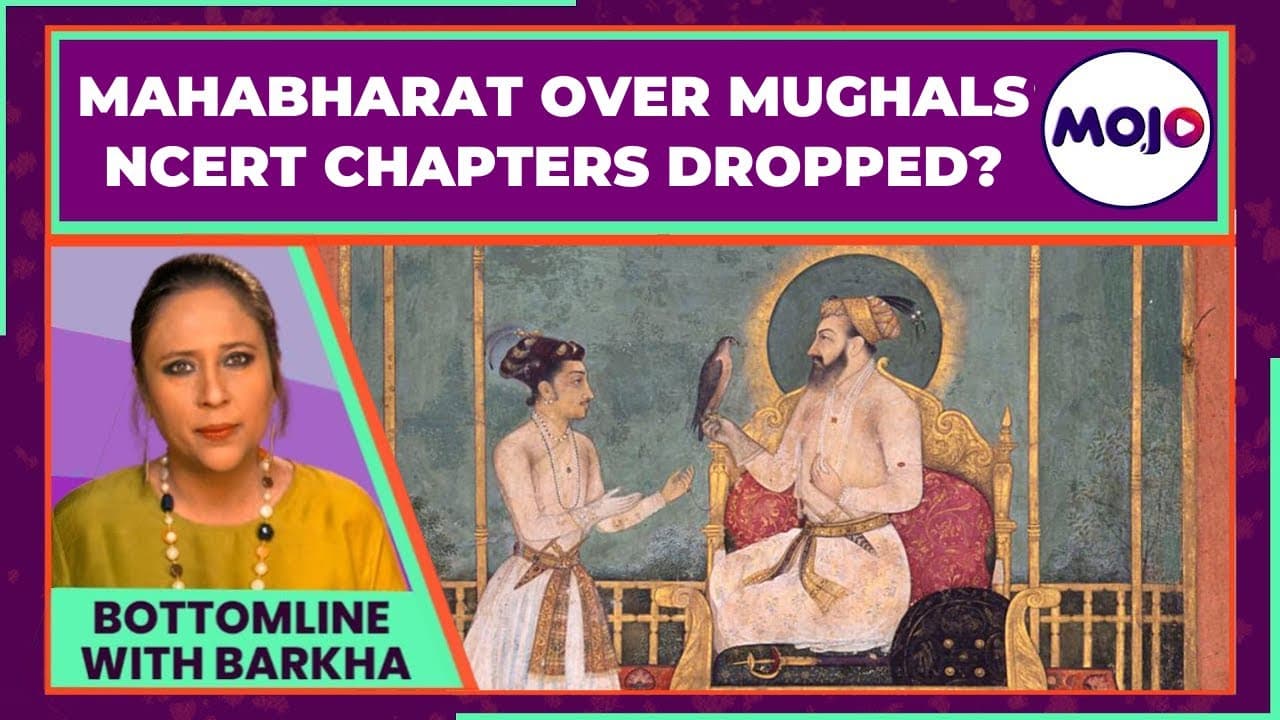
The controversy heats up as reports suggest that chapters on Mughal history, as well as references to Mahatma Gandhi's work for Hindu-Muslim unity, have been rationalized or removed from Indian textbooks, raising questions about bias and the rewriting of history.
Transcript
thank you as history becomes a political Battlefield the ncert has denied media reports that entire chapters on the Mughal Empire have been erased but there is a concession that the syllabus has been quote unquote rationalized and that the intent of this was to reduce the burden on students but the political debate carries on is there an attempt to... Read More
Key Insights
- 🔎 Media reports suggest that there is controversy surrounding the alleged removal or rationalization of chapters on the Mughal Empire and political science in Indian textbooks, sparking a larger political debate.
Install to Summarize YouTube Videos and Get Transcripts
Explore YouTube Video Summarizer or Get YouTube Transcript Extractor
Questions & Answers
Q: Why is there controversy surrounding the removal or rationalization of Mughal history in Indian textbooks?
The controversy arises due to concerns over bias and the selective removal of historical facts, as well as the potential impact on students' understanding of history.
Q: How does General Shah argue against the rationalization of Mughal history?
General Shah believes that the rationalization of Mughal history creates a gap and hinders students' comprehension of subsequent chapters. He argues that students should learn from all aspects of history, including the mistakes of others.
Q: What is Shantanu Gupta's defense of the rationalization?
Shantanu Gupta argues that the rationalization is merely an effort to reduce repetitive content and optimize the syllabus. He denies any bias or erasure of history and highlights that similar rationalization exercises have been conducted in the past.
Q: How does Professor Sharma respond to the controversy?
Professor Sharma acknowledges the presence of bias in popular history and argues that the removal or rationalization of Mughal history reflects a particular ideological narrative. She suggests that the changes undermine a comprehensive understanding of history and call for a more inclusive approach.
Summary & Key Takeaways
-
The NCERT has been accused of removing or rationalizing chapters on Mughal history and references to Mahatma Gandhi's work for Hindu-Muslim unity in Indian textbooks.
-
General Zamiruddin Shah argues against the rationalization, stating that it creates a gap in history and denies students the opportunity to understand the period and learn from its lessons.
-
Shantanu Gupta defends the rationalization, stating that it simply reduces repetitive content and denies any bias or erasure of history.
-
Professor Ruchika Sharma highlights the biased narrative and selective deletion of historical facts, suggesting that the changes reflect a particular ideological viewpoint.
Read in Other Languages (beta)
Share This Summary 📚
Summarize YouTube Videos and Get Video Transcripts with 1-Click
Try YouTube Summary with ChatGPT & Claude or YouTube Transcript Generator
Explore More Summaries from Mojo Story 📚

Summarize YouTube Videos and Get Video Transcripts with 1-Click
Try YouTube Summary with ChatGPT & Claude or YouTube Transcript Generator