The Fat Burning Expert: The REAL Reason You’re Not Losing Belly Fat (and How To Fix It Fast!)
TL;DR
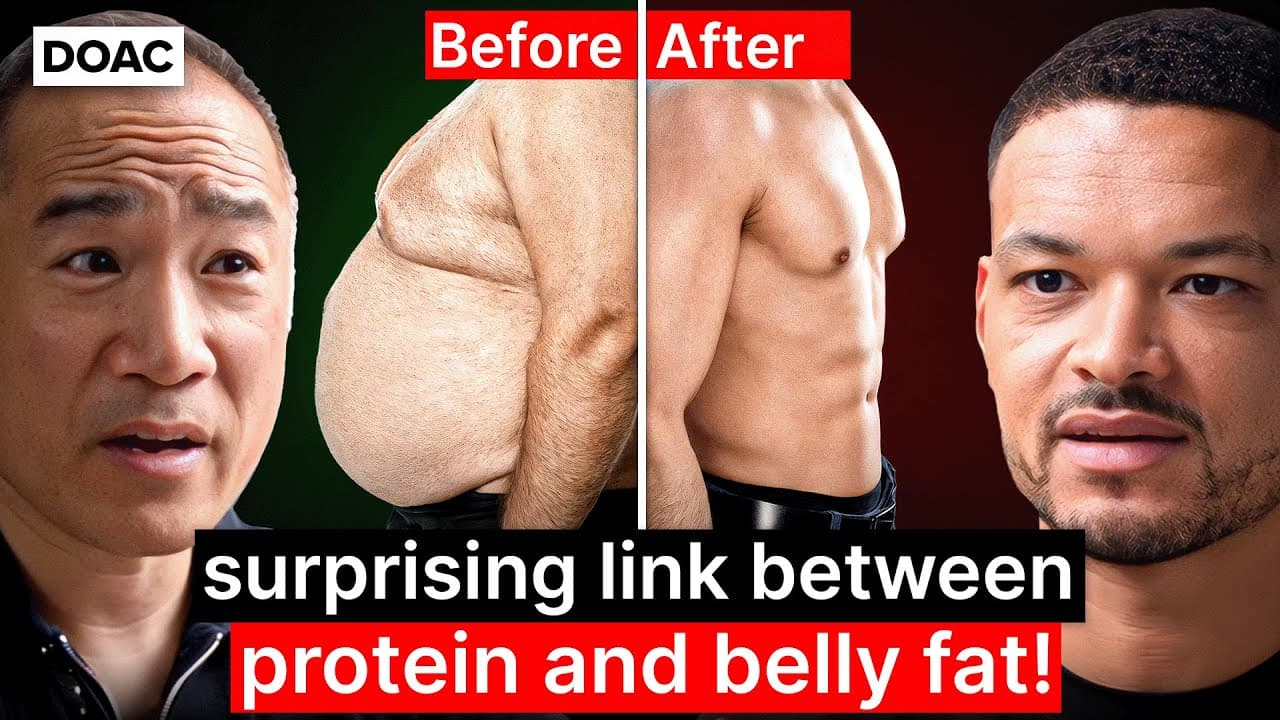
Alan Aragon debunks fitness myths and offers science-backed advice.
Transcript
Read and summarize the transcript of this video on Glasp Reader (beta).
Key Insights
- Alan Aragon emphasizes the importance of evidence-based approaches to nutrition and fitness, debunking common myths about protein consumption and meal frequency.
- Creatine is highlighted as a highly effective supplement for enhancing resistance training outcomes, with benefits extending to muscle growth, strength, and even cognitive functions.
- The ketogenic diet is effective for weight loss due to reduced intake of processed foods, but most people struggle to maintain it long-term due to its restrictive nature.
- Intermittent fasting can be a useful tool for controlling calorie intake, but it may lead to muscle loss if not managed properly, especially in already lean individuals.
- PCOS shares metabolic characteristics with type 2 diabetes, suggesting dietary strategies focusing on body fat reduction and carbohydrate management may be beneficial.
- Menopause presents unique challenges for weight management due to physiological and hormonal changes, but maintaining high protein intake and realistic progress expectations can help.
- Alan shares personal insights on overcoming alcohol addiction, emphasizing the importance of prioritizing personal goals and redirecting habits for long-term success.
- Artificial sweeteners, except saccharine, are generally safe, and added sugars should be limited to maintain a nutrient-dense diet.
Install to Summarize YouTube Videos and Get Transcripts
Explore YouTube Video Summarizer or Get YouTube Transcript Extractor
Questions & Answers
Q: What are the biggest myths about protein consumption?
Alan Aragon explains that the biggest myth about protein is the focus on timing and distribution rather than the total daily intake. He emphasizes that meeting the daily protein target is more important than worrying about specific meal timings, as long as the intake is comfortable and sustainable.
Q: How does creatine benefit resistance training?
Creatine is described as a highly effective supplement that enhances strength and muscle gains from resistance training. It increases intramuscular water content, supports muscle protein synthesis, and has cognitive benefits. Creatine is backed by extensive research showing significant improvements in lifting capacity and muscle growth.
Q: Why is the ketogenic diet challenging to maintain?
While effective for weight loss, the ketogenic diet is challenging for most people to maintain due to its restrictive nature. Research shows that individuals often increase their carbohydrate intake over time, deviating from the initial low-carb guidelines, which makes long-term adherence difficult.
Q: What are the benefits and drawbacks of intermittent fasting?
Intermittent fasting helps control calorie intake and can be effective for weight loss. However, it may lead to muscle loss if not managed properly, particularly in lean individuals. Fasting increases autophagy, but similar benefits can be achieved through exercise without the risk of muscle loss.
Q: How does menopause affect weight management?
Menopause presents challenges due to physiological and hormonal changes, leading to difficulties in adhering to fitness programs. Alan suggests maintaining high protein intake and setting realistic progress expectations to manage weight effectively during this transition.
Q: What dietary strategies are recommended for PCOS?
PCOS shares metabolic characteristics with type 2 diabetes, so dietary strategies focusing on reducing body fat and managing carbohydrate intake are recommended. Prioritizing total body fat reduction and possibly restricting carbohydrates can help improve insulin sensitivity and glycemic control.
Q: How did Alan Aragon overcome alcohol addiction?
Alan shares that he overcame alcohol addiction by reaching a point of realization where he needed to stop. He redirected his ritualistic tendencies towards training and nutrition. Visualization of negative consequences and prioritizing personal goals helped him maintain abstinence and focus on long-term success.
Q: Are artificial sweeteners safe to consume?
Alan states that most artificial sweeteners, such as sucralose, aspartame, and stevia, are safe and pose no significant health risks. Saccharine, however, has a poor track record for glucose control and weight gain. Overall, artificial sweeteners are considered safe in realistic consumption amounts.
Summary & Key Takeaways
-
Alan Aragon, a leading fitness nutrition expert, provides insights into effective strategies for fat loss and muscle gain, debunking common myths and emphasizing the importance of evidence-based approaches.
-
Key topics include the benefits of creatine, the challenges of maintaining a ketogenic diet, and the role of intermittent fasting in weight management, all backed by scientific research.
-
Alan also shares personal experiences with overcoming alcohol addiction, highlighting the importance of prioritizing personal goals and redirecting habits for long-term success.
Read in Other Languages (beta)
Share This Summary 📚
Summarize YouTube Videos and Get Video Transcripts with 1-Click
Try YouTube Summary with ChatGPT & Claude or YouTube Transcript Generator
Explore More Summaries from The Diary Of A CEO 📚






Summarize YouTube Videos and Get Video Transcripts with 1-Click
Try YouTube Summary with ChatGPT & Claude or YouTube Transcript Generator