Oil Problem? When You Shouldn't Use MOBIL1 0W-40!
TL;DR
Mobil 1 0W-40 may cause issues in DI engines.
Transcript
Read and summarize the transcript of this video on Glasp Reader (beta).
Key Insights
- Mobil 1 0W-40 is a fully synthetic PAO Ester blend, indicated by its high oxidation value of 35.7, compared to non-synthetic oils which range from 8 to 12.
- The viscosity of Mobil 1 0W-40 is 12.9 centistokes at 100°C, barely qualifying as a 40-grade oil, and often shears down to a 30-grade in used samples.
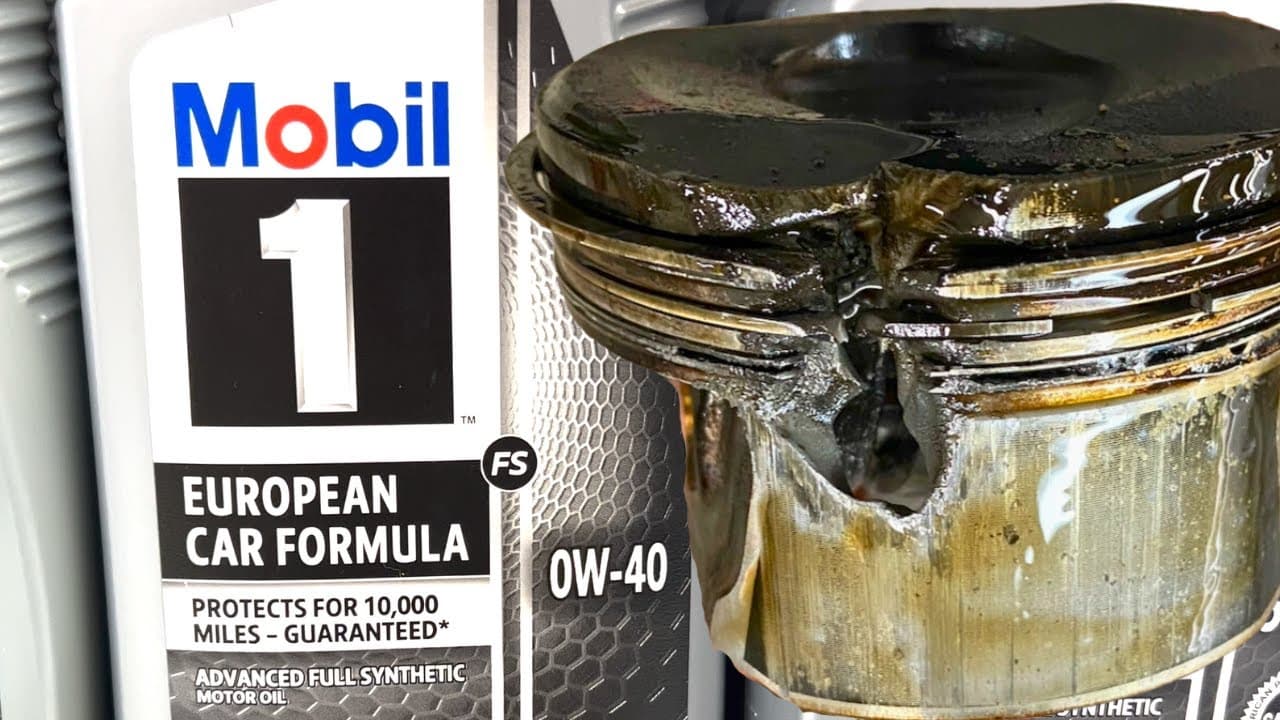
- This oil contains a high level of calcium detergent at 3294 ppm, which is not recommended for direct injection engines due to the risk of low speed pre-ignition.
- Low speed pre-ignition is a detonation phenomenon in direct injection engines, and a high level of calcium detergent increases its likelihood.
- Current API SP oils have reduced calcium detergent levels to prevent low speed pre-ignition, unlike the older Mobil 1 0W-40 formula.
- Mobil 1 0W-40 includes a friction modifier package with 89 ppm of molybdenum and 294 ppm of boron, contributing to good fuel economy.
- Despite its good fuel economy, the oil's high calcium level makes it unsuitable for direct injection engines, highlighting the importance of choosing the right oil for engine type.
- Understanding oil chemistry, such as detergent and friction modifier levels, is crucial for optimizing engine performance and avoiding potential issues like low speed pre-ignition.
Install to Summarize YouTube Videos and Get Transcripts
Explore YouTube Video Summarizer or Get YouTube Transcript Extractor
Questions & Answers
Q: What is the significance of Mobil 1 0W-40's oxidation value?
The oxidation value of Mobil 1 0W-40 is 35.7, which is significantly higher than non-synthetic oils that typically range from 8 to 12. This high value indicates that the oil is a fully synthetic PAO Ester blend, highlighting its advanced formulation and synthetic nature compared to conventional oils.
Q: Why is Mobil 1 0W-40 not recommended for direct injection engines?
Mobil 1 0W-40 has a high calcium detergent level of 3294 ppm, which can increase the risk of low speed pre-ignition in direct injection engines. This phenomenon is a type of detonation that can damage engines, and oils with lower calcium levels are recommended to prevent this issue.
Q: How does Mobil 1 0W-40's viscosity affect its performance?
Mobil 1 0W-40 has a viscosity of 12.9 centistokes at 100°C, making it barely qualify as a 40-grade oil. In used samples, it often shears down to a 30-grade, which can affect its protective qualities. This characteristic is crucial for maintaining engine performance and longevity.
Q: What role do friction modifiers play in Mobil 1 0W-40?
Friction modifiers in Mobil 1 0W-40, such as 89 ppm of molybdenum and 294 ppm of boron, enhance the oil's ability to reduce friction within the engine. This contributes to improved fuel economy and overall engine efficiency, making it a favorable choice for drivers seeking performance benefits.
Q: What is low speed pre-ignition and why is it a concern?
Low speed pre-ignition is a detonation phenomenon that occurs in direct injection engines, often triggered by high calcium detergent levels in oil. It can cause significant engine damage and reduce performance. Oils with lower calcium levels are designed to mitigate this risk, ensuring engine safety.
Q: How does Mobil 1 0W-40 compare to other European spec oils?
Mobil 1 0W-40 offers a robust friction modifier package, including molybdenum and boron, which enhances fuel economy compared to other European spec oils. However, its high calcium detergent level makes it less suitable for direct injection engines, where other oils with lower calcium content may be preferable.
Q: Why is oil chemistry important for engine performance?
Oil chemistry, including detergent and friction modifier levels, directly impacts engine performance and longevity. The right balance of additives can prevent issues like low speed pre-ignition and improve fuel economy. Understanding these factors helps in selecting the most suitable oil for specific engine types.
Q: What are the benefits of PAO Ester blends in engine oils?
PAO Ester blends, like those in Mobil 1 0W-40, offer superior synthetic properties, including higher oxidation stability and better performance under extreme temperatures. These blends provide enhanced lubrication and protection compared to conventional oils, making them ideal for high-performance and demanding engine applications.
Summary & Key Takeaways
-
Mobil 1 0W-40 is a fully synthetic PAO Ester blend with a high oxidation value, indicating its synthetic nature. The oil's viscosity is at the threshold for a 40-grade oil, often shearing to a 30-grade in use. Its high calcium detergent level poses risks for direct injection engines.
-
The high calcium detergent level in Mobil 1 0W-40 can lead to low speed pre-ignition in direct injection engines. Current API SP oils have reduced calcium levels to prevent this issue. The oil's friction modifier package contributes to good fuel economy, but caution is advised for certain engine types.
-
Mobil 1 0W-40's chemistry, including its PAO Ester blend and friction modifiers, offers benefits like fuel economy. However, its high calcium detergent level makes it unsuitable for direct injection engines due to the risk of low speed pre-ignition, emphasizing the need for appropriate oil selection.
Read in Other Languages (beta)
Share This Summary 📚
Summarize YouTube Videos and Get Video Transcripts with 1-Click
Try YouTube Summary with ChatGPT & Claude or YouTube Transcript Generator
Explore More Summaries from The Motor Oil Geek 📚

![Top 10 Motor Oil Questions Answered [by a Certified Lubrication Specialist] thumbnail](/_next/image?url=https%3A%2F%2Fi.ytimg.com%2Fvi%2Fmr07y1H3U7c%2Fhqdefault.jpg&w=750&q=75)
Summarize YouTube Videos and Get Video Transcripts with 1-Click
Try YouTube Summary with ChatGPT & Claude or YouTube Transcript Generator