Why Are Electricity Prices Rising Like Housing Costs?
TL;DR
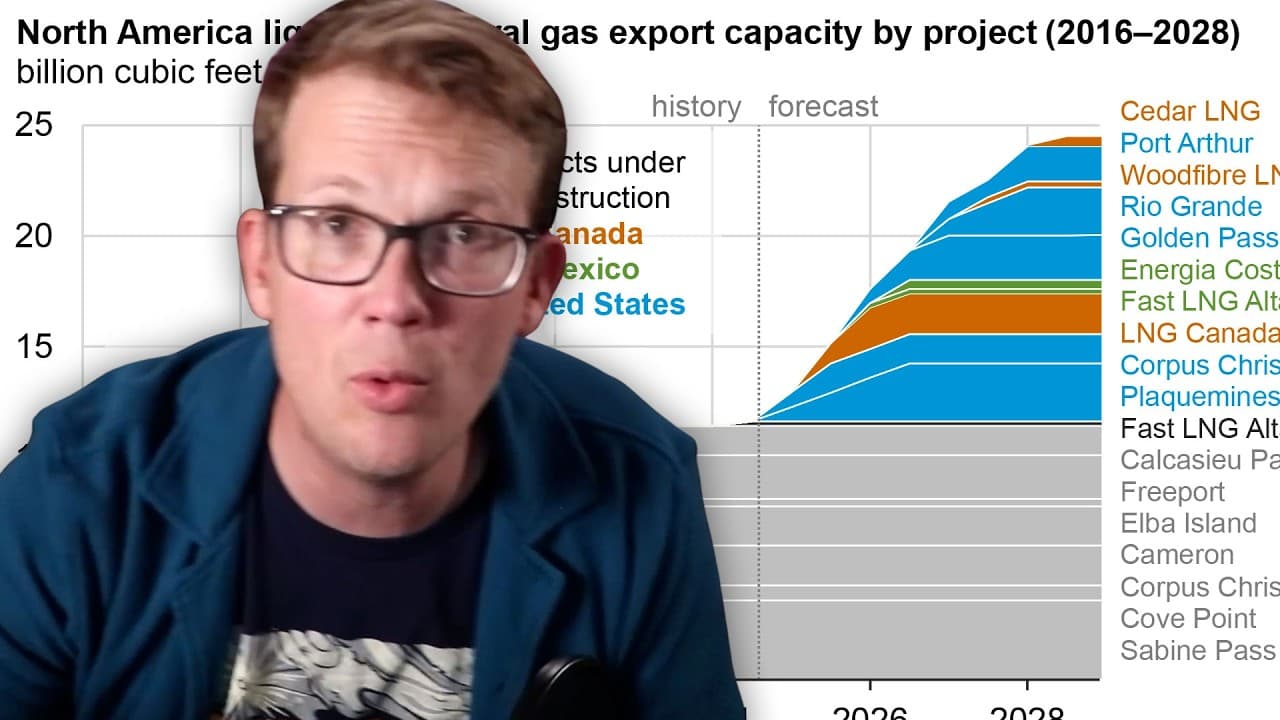
Electricity prices are expected to rise due to increased demand from data centers and electric vehicles, while supply is constrained by policy changes. The shift to renewable energy is hindered by reduced subsidies and export incentives for natural gas, leading to a potential supply-demand imbalance and higher prices.
Transcript
The cost of housing is a very big problem. It is probably one of the biggest problems that we face as a country. And at the root of it, I know that there's nuance here, but at the root of it is a problem of increased demand all over the place, but increased demand specifically in in certain areas and constrained supply. So people want houses, they ... Read More
Key Insights
- Electricity prices are set to rise due to increased demand from new sectors like data centers and electric vehicles.
- Supply is constrained by policy changes that reduce subsidies for renewables and increase natural gas exports.
- Data centers are a major new electricity sector, consuming significant power for AI and other technologies.
- The transition from gas and coal to electricity in homes and vehicles increases electricity demand.
- Natural gas exports are expected to double, reducing domestic supply and increasing prices.
- Renewable energy project growth is slowed by policy changes, reducing expected wind and solar installations.
- Political dynamics influence energy policy, with fossil fuel interests benefiting from current legislative actions.
- A potential AI bubble could impact electricity demand if it bursts, affecting price projections.
Install to Summarize YouTube Videos and Get Transcripts
Explore YouTube Video Summarizer or Get YouTube Transcript Extractor
Questions & Answers
Q: How will data centers impact electricity demand?
Data centers are expected to significantly increase electricity demand as they require large amounts of power to operate. These centers are being built to support artificial intelligence and other technologies, turning electricity into intellectual property. This added demand is a major factor in the projected rise in electricity prices.
Q: Why are electricity prices expected to rise?
Electricity prices are expected to rise due to increased demand from sectors like data centers and electric vehicles, coupled with constrained supply. Policy changes have reduced subsidies for renewables and increased natural gas exports, limiting supply growth and potentially leading to higher prices.
Q: What role does natural gas play in electricity pricing?
Natural gas plays a crucial role in electricity pricing as it is a major energy source. Recent policy changes have made it easier to export natural gas, reducing domestic supply and increasing prices. This impacts electricity prices since natural gas is a key fuel for power generation.
Q: How do policy changes affect renewable energy growth?
Policy changes have reduced subsidies for renewable energy projects and increased requirements for using domestically produced materials. This has slowed the growth of wind and solar installations, limiting the potential for renewable energy to meet rising electricity demand and contributing to higher prices.
Q: What is the political influence on electricity supply and pricing?
Political influence affects electricity supply and pricing through policy decisions that favor fossil fuel interests. These decisions include reducing renewable energy subsidies and facilitating natural gas exports, benefiting energy companies and potentially leading to higher electricity prices for consumers.
Q: How might an AI bubble affect electricity demand?
An AI bubble could affect electricity demand by reducing the need for data centers if it bursts. This would decrease electricity consumption and potentially stabilize prices. However, the current investment in AI-related infrastructure suggests continued demand, barring a significant market downturn.
Q: What are the challenges in meeting increased electricity demand?
Challenges in meeting increased electricity demand include constrained supply growth due to policy changes, limited renewable energy expansion, and increased natural gas exports. These factors create a supply-demand imbalance, potentially leading to higher electricity prices as demand outpaces supply.
Q: Who benefits from rising electricity prices?
Energy companies and fossil fuel interests benefit from rising electricity prices as they can charge higher prices for a scarce resource. Political dynamics also play a role, with policies favoring fossil fuels, potentially benefiting those aligned with these interests through increased profits and political support.
Summary & Key Takeaways
-
Electricity demand is rising due to data centers and electric vehicles, but supply isn't keeping pace. Policy changes have reduced renewable energy subsidies and increased natural gas exports, leading to higher prices. Political influences favor fossil fuels, complicating the transition to renewables.
-
Data centers and electric vehicles are driving electricity demand, while supply constraints from policy changes are hindering renewable energy growth. Natural gas exports are increasing, raising domestic prices. Political dynamics favor fossil fuel interests, impacting energy policy and price trends.
-
The rise in electricity demand from data centers and electric vehicles is outpacing supply growth. Policy changes have reduced renewable energy subsidies and increased natural gas exports, leading to potential price hikes. Political influences favor fossil fuel interests, complicating the transition to renewables.
Read in Other Languages (beta)
Share This Summary 📚
Summarize YouTube Videos and Get Video Transcripts with 1-Click
Try YouTube Summary with ChatGPT & Claude or YouTube Transcript Generator
Explore More Summaries from Hank Green 📚






Summarize YouTube Videos and Get Video Transcripts with 1-Click
Try YouTube Summary with ChatGPT & Claude or YouTube Transcript Generator