NASA Previews Cassini End of Mission Activities
TL;DR
NASA's Cassini spacecraft, after 13 years of exploration, is set to make its final plunge into Saturn's atmosphere, collecting data until the very end, marking the end of an era in planetary exploration.
Transcript
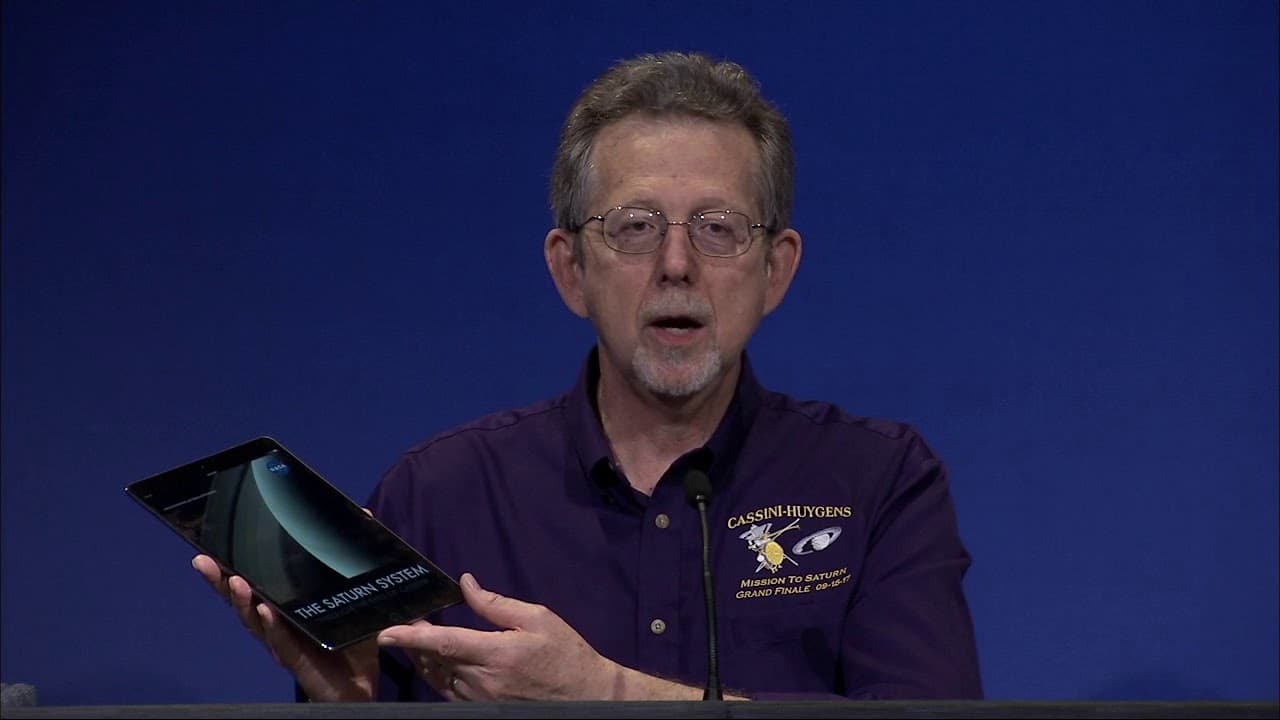
hello and welcome to nasa's jet propulsion laboratory in pasadena california i'm preston dykes well we are at the end of an era in planetary exploration in less than two days nasa's cassini spacecraft will make a fateful final plunge into the atmosphere of saturn collecting data until the very last moment as it ends its 13-year tour of the saturn s... Read More
Key Insights
- 😋 Cassini's mission has provided valuable data on the atmosphere, rings, and moons of Saturn, changing scientists' understanding of these celestial bodies.
- 🌊 Enceladus and Titan, in particular, are potential candidates for future exploration due to their unique characteristics, including geysers of water and a liquid methane sea.
- 🎟️ Cassini's gravity assists around Titan have revolutionized the technique for future missions, such as the Clipper mission to Jupiter's moon, Europa.
Install to Summarize YouTube Videos and Get Transcripts
Explore YouTube Video Summarizer or Get YouTube Transcript Extractor
Questions & Answers
Q: What was one of the most surprising discoveries made by the Cassini spacecraft?
One of the most surprising discoveries was the presence of geysers of water on Enceladus, a small moon outside the rings of Saturn, which has changed scientists' understanding of potential habitability in the outer solar system.
Q: What is the significance of the Cassini spacecraft's final plunge into Saturn's atmosphere?
The spacecraft's final plunge is necessary to protect the potential habitability of moons such as Enceladus and Titan for future exploration. Protecting these bodies is a priority for planetary protection and the desire to return to the Saturn system.
Q: How has Cassini's exploration of Saturn's moons paved the way for future missions?
Cassini's exploration of Titan, in particular, has revolutionized the understanding of gravity assists, allowing for future missions, such as the Clipper mission to Jupiter, to use similar techniques to obtain global views of celestial bodies. This information is essential for future missions to explore Jupiter's moon, Europa.
Q: What is the significance of Ring Rain, and how is Cassini studying it?
Ring Rain refers to material from Saturn's rings, including water vapor and ice, falling into the planet's atmosphere and affecting its composition. Cassini is studying this phenomenon to better understand the dynamics between the rings and the atmosphere and to observe any modifications in the atmosphere and ionosphere caused by this process.
Summary & Key Takeaways
-
Cassini's mission to Saturn has provided remarkable insights into the planet's atmosphere, rings, and moons.
-
The spacecraft has captured over 450,000 images, revealing the beauty and complexity of Saturn and its system.
-
Enceladus, a small moon of Saturn, with its geysers of water spewing into the atmosphere, has changed scientists' understanding of the habitability of moons in the outer part of the solar system.
Read in Other Languages (beta)
Share This Summary 📚
Summarize YouTube Videos and Get Video Transcripts with 1-Click
Try YouTube Summary with ChatGPT & Claude or YouTube Transcript Generator
Explore More Summaries from NASA 📚

Summarize YouTube Videos and Get Video Transcripts with 1-Click
Try YouTube Summary with ChatGPT & Claude or YouTube Transcript Generator