Feminism, Privilege and Identity Politics
TL;DR
The panel discusses the intersectionality of feminism and privilege, highlighting the importance of recognizing and addressing the various forms of privilege within the movement.
Transcript
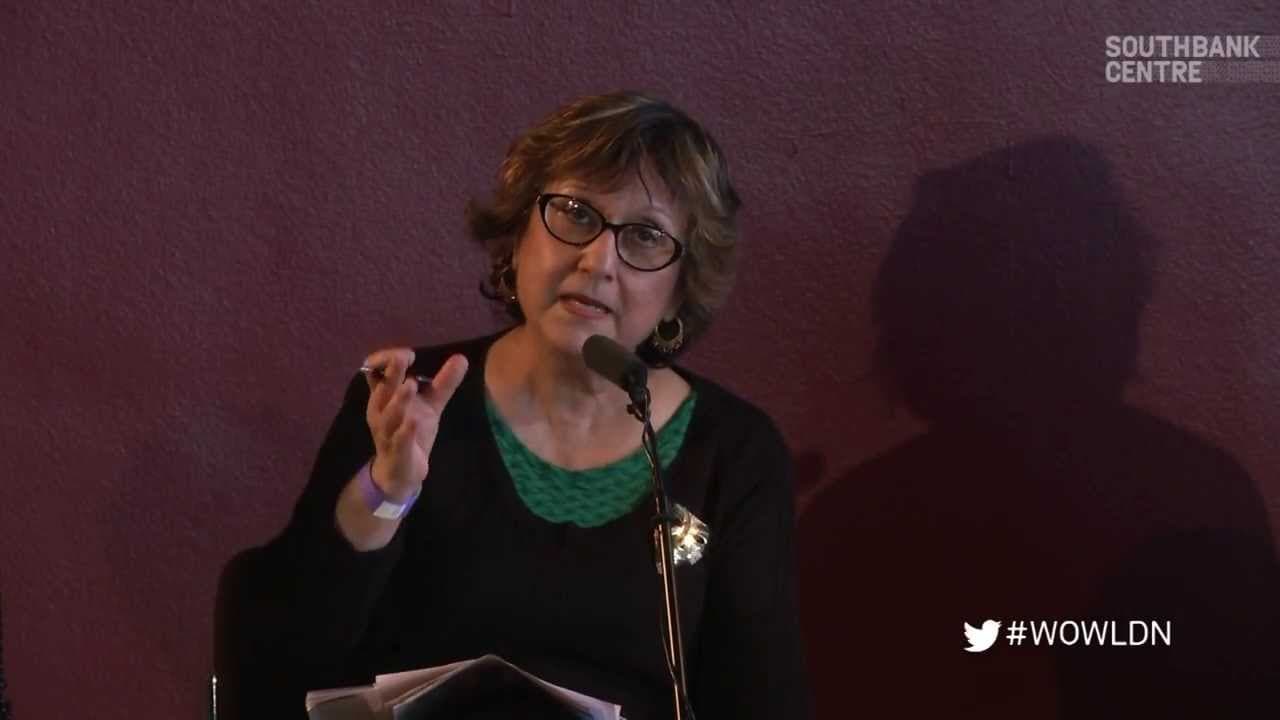
and thank you all for coming in such numbers um if your phone is on could you please turn it off it's only an hour we'll all live um my name is yasman alivi brown I'm a journalist and a weekly columnist on the independent and we're going to talk about this subject feminism and privilege I just want to make some opening remarks one of which is just ... Read More
Key Insights
- ❓ Intersectionality is essential in understanding the complexities of feminism.
- 🧔♀️ Working-class women have historically been excluded from mainstream feminism.
- ❓ The focus on privilege can hinder meaningful dialogue and inclusivity.
- 💁 Feminism needs to address different forms of privilege and prioritize inclusivity and intersectionality.
- ✊ Power structures and systemic discrimination impact the experiences of marginalized groups within the feminist movement.
- 🧔♀️ Disability intersects with various aspects of identity and poses unique challenges for disabled women.
- ❓ Inclusion of diverse voices and perspectives is crucial for a more effective and inclusive feminist movement.
Install to Summarize YouTube Videos and Get Transcripts
Explore YouTube Video Summarizer or Get YouTube Transcript Extractor
Questions & Answers
Q: How has the feminist movement evolved over the years?
The panelists discuss the changes in feminist discourse, with a focus on the inclusion of different perspectives and the need to address intersectionality.
Q: How does privilege impact feminist movements?
Privilege can create divisions within feminist communities and prevent meaningful dialogue. Recognizing and addressing different forms of privilege is crucial for creating inclusive and effective feminist movements.
Q: How does class intersect with feminism?
The panelists highlight the lack of representation and relevance of feminism to working-class women. They emphasize the need for feminism to address the issues faced by all women, regardless of their socio-economic background.
Q: How can feminists promote inclusivity and intersectionality?
The speakers suggest listening to diverse experiences, challenging privilege, and focusing on building solidarity across different communities. It is important to refrain from privilege checking and instead engage in meaningful dialogue.
Summary & Key Takeaways
-
The panelists discuss their experiences with feminism and how it differs across different cultures and communities.
-
They emphasize the need for inclusivity and intersectionality within feminist movements, addressing issues of race, class, disability, and more.
-
The speakers highlight the dangers of privilege checking and the importance of focusing on experiences to foster meaningful dialogue and inclusivity.
Read in Other Languages (beta)
Share This Summary 📚
Summarize YouTube Videos and Get Video Transcripts with 1-Click
Try YouTube Summary with ChatGPT & Claude or YouTube Transcript Generator
Explore More Summaries from Southbank Centre 📚



Summarize YouTube Videos and Get Video Transcripts with 1-Click
Try YouTube Summary with ChatGPT & Claude or YouTube Transcript Generator