Atheist CORNERED Into Admitting THIS (Wild Ending!)

TL;DR
A debate on morality highlights atheism's potential dangers.
Transcript
Read and summarize the transcript of this video on Glasp Reader (beta).
Key Insights
- The debate centers on whether morality can exist without God, with the atheist arguing for secular humanism.
- The Christian perspective posits that objective morality suggests the existence of God, challenging atheistic views.
- The discussion highlights the potential dangers of a worldview that denies intrinsic human value.
- The atheist admits that without intrinsic value, human worth is based on societal contribution, raising ethical concerns.
- The conversation raises questions about the philosophical implications of atheism on morality and human rights.
- The Christian argues that belief in God provides a foundation for intrinsic human dignity and moral values.
- The atheist's argument suggests that morality is based on personal preferences, which can lead to moral relativism.
- The debate underscores the importance of understanding the philosophical underpinnings of morality and their societal impact.
Install to Summarize YouTube Videos and Get Transcripts
Explore YouTube Video Summarizer or Get YouTube Transcript Extractor
Questions & Answers
Q: What is the main topic of the debate between Matt Dillahunty and Glen Scrivener?
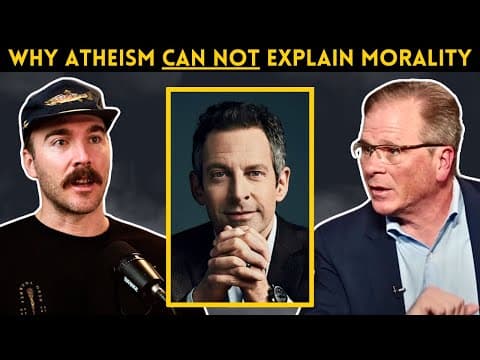
The main topic of the debate between Matt Dillahunty and Glen Scrivener is whether morality can exist without belief in God. Dillahunty argues for a secular humanist perspective, while Scrivener posits that objective moral values suggest the existence of God and provide a foundation for intrinsic human dignity.
Q: What is the Christian perspective on morality presented in the debate?
The Christian perspective, as presented by Glen Scrivener, argues that objective moral values point to the existence of God. Scrivener suggests that belief in God provides a foundation for intrinsic human dignity and moral values, challenging the atheist view that morality is based solely on personal preferences and societal contributions.
Q: How does the atheist view morality in the debate?
In the debate, the atheist, represented by Matt Dillahunty, views morality as a construct that can exist independently of God. He argues for a secular humanist perspective, suggesting that moral values are based on personal preferences and societal contributions, rather than intrinsic human value or divine authority.
Q: What ethical concerns are raised by the atheist's argument?
The atheist's argument raises ethical concerns about the implications of a worldview that denies intrinsic human value. By suggesting that human worth is based on societal contribution, it opens the possibility for moral relativism, where moral values are subjective and can lead to justifications for actions like discrimination or even atrocities if deemed beneficial by society.
Q: What does the debate reveal about the philosophical implications of atheism?
The debate reveals that the philosophical implications of atheism can lead to a worldview where moral values are subjective and based on personal preferences. This can result in moral relativism and ethical concerns, as it lacks a foundation for intrinsic human dignity, potentially allowing for justifications of harmful actions if deemed beneficial by individuals or society.
Q: How does the Christian argue for the existence of objective moral values?
The Christian, Glen Scrivener, argues for the existence of objective moral values by suggesting that they point to the existence of God. He contends that belief in God provides a foundation for intrinsic human dignity and moral values, which are not merely societal constructs or personal preferences, but reflect a divine order and purpose.
Q: What potential dangers does the debate highlight regarding atheism?
The debate highlights potential dangers of atheism, such as the risk of moral relativism and the devaluation of human life. Without belief in intrinsic human value, morality may become subjective, leading to justifications for harmful actions if they are seen as beneficial, as there is no higher moral authority to appeal to.
Q: What is the significance of the debate for understanding morality and human rights?
The debate is significant for understanding the philosophical underpinnings of morality and human rights. It underscores the importance of examining whether moral values require a belief in God or can exist independently, as this has profound implications for how we view human dignity, ethical behavior, and societal norms.
Summary & Key Takeaways
-
In a heated debate, an atheist and a Christian discuss the basis of morality and whether it requires a belief in God. The atheist argues for secular morality, while the Christian posits that objective moral values point to God's existence.
-
The conversation reveals the potential dangers of a worldview that denies intrinsic human value, as the atheist admits that human worth is based on societal contribution. This raises ethical concerns about the implications of such a belief system.
-
The Christian argues that belief in God provides a foundation for intrinsic human dignity and moral values, challenging the atheist's view that morality is based on personal preferences. The debate highlights the philosophical implications of atheism on morality and human rights.
Read in Other Languages (beta)
Share This Summary 📚
Summarize YouTube Videos and Get Video Transcripts with 1-Click
Try YouTube Summary with ChatGPT & Claude or YouTube Transcript Generator
Explore More Summaries from Daily Dose Of Wisdom 📚



Summarize YouTube Videos and Get Video Transcripts with 1-Click
Try YouTube Summary with ChatGPT & Claude or YouTube Transcript Generator