Speakers for the Dead
TL;DR
A documentary uncovers the buried history of Black settlers in Canada.
Transcript
I'm not too sure if it's a good thing to start talking about possibilities I've heard stories I don't feel comfortable going to PR at all I'm I'm very nervous out there and I I just don't feel right out there even though we have ancestors out there there were 200 over 200 signatures on a petit... Read More
Key Insights
- The documentary explores the forgotten history of Black settlers in rural Ontario, revealing the systemic erasure of their contributions and existence.
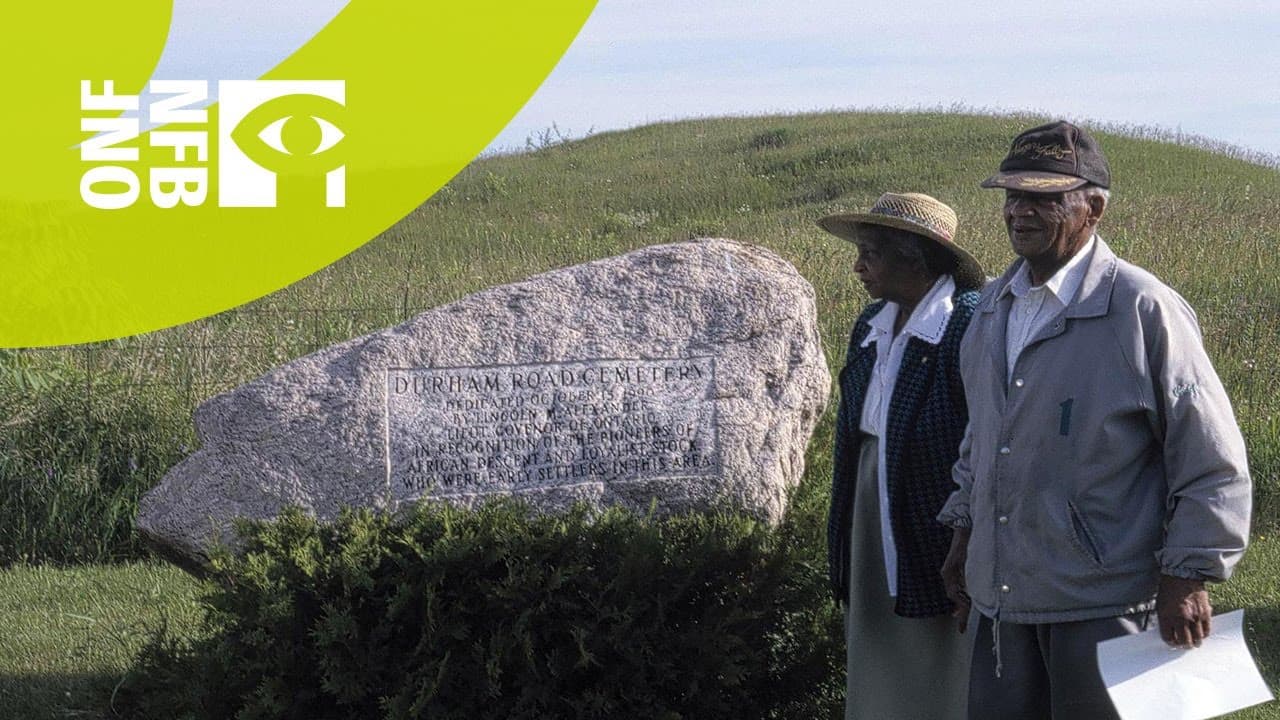
- A Black cemetery was desecrated in the 1930s to make way for agriculture, symbolizing the broader societal neglect of Black history in Canada.
- Descendants of both Black and White settlers collaborated in the 1980s to restore the cemetery, highlighting efforts to reclaim and acknowledge lost histories.
- The film underscores the deep racial tensions that existed and continue to persist, as communities grapple with their historical legacies.
- Interviews with local residents reveal a culture of silence and denial about the presence and contributions of Black Canadians in the area.
- The documentary includes re-enactments that poignantly illustrate the disrespect and disregard for Black lives and histories, such as using a headstone as a home plate.
- There is a call to action for communities to confront and rectify historical injustices, emphasizing the importance of preserving and honoring all aspects of history.
- The film raises questions about the accuracy and completeness of Canadian history, urging viewers to consider whose stories have been told and whose have been silenced.
Install to Summarize YouTube Videos and Get Transcripts
Explore YouTube Video Summarizer or Get YouTube Transcript Extractor
Questions & Answers
Q: What is the main focus of the documentary?
The documentary focuses on uncovering the hidden history of Black settlers in Canada, particularly in rural Ontario. It highlights the desecration of a Black cemetery in the 1930s and the efforts made in the 1980s to restore it, revealing deep-seated racial tensions and forgotten histories.
Q: How does the documentary illustrate racial tensions?
The documentary illustrates racial tensions through interviews with local residents, re-enactments, and the story of the Black cemetery's desecration. It reveals a culture of silence and denial about Black Canadians' presence and contributions, emphasizing the ongoing struggle to acknowledge and rectify historical injustices.
Q: What role do descendants play in the documentary?
Descendants of both Black and White settlers play a crucial role in the documentary by collaborating to restore the desecrated cemetery. Their efforts symbolize a collective attempt to reclaim and honor lost histories, highlighting the importance of acknowledging and preserving the contributions of Black Canadians.
Q: What message does the documentary convey about Canadian history?
The documentary conveys that Canadian history has often overlooked or erased the contributions and existence of Black Canadians. It challenges viewers to reconsider whose stories have been told and whose have been silenced, urging a more inclusive and accurate representation of history.
Q: How does the documentary use re-enactments?
The documentary uses re-enactments to poignantly illustrate the disrespect and disregard for Black lives and histories. For example, it depicts a baseball game where a broken headstone is used as a home plate, symbolizing the broader societal neglect of Black history in Canada.
Q: What are the key themes of the documentary?
Key themes of the documentary include the systemic erasure of Black history, racial tensions, the importance of historical preservation, and the need for communities to confront and rectify historical injustices. It emphasizes acknowledging and honoring the contributions of Black Canadians.
Q: What impact did the cemetery restoration efforts have?
The cemetery restoration efforts had a significant impact by bringing attention to the forgotten history of Black settlers and sparking discussions about racial tensions and historical injustices. It highlighted the importance of acknowledging and preserving all aspects of history for future generations.
Q: Why is the documentary titled 'Speakers for the Dead'?
The documentary is titled 'Speakers for the Dead' because it aims to give a voice to the nameless and faceless Black settlers whose histories were buried and forgotten. It seeks to honor their contributions and ensure their stories are included in the broader narrative of Canadian history.
Summary & Key Takeaways
-
The documentary 'Speakers for the Dead' delves into the hidden history of Black settlers in Canada, focusing on a Black cemetery desecrated in the 1930s. The film highlights efforts in the 1980s by descendants to restore the cemetery, uncovering deep racial tensions and forgotten histories.
-
Through interviews, re-enactments, and scenes of the cemetery excavation, the film reveals the systemic erasure of Black history in Canada. It emphasizes the importance of acknowledging and preserving the contributions and existence of Black Canadians, challenging viewers to reconsider Canadian history.
-
Directed by Jennifer Holness and David Sutherland, the documentary serves as a poignant reminder of the racial injustices that persist and the need for communities to confront and rectify historical wrongs. It calls for a more inclusive and accurate representation of history.
Read in Other Languages (beta)
Share This Summary 📚
Summarize YouTube Videos and Get Video Transcripts with 1-Click
Try YouTube Summary with ChatGPT & Claude or YouTube Transcript Generator
Explore More Summaries from NFB 📚

Summarize YouTube Videos and Get Video Transcripts with 1-Click
Try YouTube Summary with ChatGPT & Claude or YouTube Transcript Generator