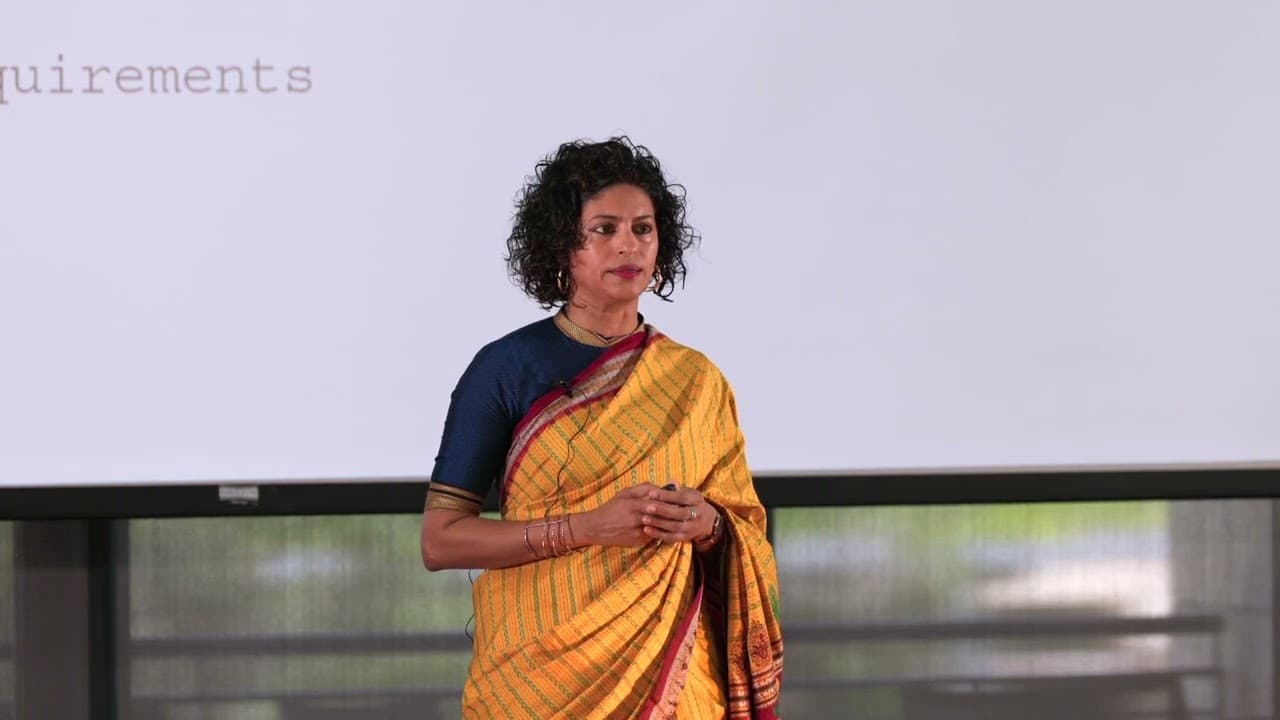
A Pedagogy of Reparations | Usha Iyer | TEDxStanford
TL;DR
This content discusses the urgent need to decolonize education and embrace a pedagogy of reparations that challenges existing structures of power and privilege in academia.
Transcript
Transcriber: Sarah Fitarony Reviewer: Mujtaba bakhet I speak today from occupied land. Stanford is an uninvited occupier of the traditional and unseated lands of the movie colony. As we think together about changing tides today, I want us to consider what it might take to commit to solidarity with Indigenous and other marginalized peoples who have ... Read More
Key Insights
- ✊ Education must move beyond mere knowledge acquisition and address the systemic inequities perpetuated by the colonial matrix of power.
- ❓ Curricula and teaching methods should be decolonized, critique hegemonic narratives and amplify marginalized voices.
- 🎓 Reparations in education require constant self-education, recognizing one's positionality, and advocating for the hiring of BIPOC faculty.
Install to Summarize YouTube Videos and Get Transcripts
Explore YouTube Video Summarizer or Get YouTube Transcript Extractor
Questions & Answers
Q: What is the main issue highlighted in the content?
The main issue is the urgent need to decolonize education and address the epistemic violence that renders marginalized histories and cultures invisible in curricula.
Q: What does a pedagogy of reparations entail?
A pedagogy of reparations involves critiquing hegemonic colonial and ethnocentric epistemologies, recognizing one's positionality, and resisting minor curricular reforms that perpetuate the status quo.
Q: How can education be transformed through a pedagogy of reparations?
Education can be transformed by diversifying syllabi, altering teaching methods, familiarizing ourselves with scholarship from marginalized communities, and challenging the geopolitical histories and blindspots in our disciplines.
Q: What are some day-to-day classroom practices of a reparative pedagogy?
Some practices include decentering dominant modes of reading, assigning self-reflexive texts, and creating a participatory and multi-vocal learning environment.
Summary & Key Takeaways
-
The content emphasizes the importance of solidarity with marginalized communities and calls for the dismantling of white supremacy and colonialism in education.
-
It highlights the connection between the murder of George Floyd and student protests demanding a more diverse and inclusive curriculum.
-
The content argues for a pedagogy of reparations that goes beyond tokenistic reforms and seeks to fundamentally transform educational systems.
Read in Other Languages (beta)
Share This Summary 📚
Summarize YouTube Videos and Get Video Transcripts with 1-Click
Try YouTube Summary with ChatGPT & Claude or YouTube Transcript Generator
Explore More Summaries from TEDx Talks 📚


![The future of Employment Everything] is Social & Digital | Syed Aiyaz Uddin | TEDxVIFT thumbnail](/_next/image?url=https%3A%2F%2Fi.ytimg.com%2Fvi%2F9Ta_I24CB-M%2Fhqdefault.jpg&w=750&q=75)
Summarize YouTube Videos and Get Video Transcripts with 1-Click
Try YouTube Summary with ChatGPT & Claude or YouTube Transcript Generator