Who are you?

TL;DR
The video discusses the historical context of European leadership, the rise and fall of different countries, and the current absence of a natural leader in Europe.
Transcript
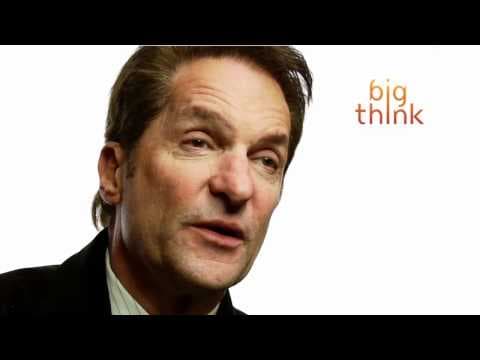
my name is Philip KLA I am chairman and CEO of Euro News for French men of my age uh I'm born in 49 after the second World War uh the first um environment I lived in was uh coming out from my parents experience the fact that we we were in the in the aftermath of the second world war and the uh when I was born the the living in France was still a li... Read More
Key Insights
- 🌍 The post-World War II period brought challenges and difficulties for Europe, but with the help of the Marshal plan, a rapid recovery was achieved.
- 🇪🇺 The 1960s were significant for Europe, witnessing the establishment of the European Union and a positive economic environment.
- 🌍 France enjoyed a period of optimism during the 60s and 70s, considering themselves leaders in Europe.
- 👶 The fall of the Berlin Wall in 1989 brought about a new European dynamic, with Germany's reunification and subsequent economic dominance.
- 🥺 Germany's cautious approach due to its history makes it less inclined to take on a leading role in European politics.
- 🌍 France, the UK, Italy, and Spain have the opportunity to compete for leadership in Europe.
- 🧘 Economic decline in France and the socialization of the economy contributed to a slow decline in the country's position.
Install to Summarize YouTube Videos and Get Transcripts
Explore YouTube Video Summarizer or Get YouTube Transcript Extractor
Questions & Answers
Q: How did the aftermath of World War II impact Europe's recovery?
The post-war period was initially challenging, but thanks to the Marshal plan, Europe experienced rapid recovery and regained its pre-war wealth. It took around 15 to 20 years for Europe to fully recover.
Q: How did the 1960s shape the European Union?
The 1960s were crucial in the establishment of the European Union. The Rome treaty was signed in 1957, making it the beginning of the EU. Initially limited to economic cooperation, it created a favorable environment for the development of European countries.
Q: How did the division of Germany affect European leadership?
With Germany divided and France leading the way, the French considered themselves leaders in Europe during the 60s and 70s. However, the reunification of Germany in 1989 led to a shift in the dynamics of European leadership.
Q: Is Germany the current leader in European politics?
While Germany has become a leader in the European economy due to its size and industrial capabilities, its political leadership is debatable. The Germans, with their cautious approach influenced by their history, do not show ambition in leading Europe. Other major countries like France, the UK, Italy, and Spain are also contenders for leadership.
Summary & Key Takeaways
-
The speaker discusses the post-World War II era and the challenges faced by Europe in the aftermath.
-
The 1960s marked Europe's recovery, with the establishment of the European Union and the development of a positive economic environment.
-
France enjoyed a period of optimism during the 60s and 70s, but economic decline and the fall of the Berlin Wall shifted the dynamics in Europe.
Read in Other Languages (beta)
Share This Summary 📚
Summarize YouTube Videos and Get Video Transcripts with 1-Click
Try YouTube Summary with ChatGPT & Claude or YouTube Transcript Generator
Explore More Summaries from Big Think 📚



Summarize YouTube Videos and Get Video Transcripts with 1-Click
Try YouTube Summary with ChatGPT & Claude or YouTube Transcript Generator