How Do Urban Myths Shape Our Cities?
TL;DR
Misconceptions about rural and urban living often obscure critical socio-economic realities, leading to the romanticisation of country life and the misconception of suburban contributions to urban centres. The video explores how the design of these environments shapes individual experiences and societal dynamics while addressing the pressing issues of gentrification and community disenfranchisement.
Transcript
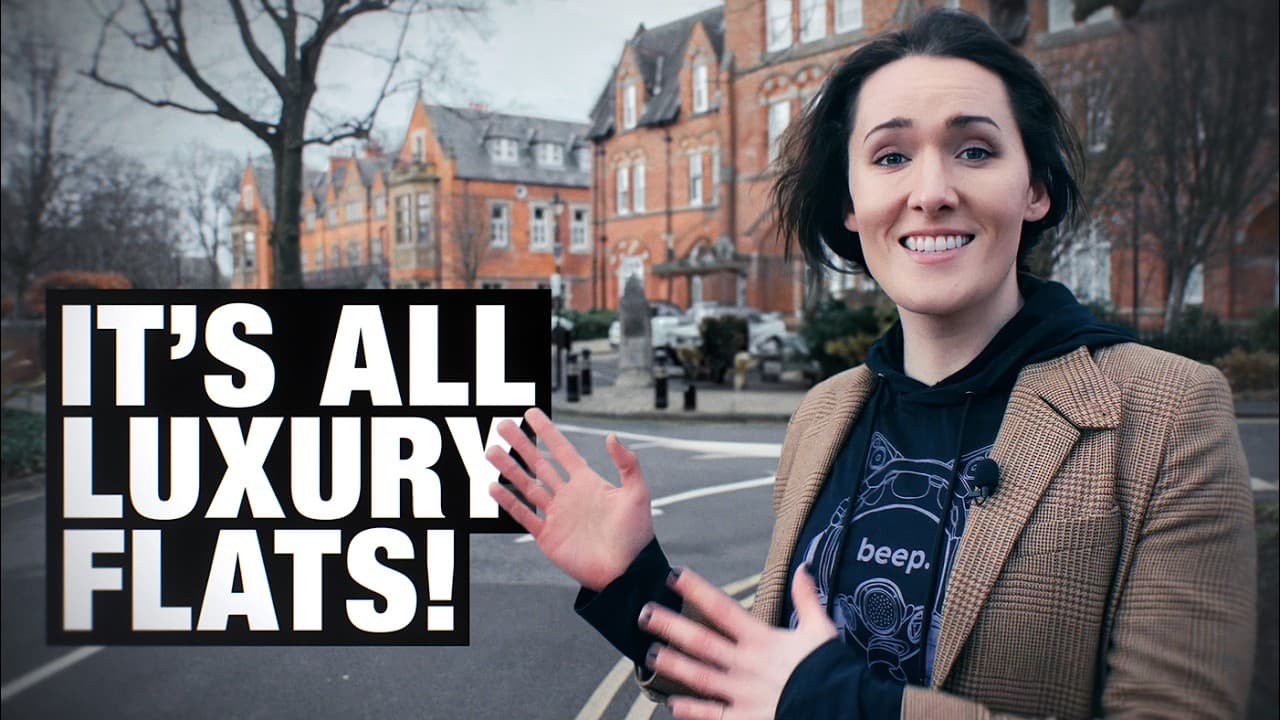
this is the building where I was born it used to be a hospital but now it's luxury Flats apartments in there go for about £600,000 ironic that I can't afford to live in the room where my life began this is Newcastle a city in the north of England with a population of about 900,000 if you include all the bers according to data from the UN 55% of the... Read More
Key Insights
- 😀 The glorification of rural life often overlooks the environmental and economic realities faced by these communities, including pollution and corporate exploitation.
- 💨 Urban environments are designed in ways that influence social dynamics and individual perceptions, promoting specific behaviors and interactions based on accessibility and resources.
- 👾 Suburban areas, while idealized for their space and perceived independence, often create financial liabilities due to infrastructure costs that are unsustainable long-term.
- 🥺 Gentrification serves as a mechanism that reshapes urban landscapes at the expense of original community identities, leading to socio-economic and racial disenfranchisement.
- 👳 Current debates around urban planning concepts like 15-minute cities highlight the tension between enhancing urban life and risking further marginalization of existing residents through gentrification.
- 👳 Public investment in community resources is essential for addressing the systemic issues that arise from flawed urban and suburban planning, promoting inclusivity.
- 👳 The intersection of race, class, and urban development creates complex social landscapes that require nuanced approaches to policy-making and community engagement.
Install to Summarize YouTube Videos and Get Transcripts
Explore YouTube Video Summarizer or Get YouTube Transcript Extractor
Questions & Answers
Q: How do urban environments influence individual subjectivities?
Urban environments shape the subjectivities of their inhabitants through infrastructure, accessibility, and social interaction. They foster specific ways of thinking, behaving, and perceiving the world, often highlighting socio-economic disparities among residents. For example, living in a city with diverse cultural influences may encourage openness and adaptability, while heavily gentrified urban spaces might promote exclusivity and social stratification.
Q: What are some misconceptions about rural living addressed in the video?
The video dispels several myths about rural living, such as the perception that countryside areas are cleaner or less impacted by corporate interests. It highlights issues like pollution from agribusiness and how corporate farming explores migrant labor, thus complicating the romanticized notion of rural life as intrinsically better or simpler than city living.
Q: Why are suburbs often considered financially insolvent?
Suburbs are called financially insolvent due to the infrastructure costs that exceed tax revenues generated by low-density developments. These areas typically require extensive resources for maintenance—like roads and utilities—while generating insufficient tax income to cover these expenses, creating a long-term financial burden on municipalities.
Q: How does gentrification manifest issues of racial and economic inequality?
Gentrification processes often displace long-term residents as property values rise, favoring economically affluent newcomers. This transformation can erase the cultural history and identity of neighborhoods, rendering the original inhabitants—often marginalized communities—unable to afford to live where they once thrived, thus exacerbating racial and economic inequalities.
Q: What role does the concept of "15-minute cities" play in modern urban planning?
The idea of 15-minute cities advocates for urban designs where essential services are within a 15-minute walk or bike ride, promoting accessibility and reducing car dependency. However, it has been criticized for potentially facilitating gentrification, as the development often prioritizes wealthier residents at the expense of existing marginalized communities.
Q: How does the content critique current urban development practices?
The critique centers on the idea that current urban development practices cater to corporate interests rather than community needs. Proposals for regeneration often ignore the voices or needs of existing residents, leading to further displacement and reinforcing socio-economic barriers rather than fostering inclusive communities.
Summary & Key Takeaways
-
The speaker reflects on their upbringing in a suburb, unpacking the myths surrounding rural living, including ideas of authenticity, health, and independence that often mask deeper socio-economic issues.
-
The narrative transitions to analyzing suburban living, highlighting how car dependency has financially burdened municipalities while revealing the hidden costs of infrastructure and the misconceptions about suburban contributions to urban centers.
-
The discussion culminates in exploring gentrification's mechanisms in urban settings like Forest Gate, revealing the complex socio-political dynamics of urban development, racial violence, and the commodification of culture.
Read in Other Languages (beta)
Share This Summary 📚
Summarize YouTube Videos and Get Video Transcripts with 1-Click
Try YouTube Summary with ChatGPT & Claude or YouTube Transcript Generator
Explore More Summaries from Philosophy Tube 📚



Summarize YouTube Videos and Get Video Transcripts with 1-Click
Try YouTube Summary with ChatGPT & Claude or YouTube Transcript Generator