The Leaders We Need | Michael Maccoby | Talks at Google
TL;DR
The leaders organizations need can unite smart, talented, ambitious people around common objectives while adapting to knowledge work, diverse personalities, and collaboration across boundaries. Michael Maccoby argues that industrial-era bureaucracy and one-size-fits-all ideas about followers no longer fit the knowledge world. Read on to understand how changing work, families, and social character reshape effective leadership.
Transcript
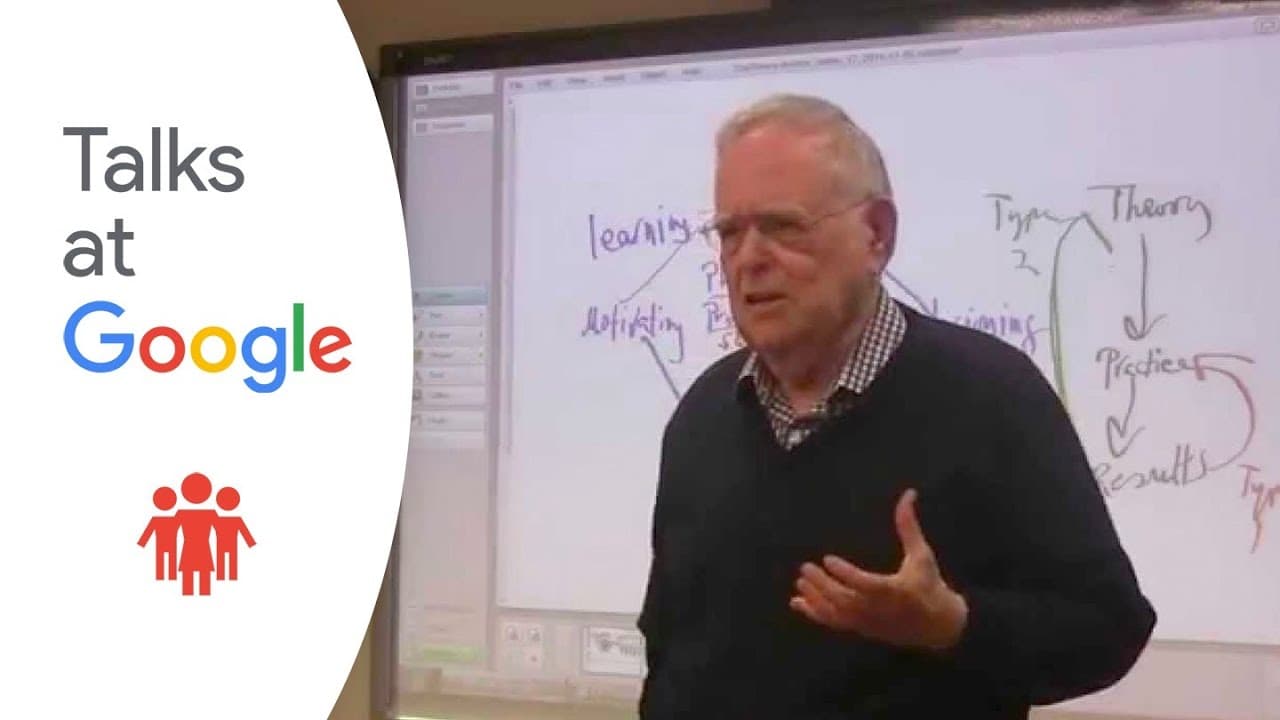
I think you you all demonstrate remarkably good judgment in allocating your time uh for uh your decision to come here today uh I personally believe one of the greatest challenges that we face at Google is management and Leadership I think we don't uh we we don't suffer for too few incredibly smart talented ambitious successful people but finding wa... Read More
Key Insights
- 😀 Management and leadership challenges are a significant obstacle faced by organizations today, as the ability to bring together talented individuals to work effectively towards common objectives is crucial.
- 💱 Traditional notions of leadership do not align with the changing demographics and dynamics of the modern workforce, as employees have different expectations and values.
- 🪛 Effective leadership in the modern workforce requires understanding and embracing diverse personalities and social characters, as well as developing skills in communication, collaboration, and purpose-driven leadership.
- 😤 Leaders can improve their skills by continuously learning, understanding different personality types, and embracing diversity among their team members.
Install to Summarize YouTube Videos and Get Transcripts
Explore YouTube Video Summarizer or Get YouTube Transcript Extractor
Questions & Answers
Q: What kind of leaders do organizations need?
Organizations need leaders who can bring smart, talented, ambitious people together to achieve common objectives. They must also respond to different kinds of followers and support collaboration across boundaries in the knowledge world.
Q: Why did Michael Maccoby write The Leaders We Need and What Makes Us Follow?
Maccoby believed existing leadership books treated followers as though they were all alike and would respond to the same methods. His experience showed that leaders must instead understand differences among people and social characters.
Q: Why is leadership a major challenge at Google?
Google does not lack smart, talented, ambitious, and successful people. Its challenge is finding ways for those people to work together effectively toward common objectives while the organization grows quickly.
Q: Why do industrial-era leadership models no longer fit knowledge work?
Maccoby says the bureaucratic framework of the industrial world does not match the reality of the knowledge world. Knowledge creation, global economic relationships, and collaboration across boundaries require a different approach.
Q: How has knowledge work changed leadership?
The shift toward knowledge work changed both how wealth is created and how people must collaborate. Leaders can no longer assume that methods designed for industrial bureaucracies will work in organizations centered on knowledge creation.
Q: How do different followers affect leadership?
Maccoby rejects the idea that there is only one kind of follower who will respond predictably to a standard leadership formula. Effective leadership requires understanding different personalities, expectations, and social characters.
Q: How have family structures influenced workplace expectations?
Maccoby contrasts an earlier era dominated by male-headed households with a present in which two-career households and families headed by women are common. He argues that these changes shape people differently, so workplace relationships no longer naturally follow older father-son patterns.
Q: What can organizations learn from Michael Maccoby’s leadership research?
Organizations should connect leadership to the realities of their workforce rather than copy inherited management models. Maccoby’s studies of high-tech and major companies led him to emphasize purpose, communication, collaboration, and responsiveness to different kinds of people.
Summary & Key Takeaways
-
Management and leadership challenges are one of the greatest obstacles in organizations today, as it requires bringing together highly talented individuals to collaborate and achieve common goals.
-
The traditional notions of leadership do not align with the changing workforce demographics and dynamics, as the rise of knowledge work and the shift in societal norms have led to different expectations and values among employees.
-
The key to effective leadership lies in understanding and embracing different personalities and social characters, as well as developing skills in communication, collaboration, and purpose-driven leadership.
Read in Other Languages (beta)
Share This Summary 📚
Summarize YouTube Videos and Get Video Transcripts with 1-Click
Try YouTube Summary with ChatGPT & Claude or YouTube Transcript Generator
Explore More Summaries from Talks at Google 📚
Summarize YouTube Videos and Get Video Transcripts with 1-Click
Try YouTube Summary with ChatGPT & Claude or YouTube Transcript Generator